


The Importance of Wall Lights and Wall Sconces
Lighting is one of the most important elements in interior design, as it defines both the functionality and the aesthetic appeal of a space. Wall lights and wall sconces, unlike ceiling lights, are installed mostly at human eye level and play a key role in creating a pleasant atmosphere, balanced illumination, and decorative impact.
1. Enhancing Beauty and Decorative Appeal
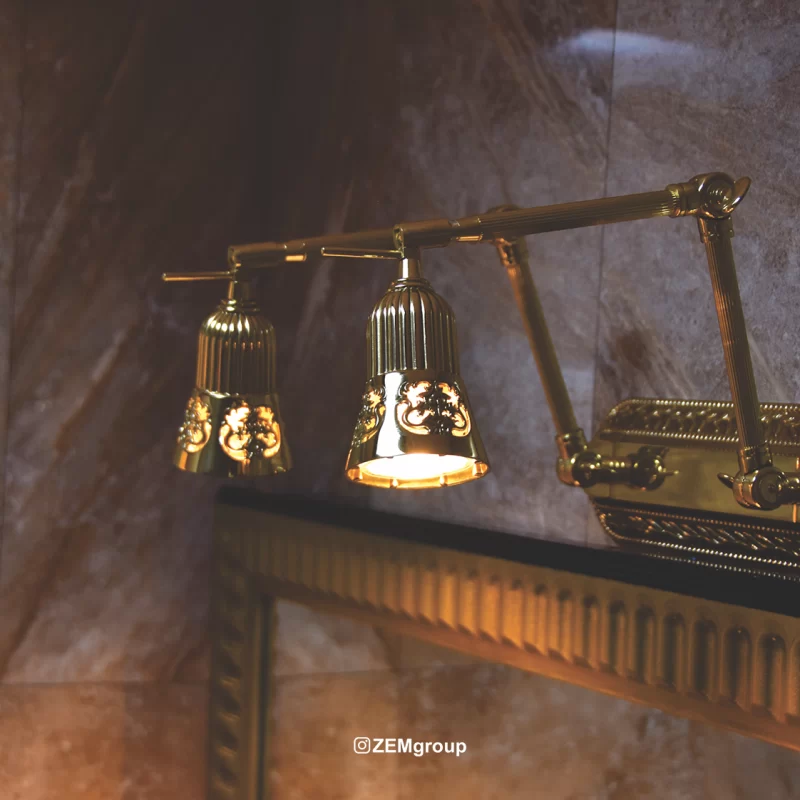
Wall lights can act as a focal point in any room. With a variety of designs and styles, from classic to modern, they allow for unique visual representation and highlight decorative details. Strategic use of wall lights, especially in living rooms or lounges, creates visual harmony and increases the attractiveness of the environment.
2. Functional and Appropriate Lighting
One of the key advantages of wall lights is their ability to distribute light evenly. Installing them at the correct height ensures that:
-
Light reflects off walls and ceilings to create a soft, ambient effect
-
Unwanted shadows are minimized
-
Direct glare into the eyes is avoided
For example, a wall light next to a bed should provide sufficient light for reading without causing glare or unpleasant shadows.
3. Safety and Ease of Use
Incorrect installation height can cause safety issues:
-
Too low: risk of bumping heads or hands against the light
-
Too high: light may not illuminate the intended area effectively
Wall lights in high-traffic areas such as hallways or staircases should also be installed so they do not obstruct movement or pose a collision risk.
4. Creating a Sense of Space and Depth
Wall lights help enhance the perception of depth and volume in a room. Soft, diffused light from walls illuminates the walls and ceiling, making the space appear larger and more open. This is particularly important in smaller rooms or spaces.
Factors Determining the Standard Height for Wall Lights and Wall Sconces
The installation height of wall lights and wall sconces directly affects the light’s efficiency, the room’s beauty, and user comfort. There is no single universal height; the proper height depends on the type of light, the room’s function, ceiling height, and nearby furniture.
1. Type of Light
-
Decorative lights: Mainly for aesthetics and ambient lighting. They should be installed at eye level or slightly above (approximately 1.6 to 1.8 meters) to showcase the wall and decorative details.
-
Functional lights: Such as bedside lights, study lamps, or hallway lighting. These should provide direct, adequate light on the target surface. Recommended height: 1.4 to 1.6 meters from the floor.
2. Type of Room
-
Living room/lounge: For ambient and decorative lighting, install at 1.5 to 1.7 meters to create soft light and attractive shadows.
-
Hallways and staircases: Install at 1.4 to 1.6 meters to ensure a well-lit path and reduce collision risks.
-
Bedroom: Soft and adjustable light is important; wall lights near the bed or on bedroom walls should be 1.4 to 1.6 meters high.
3. Ceiling Height
-
Low ceilings (<2.7 m): Installing too close to the ceiling can make the space feel cramped. Recommended height: 1.5 meters from the floor.
-
High ceilings (>3 m): Lights can be installed slightly higher (1.7–1.8 meters) for better light distribution and visual effect.
4. Proximity to Furniture and Other Elements
-
Next to the bed: Light should provide reading illumination without glare.
-
Next to sofas: Soft light for reading or decorative purposes.
-
Study desks: Direct light on the desk to avoid shadows.
5. Type of Light and Beam Angle
-
Wide beam lights: Can be installed higher.
-
Focused lights: Should be installed slightly lower to direct light onto the intended surface.
Standard Heights for Wall Lights
Proper installation of wall lights directly affects the beauty, comfort, and functionality of a room.
1. General Residential Height
-
Recommended range: 1.5–1.7 meters from the floor
-
Benefits:
-
At eye level for most people
-
Creates soft and uniform lighting
-
Reduces shadows and glare
-
-
Suitable for most rooms, including living rooms, lounges, and hallways.
2. Decorative Wall Lights
-
Recommended height: 1.6–1.8 meters
-
Purpose: Light reflects on the wall, creating attractive shadows
-
Example: Wall lights next to artwork or on living room walls
3. Hallways and Long Spaces
-
Recommended height: 1.4–1.6 meters
-
Benefits:
-
Directly illuminates pathways
-
Reduces the risk of head collisions
-
Ensures a safe and bright environment
-
4. Bedrooms
-
Next to the bed: 1.4–1.6 meters
-
Reasons:
-
Adequate light for reading
-
Avoids direct glare
-
Easy access for turning lights on and off
-
5. Additional Tips
-
Consider ceiling height: taller ceilings allow slightly higher installation.
-
Maintain clearance from furniture: above sofa or bed backrests.
-
Coordinate with other lighting: ceiling lights and lamps for uniform light.
-
Use LED lamps: softer light, less heat, and more flexible installation.
6. Table of Recommended Wall Light Heights
| Room | Purpose | Recommended Height |
|---|---|---|
| Living room | Decorative | 1.6 – 1.8 m |
| Lounge | Ambient | 1.5 – 1.7 m |
| Hallway | Safety | 1.4 – 1.6 m |
| Bedroom (next to bed) | Reading & soft light | 1.4 – 1.6 m |
| Staircase | Path guidance | 1.3 – 1.5 m |
Standard Heights for Wall Sconces
Wall sconces are smaller, functional lights that can also have decorative purposes. Correct installation is essential, as incorrect height may cause glare, insufficient lighting, or collisions.
1. Wall Sconce Next to Bed
-
Height: 1.4–1.6 meters from the floor
-
Benefits:
-
Adequate light for reading or nighttime activities
-
Prevents direct glare
-
Easy to turn on/off
-
-
Tip: Adjustable arm sconces can direct light precisely where needed.
2. Wall Sconce Next to Sofa
-
Height: around 1.5 meters
-
Benefits:
-
Soft, decorative lighting
-
Enhances comfort in the lounge
-
Focused illumination for side tables or seating areas
-
3. Hallways and Staircases
-
Height: 1.3–1.5 meters
-
Benefits:
-
Ensures safe passage
-
Prevents glare
-
Provides even light along the path
-
-
Tip: Install sconces at equal distances for consistent light.
4. Decorative Wall Sconces
-
Height: 1.6–1.8 meters
-
Purpose: Highlight artworks or special walls, creating visual depth and decorative appeal
5. Key Installation Guidelines
-
Beam angle: Direct lights lower, diffuse lights higher
-
Distance from furniture: Above backrests to avoid direct glare
-
Electrical safety: Maintain safe distance from water sources and follow standards
-
Coordination: Sconces should complement ceiling lights for uniform lighting
Table of Recommended Wall Sconce Heights
| Location | Purpose | Recommended Height |
|---|---|---|
| Next to bed | Reading & soft light | 1.4 – 1.6 m |
| Next to sofa | Decorative & ambient | 1.5 m |
| Hallway | Path guidance | 1.3 – 1.5 m |
| Staircase | Safety | 1.3 – 1.5 m |
| Artwork or decorative wall | Ambient & visual appeal | 1.6 – 1.8 m |
Important Tips for Installing Wall Lights and Wall Sconces
-
Lamp type and light quality:
-
LED is recommended for soft, energy-efficient lighting.
-
Warm light for relaxation areas, white light for workspaces.
-
Proper intensity to avoid glare.
-
-
Light direction:
-
Avoid direct glare into eyes.
-
Diffuse light can be installed higher; focused task lighting lower.
-
-
Coordination with décor and wall color:
-
Light walls reflect more light; dark walls absorb it.
-
Lights should match room style and furniture.
-
-
Electrical safety and distance from water:
-
Keep safe distance from water in kitchens or bathrooms.
-
Follow wiring standards to prevent hazards.
-
-
Grouping lights:
-
Use multiple small lights for larger spaces instead of one large light.
-
Symmetrical installation creates visual balance.
-
-
Dimmers and adjustable lights:
-
Allows control over brightness for relaxation, reading, or ambiance.
-
-
Maintenance:
-
Clean dust, check lamp and wiring, adjust angles as furniture moves.
-
Common Mistakes in Installing Wall Lights and Wall Sconces
-
Incorrect height: too high or too low reduces efficiency or causes glare.
-
Ignoring furniture placement: causes poor illumination or unwanted shadows.
-
Neglecting pathways: hallways and staircases may be unsafe.
-
Wrong light type: decorative lights instead of task lighting or vice versa.
-
Incorrect beam angle or light type: creates uneven light or glare.
-
Electrical safety negligence: risk of electric shock near water or poor wiring.
-
No final adjustment: light distribution may be uneven.
Pro tip: Mark installation spots before drilling, test one fixture before installing all, and consult a professional if needed.
Step-by-Step Installation Guide
Step 1: Choose the Right Light
-
Determine type based on room function.
-
Select suitable LED lamp (warm or cool).
Step 2: Determine Correct Height
-
Refer to the tables above for standard heights.
-
Mark locations on the wall before drilling.
Step 3: Prepare Wiring and Ensure Safety
-
Turn off power.
-
Check wiring and follow safety guidelines.
-
Use insulated tools and safety equipment.
Step 4: Install Mounting Bracket
-
Secure with proper screws and anchors.
-
Ensure it is level.
Step 5: Connect Wires and Test Light
-
Follow manufacturer instructions.
-
Temporarily turn on to check beam and function.
Step 6: Complete Installation and Adjust
-
Attach fixture and protective covers.
-
Adjust angle if movable.
-
Use dimmer if needed.
Step 7: Final Inspection
-
Test light during day and night.
-
Ensure safe placement and functionality.
Professional Tips for Wall Lighting
-
Symmetry: Install lights symmetrically in large spaces for even illumination.
-
Dimmers: Adjustable brightness enhances comfort and saves energy.
-
Layered lighting: Combine wall lights, ceiling lights, and lamps.
-
Ceiling height considerations: Adjust height for tall or short ceilings.
-
Light color: Warm (2700–3000 K) for relaxation; cool/neutral (4000–5000 K) for workspaces.
-
Decorative use: Highlight artwork or textured walls with adjustable sconces.
-
Maintenance: Clean, inspect, and adjust regularly to maintain performance.
FAQ
1. What is the standard height for a wall light?
1.5–1.7 meters from the floor for optimal viewing and even light.
2. At what height should wall sconces be installed?
-
Bedside: 1.4–1.6 m
-
Next to sofa: ~1.5 m
-
Hallway/staircase: 1.3–1.5 m
-
Decorative wall: 1.6–1.8 m
3. Does ceiling height affect installation?
Yes, higher ceilings allow slightly higher installation; lower ceilings require lower placement.
4. Should distance from furniture be considered?
Yes, install above backs of sofas or beds to prevent glare.
5. Is a dimmer necessary?
Recommended, especially for bedrooms and living rooms for adjustable lighting.
6. Warm or cool light?
-
Warm (2700–3000 K): relaxation areas
-
Cool/neutral (4000–5000 K): workspaces
-
Mixing light colors creates an appealing atmosphere.
7. How to install sconces in hallways and staircases?
-
Height: 1.3–1.5 m
-
Even spacing for uniform light
-
Avoid direct glare
8. Are wall lights safe near water?
Yes, if safety standards are observed and quality fixtures are used.
9. Can wall lights provide accent lighting?
Yes, they can highlight artwork or textured walls for visual depth.
10. What is the most common installation mistake?
-
Incorrect height
-
Ignoring pathways or furniture
-
Wrong type of light for space
-
Electrical safety negligence

