


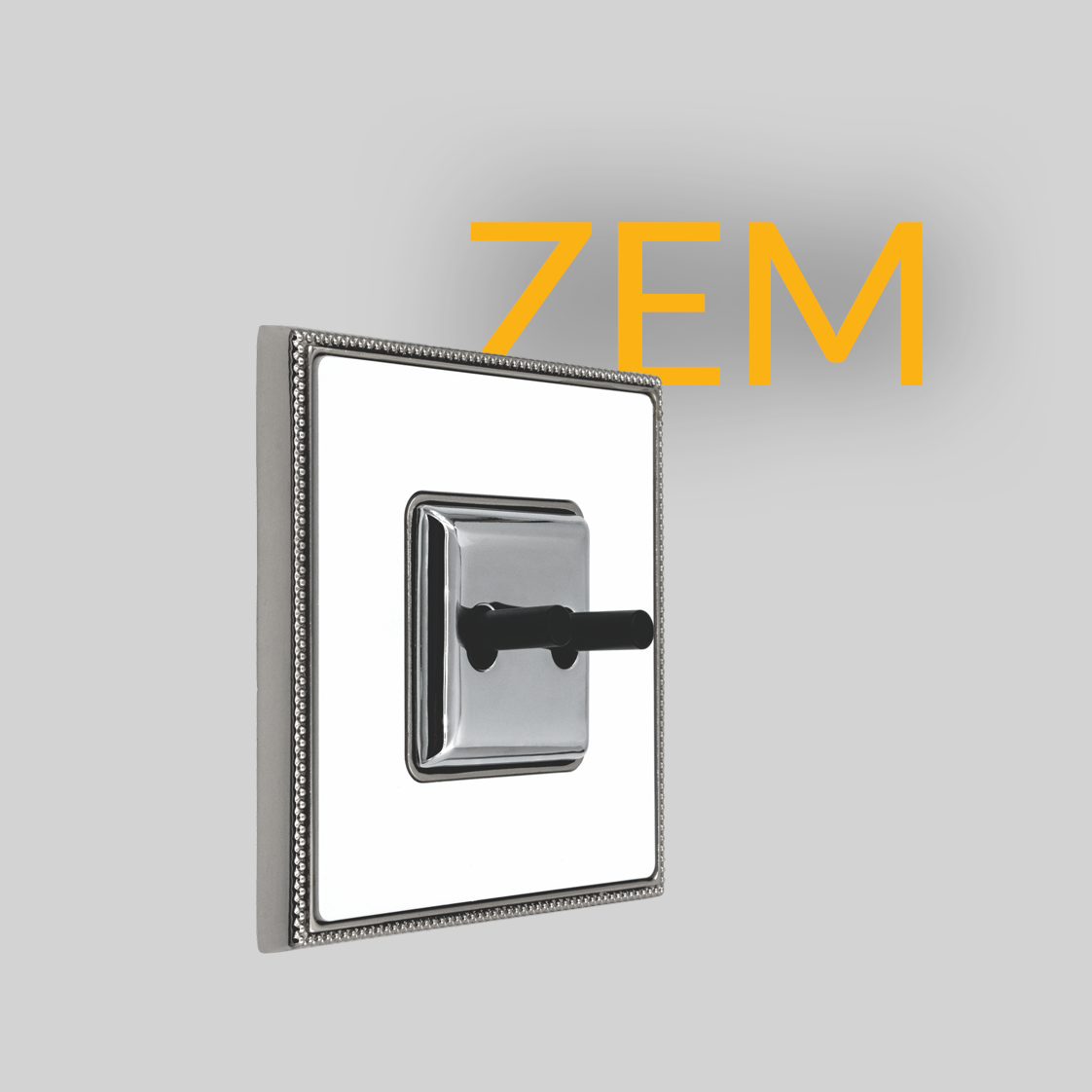
Art Deco is one of the most influential and iconic design styles of the 20th century. Emerging in Paris in the early 1920s, it quickly spread worldwide, influencing architecture, interior design, furniture, fashion, and lighting. Art Deco embodies elegance, geometric order, and the fusion of art with modern technology. It balances classic grandeur with modern spirit, creating interiors that are both functional and visually striking.
In Art Deco interiors, every detail matters. Straight lines, sharp angles, and precise geometric patterns replace ornate curves of earlier styles. Colors are bold and contrasting, including gold, black, silver, ivory, emerald green, and cobalt blue. Reflective materials like brass, nickel, cut glass, and mirrors amplify the luxurious atmosphere of any space.
Lighting and electrical fixtures are central to Art Deco interiors. Chandeliers, lamps, switches, and sockets are not merely functional—they are decorative elements that define a room’s identity. Choosing the right lighting fixtures and accessories can transform an ordinary space into a true Art Deco experience.
Key Characteristics of Art Deco Style
Art Deco is founded on principles of order, power, symmetry, and visual luxury. Unlike earlier styles such as Art Nouveau, which featured flowing lines inspired by nature, Art Deco emphasizes industrial elegance, geometric forms, and modern technology.
1. Geometry and Symmetry
Art Deco is all about precision. Geometric shapes such as triangles, zigzags, chevrons, sunbursts, and radiating lines dominate the style. Symmetry is crucial, creating a sense of visual balance and stability. Many chandeliers, wall sconces, and decorative panels feature symmetrical, structured forms.
2. Luxurious Materials
Materials are essential in defining the luxury of Art Deco interiors:
-
Polished brass and nickel for metallic accents
-
Chrome and stainless steel for sleek, modern touches
-
Cut glass and crystal for chandeliers and lamps
-
Decorative mirrors to enhance reflections and light
These materials reflect light, adding depth, richness, and sophistication.
3. Bold and Distinctive Colors
Art Deco interiors often feature strong contrasts:
-
Gold and black for power and opulence
-
Silver and white for modern elegance
-
Emerald green, sapphire blue, burgundy as accent colors
-
Ivory and deep brown for balance and classic refinement
4. Art Meets Function
Every element serves a dual purpose: aesthetic and practical. Lighting fixtures resemble sculptural art pieces, and switches and sockets often include decorative patterns, metallic finishes, or unique shapes.
5. Inspiration from Modern Architecture
Vertical lines, stepped forms, and skyscraper-inspired structures are common. Ceiling lights, chandeliers, and wall lamps often mimic these architectural elements, creating an atmosphere of grandeur.
Lighting in Art Deco Interiors
Lighting is central to the identity of Art Deco interiors. Light is both functional and decorative. Without appropriate lighting, the Art Deco style loses its impact.
1. Main Principles
-
Central lighting: a chandelier or statement ceiling fixture as the focal point
-
Accent lighting: wall sconces, table lamps, and floor lamps highlighting geometric patterns or artwork
-
Layered lighting: combining ambient, accent, and decorative lighting for visual depth
2. Light and Reflection
Materials like brass, chrome, nickel, glass, and mirrors amplify light. Warm tones highlight metallic finishes, creating a cozy yet luxurious feel.
3. Symmetry in Lighting Placement
Art Deco emphasizes balance. Lighting fixtures are positioned symmetrically to enhance visual stability. For example, matching wall sconces on either side of a mirror or artwork create harmony.
4. Dimmer Controls
Adjustable lighting is essential. Dimmer switches allow users to alter light intensity, adapting the ambiance for dining, relaxing, or entertaining.
5. Layered Light Sources
-
Ceiling fixtures: central chandeliers or flush-mount lamps
-
Wall lighting: highlights structural features or artwork
-
Accent lighting: emphasizes decorative items, mirrors, or sculptural furniture
Switches and Sockets in Art Deco Design
Even the smallest details like switches and sockets can enhance or detract from an Art Deco interior. Functionality and design must go hand in hand.
1. Materials and Finishes
-
Brass and gold-plated switches complement luxurious interiors
-
Nickel or chrome matches modern metallic accents
-
Decorative plates with geometric patterns integrate seamlessly with walls
2. Shape and Design
-
Rectangular or square frames with raised or beveled edges
-
Symmetrical layouts that align with furniture or wall panels
-
Embellishments like etched patterns, lines, or small decorative motifs
3. Practical Tips
-
Keep switches and sockets consistent in style across rooms
-
Use metallic finishes to reflect surrounding lighting
-
Consider dimmer-compatible switches for flexibility
Color Schemes in Art Deco Interiors
Color choice plays a critical role in establishing the style. Art Deco favors high-contrast palettes, often paired with metallic accents.
-
Gold and black: iconic pairing symbolizing power and luxury
-
Emerald green and burgundy accents: enrich dark neutral backdrops
-
Ivory or cream walls: highlight furniture, lighting, and decorative elements
-
Cobalt or navy blue: creates a bold, dramatic effect when paired with gold or brass
Furniture and Accessories
Art Deco furniture and accessories complement the overall geometry, symmetry, and opulence:
-
Furniture: polished wood with metallic inlays, lacquered surfaces, mirrored panels
-
Rugs and textiles: bold geometric patterns, luxurious materials like silk or velvet
-
Decorative items: sunburst mirrors, abstract sculptures, metallic vases
-
Lighting accessories: chandeliers, wall sconces, and table lamps with cut glass or crystal
Every piece should reflect the balance of form and function, elegance, and visual drama.
Art Deco Interior Tips
-
Prioritize symmetry in furniture placement, lighting, and decorative items.
-
Layer lighting to create depth and emphasize design elements.
-
Choose reflective materials like brass, chrome, or mirrored surfaces to enhance light.
-
Keep geometric patterns consistent, from wall panels to rugs and switches.
-
Balance bold colors with neutral tones to avoid overwhelming the space.
-
Integrate functional art: let switches, sockets, and lamps double as decorative features.
Frequently Asked Questions (FAQs)
Q1: Can Art Deco work in small spaces?
Yes. Focus on symmetry, geometric patterns, and reflective materials to create the illusion of space and luxury. Choose smaller-scale furniture and lighting.
Q2: Are dimmer switches necessary?
While not required, dimmers are highly recommended. They allow control over ambiance, highlighting decorative elements without overpowering the room.
Q3: How can I integrate modern technology without breaking the Art Deco style?
Opt for hidden wiring, flush-mounted sockets, and switches with metallic finishes. Smart lighting devices can be integrated subtly.
Q4: What materials are most authentic for Art Deco lighting?
Brass, nickel, chrome, cut glass, crystal, and mirrors are classic. Combining these with lacquered wood or polished stone enhances the look.
Q5: Can Art Deco colors be adapted for contemporary interiors?
Absolutely. Use bold accent colors with modern neutral backdrops. Metallic finishes still convey luxury and elegance.
Conclusion
Art Deco interiors are a celebration of luxury, geometry, and creativity. Every element—from lighting fixtures to switches, from mirrors to metallic finishes—must be carefully selected to maintain harmony and visual appeal. Proper use of materials, lighting, colors, and symmetrical design can transform ordinary spaces into elegant, timeless environments. By combining art, functionality, and technology, Art Deco remains a highly influential style for modern interiors, offering both sophistication and comfort.

