


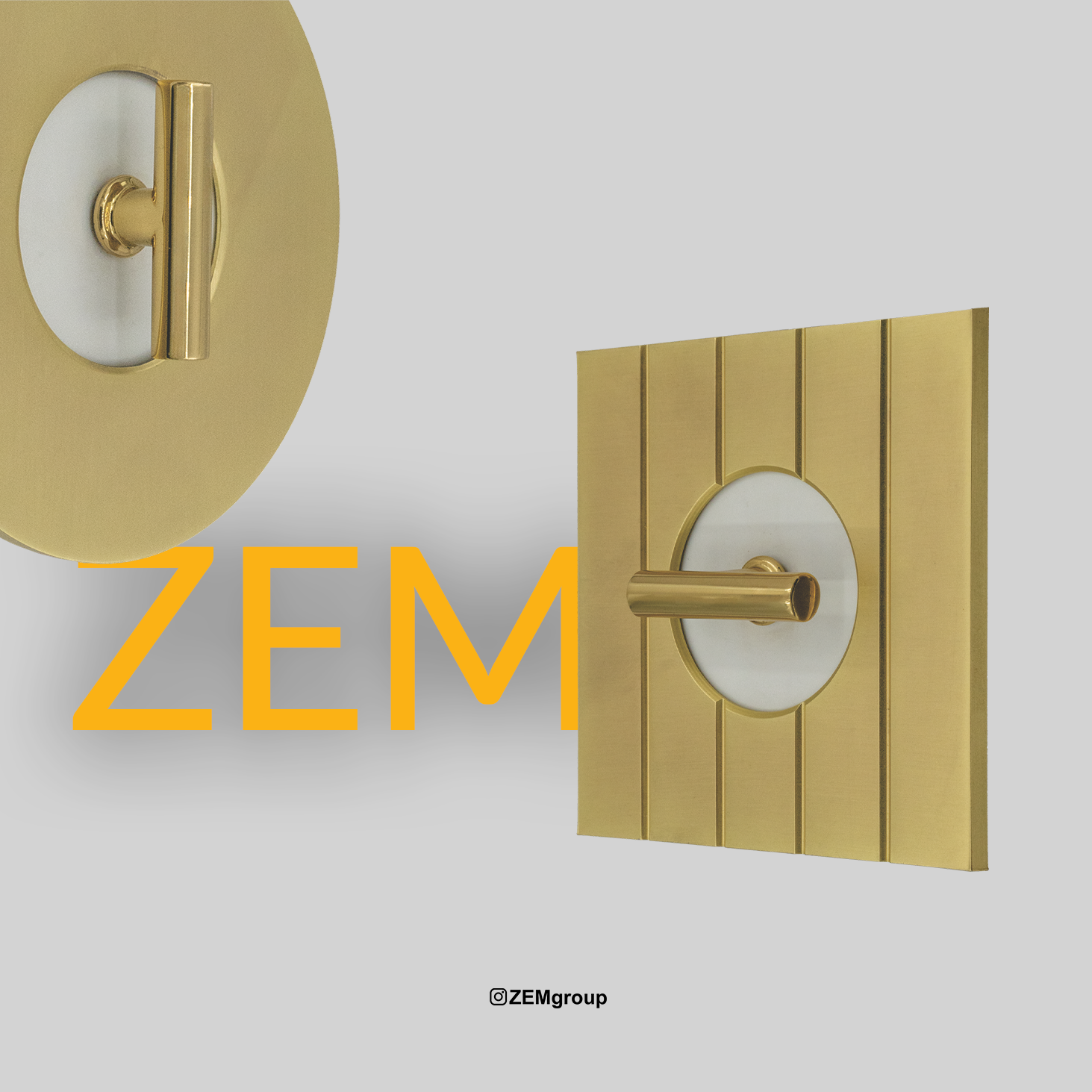
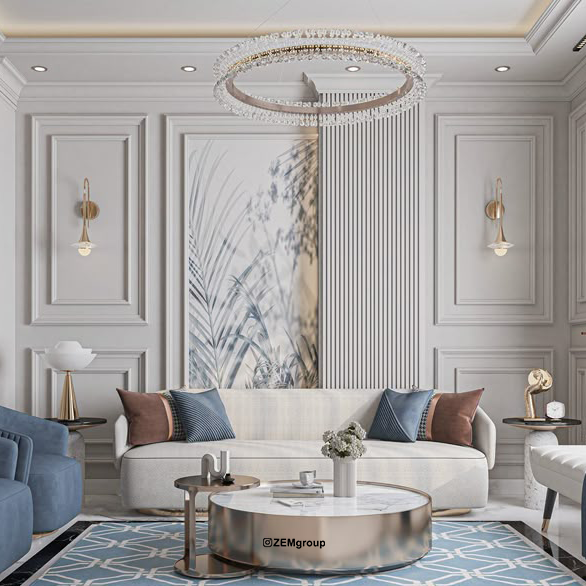
The Neoclassical Style can be considered one of the most magnificent and enduring interior design styles—a style that builds a beautiful bridge between past and present. Neoclassicism was, in fact, a response to the complexity and excessive ornamentation of the Baroque and Rococo styles of the 18th century. During that era, European designers decided to draw inspiration from ancient Greek and Roman architecture, bringing simplicity, order, and symmetry back into interior design. The result was a style that not only preserved the authenticity and dignity of classicism but also, by combining modern aesthetic principles, gave spaces an eternal and calming elegance
 .
.
Today, Neoclassical interiors have become one of the most popular choices for luxury homes, villas, and special spaces. In this style, every element—from ceiling lines to wall frames, from furniture to switches and sockets—plays a harmonious and purposeful role in creating balanced grandeur. Nothing in a Neoclassical interior is accidental; everything is designed based on symmetry, proportion, and harmony.
Beauty in Balance and Harmony
In Neoclassical design, the power of a space lies in its balance. It is neither as crowded and flashy as traditional classicism nor as simplistic as modern minimalism. In this style, soft lines and curves coexist with simple and orderly forms to create a sense of calm, stability, and dignity. Colors are usually neutral: white, cream, beige, gray, or soft gold; yet sometimes darker and bolder tones like charcoal, olive green, or royal blue are used to create contrast.
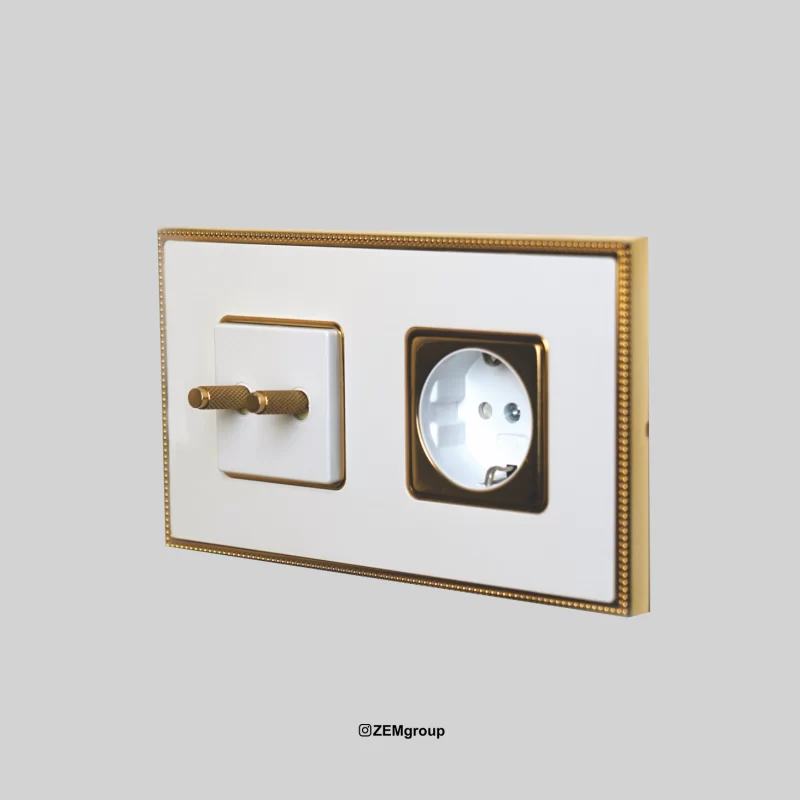
Shiny surfaces, velvet textures, and materials such as marble, natural wood, and polished metals (like brass or matte gold) are also key characteristics of this style. But what truly brings Neoclassicism to life is light. Lighting in this style is not just functional but serves to highlight architectural details and lines.
The Role of Light in Bringing Neoclassicism to Life
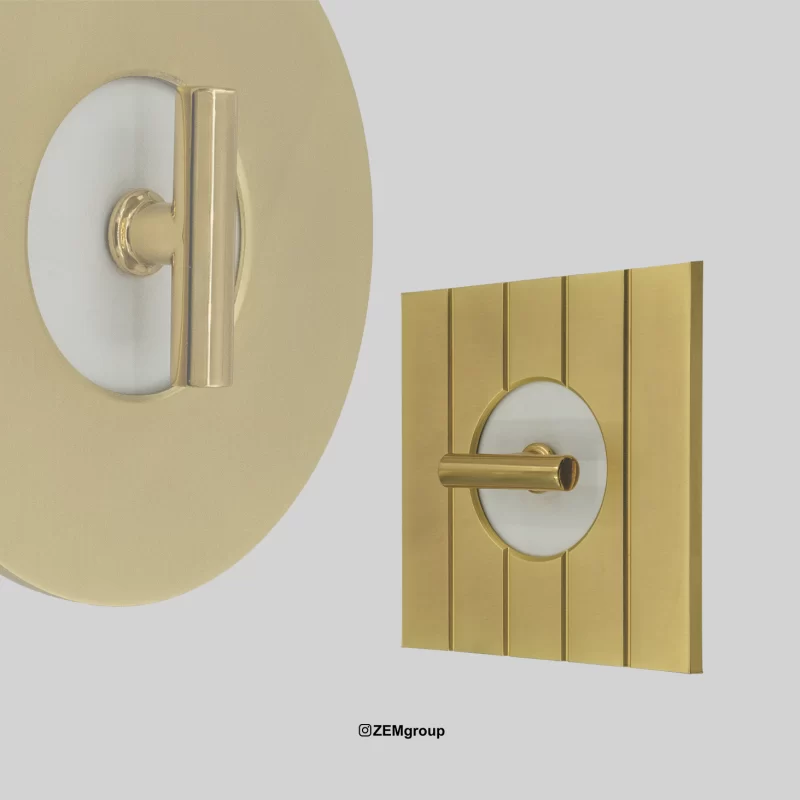
Neoclassical design cannot be fully appreciated without precise, layered lighting. Light in this style must be sculptural and soft to properly reveal volumes and textures. In Neoclassical spaces, harsh, direct lighting gives way to soft, golden illumination. Multi-arm chandeliers, wall sconces with polished metal arms, golden halogen frames, and even switches and sockets with raised frames and warm tones all contribute to this harmony.
In such spaces, every light source must not only be functional but also serve as a decorative element. This is where brands like ZEM Group play a prominent role. By focusing on the design and production of luxury switches, sockets, and lighting equipment that align with classical and Neoclassical styles, they offer products fully compatible with the philosophy of this style.
Detail Coordination: From Wall Frames to Switches and Sockets
One secret to successful Neoclassical design is attention to subtle details. In this style, even the smallest elements can transform the identity of a space. Therefore, choosing the right switches, sockets, halogen frames, wall lights, and chandeliers is as important as selecting furniture or wall colors.
Neoclassical switches and sockets, with their unique design—a combination of metal frames in gold, rose gold, or polished silver alongside refined and dignified lines—create the necessary harmony. These products are designed not only for aesthetics but also for quality and durability according to European standards, ensuring years of elegance alongside luxury elements.
Additionally, Neoclassical chandeliers with branch-like forms, transparent crystals, and metal bodies with gold or polished nickel finishes become the focal point of any space. Wall lights flanking mirrors or frames reinforce the sense of symmetry, while brass or golden halogen ceiling frames with soft lighting add depth and warmth.
Why Neoclassicism Remains Popular
Despite the emergence of dozens of new interior design styles, Neoclassicism has retained its position. Its enduring appeal lies in the intelligent fusion of authenticity, order, and refinement. This style suits those who seek spaces that are grand, balanced, and timeless—without the excess of classic ornamentation or the coldness of minimalism.
A Neoclassical home is like a work of art that becomes more beautiful over time. In such spaces, light and details play a vital role—from the golden switch frames to the reflection of light on a crystal chandelier, every element contributes to creating harmony.
Principles of Neoclassical Interior Design
Neoclassical style is more than just a design trend; it is a philosophy of beauty and balance. By preserving the spirit of classical architecture and adapting it to modern needs, it creates spaces where grandeur, simplicity, and symmetry coexist in perfect harmony. Every line, color, and texture is intentional; nothing is accidental.
To understand this style better, one must examine its fundamental principles:
-
Symmetry: The Golden Rule of Neoclassicism
Symmetry is one of the main pillars of Neoclassical design. Spatial arrangements are usually based on symmetrical axes. For instance, two identical sofas on either side of a central table, two similar wall lights flanking a mirror or painting, and even two coordinated chandeliers in a large hall all serve to create visual balance and calm.
Even in small details like switches and sockets, symmetry is maintained; they are installed in alignment with the overall visual order of the space.
-
Colors: Harmony in Softness
Colors in Neoclassical interiors are calming yet majestic. The palette typically includes neutral and warm tones such as cream, ivory, beige, light gray, matte gold, bronze, and white. Occasionally, royal blue, olive green, or dark gray are added for depth.
Gold and brass hold a special place in Neoclassicism, conveying authenticity and luxury. Brands like ZEM Group use combinations of matte gold, polished silver, and classic black in their Neoclassical switches and sockets to maintain color harmony throughout the space.
-
Materials: Showcasing Authenticity with Natural Textures
Natural and high-quality materials are always prioritized in Neoclassical design. Wood, stone, metal, and premium fabrics form the foundation of the style. For example:
-
Marble flooring or wall details convey grandeur.
-
Natural wood in furniture or wall panels adds warmth and softness.
-
Metals like brass and bronze are used for decorations, chandeliers, and lighting frames.
ZEM Group draws inspiration from these materials for its Neoclassical lighting equipment and halogen frames. Brass and golden halogen frames, metal-bodied wall lights, and chandeliers with polished metal branches reflect the same commitment to authenticity.
-
Lines and Forms: Combining Order with Grace
Lines in Neoclassicism are neither rigid nor overly ornate. Forms are simple yet delicately designed. Ceiling and wall frames often feature minimal moldings, slim columns, and orderly panels. This design language gives spaces the dignity of classical architecture while benefiting from modern simplicity.
In lighting, the same logic is evident. ZEM Group’s Neoclassical ceiling and wall lights have soft curves, frosted or clear glass, and delicate details. They are designed to be noticeable without overwhelming the space, complementing the overall environment.
-
Layered Lighting: The Hidden Spirit of Neoclassicism
No style uses light as effectively as Neoclassicism. Lighting must be multifunctional—both functional and decorative.
-
Ambient light is provided by chandeliers and ceiling lights.
-
Accent light highlights paintings or columns through wall sconces.
-
Hidden or recessed halogens emphasize architectural lines and create depth.
ZEM Group offers a range of brass and golden halogen frames, symmetrical wall lights, and branch-style or crystal chandeliers to fulfill these layered lighting needs. Each piece contributes to a delightful interplay of light and shadow.
-
Details: The Signature of Neoclassicism
If Neoclassical decor were a symphony, decorative details would be its main notes. Every corner, line, and frame must be meticulously designed. Here, small elements like switches and sockets gain exceptional importance.
In spaces dominated by symmetry and elegance, switches should not appear incongruous. ZEM Group’s Neoclassical switches, with polished metal frames, soft lines, and colors harmonized with the overall palette, are ideal. They transmit a sense of authenticity and refinement, like small jewels completing a luxurious outfit.
-
Balancing Simplicity and Grandeur
A crucial challenge in Neoclassical design is finding the balance between simplicity and opulence. Too many details make a space feel heavy; too little, and the spirit of Neoclassicism is lost. Designers must find this sweet spot.
ZEM Group follows this philosophy in its lighting and switch designs. For example, golden or rose gold halogen frames are minimalist despite their shine, complementing ceiling moldings or panels and creating harmonious elegance.
Overall, Neoclassical interior design principles are based on order, authenticity, neutral colors, luxurious materials, and intelligent lighting. When combined with the right lighting equipment and Neoclassical switches and sockets, the result is a space that conveys calmness, dignity, and timeless beauty.
Lighting in Neoclassical Interiors and Introduction to ZEM Group’s Neoclassical Lighting Equipment
In Neoclassicism, light is more than a functional need—it is the language of space. The style relies on symmetry, proportion, and subtle details, requiring light that can highlight all these features. Light is used not only for illumination but to emphasize architectural lines, moldings, panels, and even wall colors and textures.
Therefore, lighting equipment must be chosen to harmonize with the décor while creating warm, soft, and pleasing illumination. ZEM Group has designed and offers a collection of Neoclassical chandeliers, wall lights, ceiling lights, and switches that meet all these requirements:
-
Chandeliers with multiple arms, golden branches, and crystal pendants that act as the focal point of halls and living rooms.
-
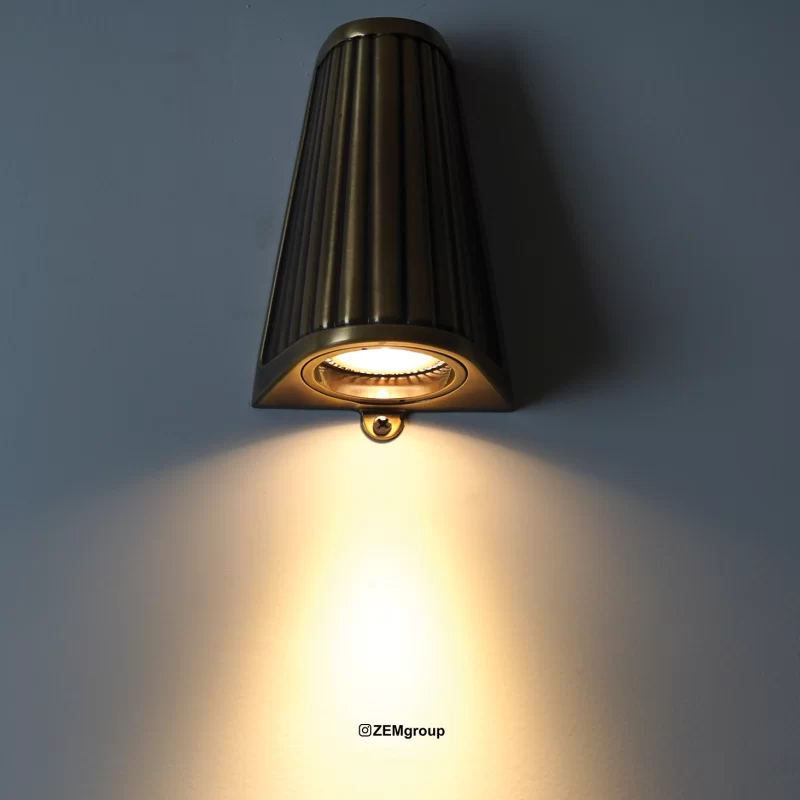
Wall lights with brass or golden bodies to complement furniture and architectural details.
-
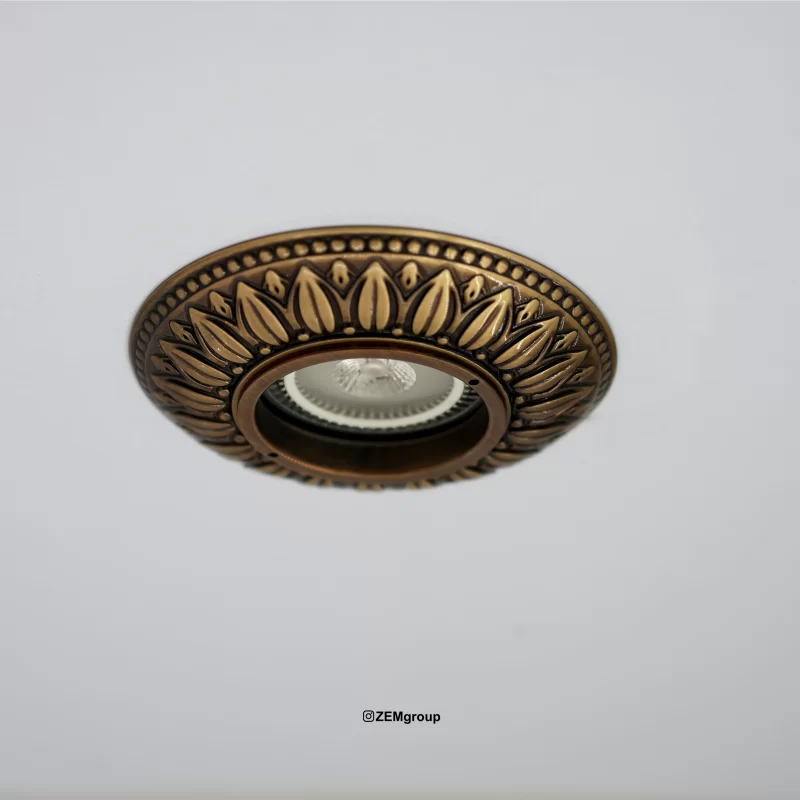
Halogen frames with polished or matte finishes for subtle and elegant ceiling illumination.
-
Neoclassical switches and sockets with refined lines, metallic finishes, and coordinated colors.
These products are not only luxurious but also practical, durable, and compatible with modern electrical standards.
Conclusion: Neoclassicism and the Art of Harmonious Living
Neoclassical interiors represent a timeless combination of elegance, order, and simplicity. Every element, from the largest chandelier to the smallest switch frame, contributes to the overall harmony of the space. When designers and homeowners pay attention to details, choose premium materials, and apply layered lighting principles, the result is a home that transcends time—a home where every corner tells a story of beauty, balance, and refinement.
In this journey, ZEM Group stands as a trusted partner, providing Neoclassical lighting and electrical solutions that align with the spirit of this majestic style. With their products, even the smallest details—from golden switch frames to halogen light outlines—can turn ordinary interiors into luxurious, timeless spaces.

