


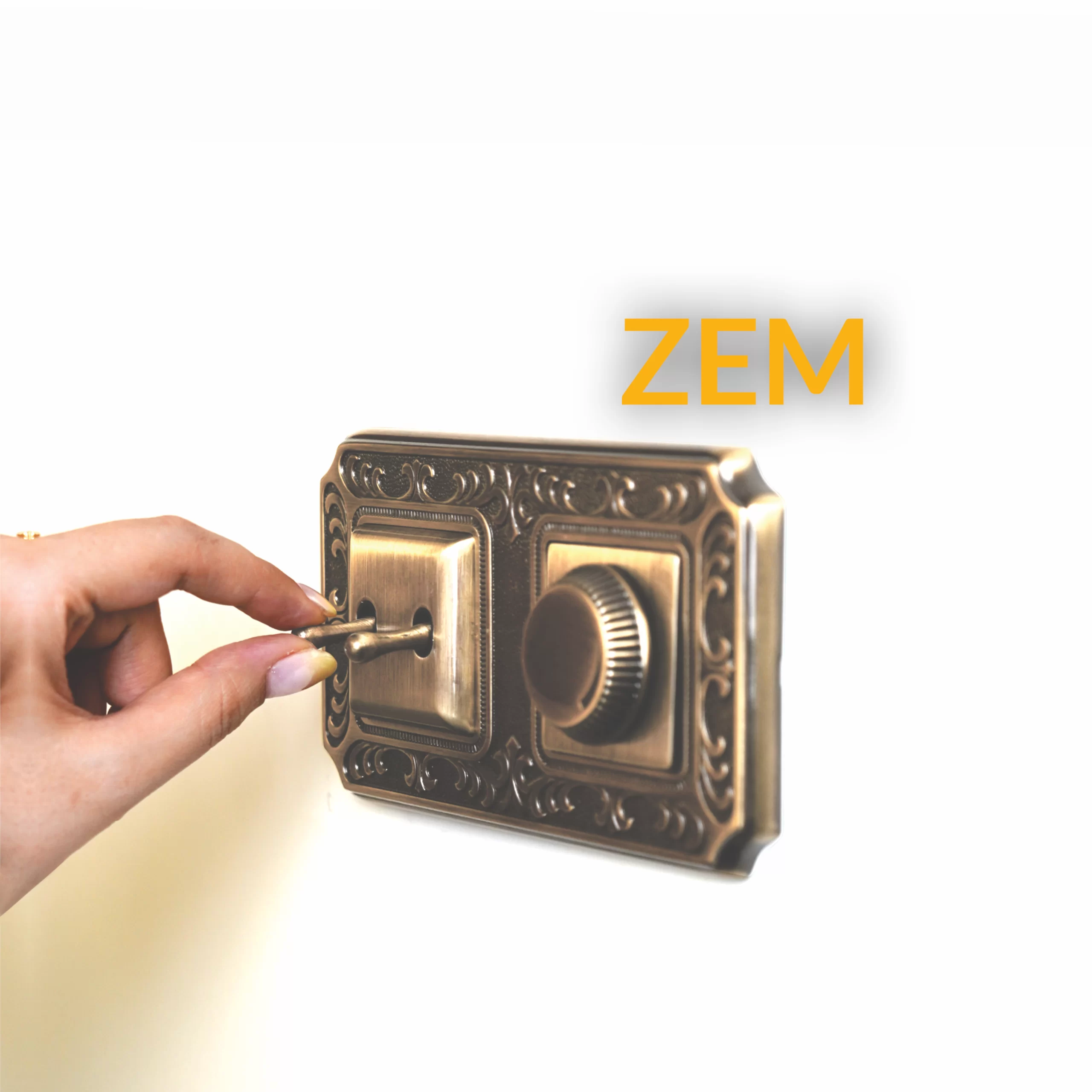
Lighting is one of the key elements in both interior and exterior design of buildings, significantly affecting the beauty, functionality, and comfort of a space. Proper lighting can improve quality of life, increase productivity, and even influence individuals’ mental and physical health. This article explores the various dimensions of lighting, its effects, and professional lighting design principles.
The Impact of Lighting on Space Aesthetics
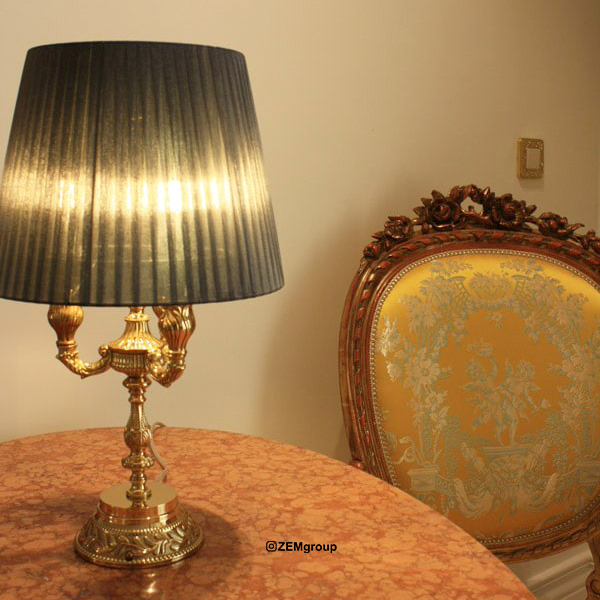
One of the most important purposes of lighting is to create visual beauty and appeal within a space. Lighting can highlight architectural features of a building, reveal textures and forms, and add a three-dimensional effect to the environment. Thoughtful lighting design can create dramatic effects, define focal points, and draw attention to design elements.
Example: Warm lighting can enhance comfort and relaxation, while cool and bright lighting can boost energy and concentration. Smart use of different lighting combinations allows the mood and atmosphere of a space to be adjusted effectively.
Increasing Productivity and Efficiency
Proper lighting, especially in workspaces, is crucial. Studies have shown that natural light and well-designed artificial lighting positively impact focus, energy, and mood. Combining natural light with appropriate artificial lighting creates an ideal environment for daily activities and work.
The Effects of Lighting on Mental and Physical Health
Lighting has not only aesthetic but also physiological and psychological impacts:
-
Regulates the body’s circadian rhythm, influencing sleep quality and daily energy levels.
-
Reduces stress and anxiety, promoting a sense of calm.
-
Affects metabolism, blood circulation, and hormonal balance.
-
Improves vision and safety, reduces fatigue, and increases productivity.
Adequate and balanced lighting enables individuals to perform better throughout the day and supports both mental and physical health.
Enhancing Security with Exterior Lighting
Proper exterior lighting can enhance a building’s security. Area lights and street lamps reduce dark spots and prevent unauthorized access. Correctly illuminating pathways and entrances ensures safety and peace of mind for residents.
Creating Identity and Character for Buildings
Creative lighting can give buildings a distinct identity and character. Unique lighting designs can differentiate a building from its surroundings and add special charm. Exterior lighting can reflect the architectural style and the personality of the owner.
Key Principles in Lighting Design
-
Utilize natural light: Windows, skylights, and architectural features that allow natural light should be carefully considered in the design process.
-
Diverse light sources: Combining direct and indirect lighting, spot and broad lights, task and decorative lights enhances space dynamics. For example, wall sconces provide localized light, while chandeliers and large ceiling lights create widespread illumination.
-
Adjust light intensity: Using dimmer switches or smart lighting systems allows the lighting to match the space’s needs. Proper intensity preserves the aesthetic and avoids disturbing residents.
-
Consider light color: Light color significantly affects mood and performance. Warm light is suitable for residential spaces, while cool light is better for work areas. Light color should harmonize with interior materials for visual cohesion.
-
Lighting direction: Light should not shine directly into residential units or create unwanted shadows. Adjustable projector lights can distribute light uniformly and indirectly.
Interior Lighting
Interior lighting is a vital aspect of interior design and can evoke comfort and assurance. To achieve effective lighting, it is important to know which fixtures are suitable for each space:
-
Chandeliers and large ceiling lights: Ideal for living rooms and creating visual appeal.
-
Table lamps and floor lamps: Suitable for localized lighting and reading.
-
Halogen fixtures: Provide linear and spot lighting for added visual interest.
Types of Interior Lighting
-
General Lighting: Provides uniform and sufficient light throughout the space for everyday activities. Typically achieved with ceiling lights or chandeliers.
-
Task Lighting: Focused lighting for specific activities such as reading, cooking, or computer work. Examples include desk lamps, under-cabinet lights, and bar lights.
-
Accent Lighting: Highlights specific decorative elements, artworks, or architectural details. Projector lights and wall sconces are commonly used for accent lighting.
Principles of Interior Lighting
-
Even light distribution: Multiple light sources create balance and eliminate dark spots.
-
Correct color temperature: Warm light (2700–3000K) induces relaxation, while cooler light (4000K+) enhances focus.
-
Adjustable lighting: Dimmers and smart controls allow flexibility, energy efficiency, and dynamic lighting.
-
Use of natural light: Windows, skylights, and mirrors increase brightness and freshness in the interior.
Effective Interior Lighting Strategies
-
Combine general, task, and accent lighting for dynamic and balanced spaces.
-
Select high-quality LED lamps to reduce energy consumption and increase light longevity.
-
Consider the scale and size of the space when determining lighting intensity and type.
-
Use hidden lights for modern and elegant visual effects.
The Role of Lighting in Interior Design
Historically, lighting has been a primary tool in interior decoration—from candles and lanterns to modern LEDs and halogens. Light has always been used to create beauty and tranquility. Choosing the appropriate light color for offices, homes, or public spaces significantly affects the psychological experience of occupants.
Essential Fixtures for Professional Lighting
-
Pendant ceiling lights
-
Recessed wall and ceiling lights
-
Surface-mounted wall and ceiling lights
-
Ceiling-mounted bulb fixtures
Combining natural and artificial light ensures sufficient illumination and optimal visual appeal.
Styles and Lighting Angles
Interior lighting can be categorized based on angle, intensity, and type:
-
Direct and focused light for specific tasks
-
Indirect light for creating a calm ambiance
-
Hidden lighting for decorative and modern effects
Exterior Lighting of Buildings
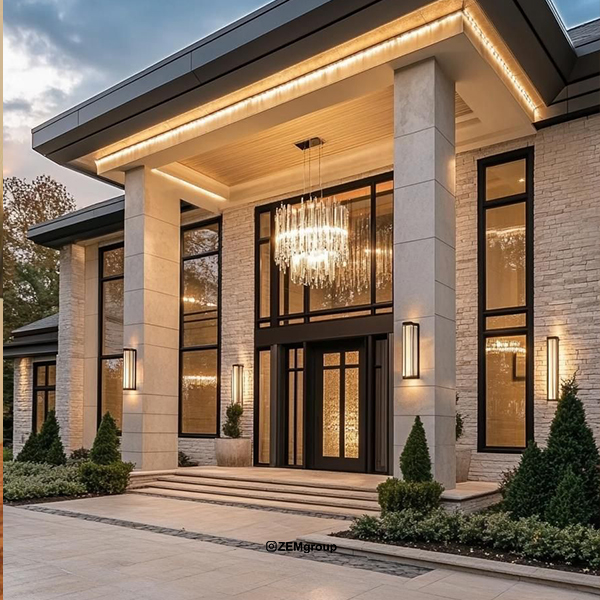
Exterior lighting plays a crucial role in enhancing beauty, security, and identity. Properly designed lighting for facades, courtyards, and pathways creates visual appeal, increases safety, and offers a welcoming atmosphere for residents and visitors.
Objectives of Exterior Lighting
-
Visual Appeal: Highlights architectural features, columns, glass facades, and decorative details.
-
Security: Illuminates entrances, sidewalks, parking areas, and open spaces to reduce dark spots and deter unauthorized access.
-
Identity and Character: Unique lighting differentiates the building and creates a distinct visual identity, such as using colored lights or adjustable projectors.
Key Points in Building Facade Lighting
-
Selecting Light Sources:
-
Adjustable projectors for emphasizing architectural details
-
Recessed and surface-mounted lights for pathways and entrances
-
Linear LED lights for long facades and building edges
LED and energy-efficient lamps are recommended for durability and low energy consumption.
-
-
Light Intensity and Direction:
-
Balanced intensity: Avoid excessive brightness or dimness
-
Proper direction: Prevent light from spilling into residential units and creating unwanted shadows
-
Hidden lights: Create a uniform light effect without visible sources
-
-
Light Color:
-
White or blue light for modern facades
-
Warm light for classic or stone facades
-
Harmonize light color with building materials for visual cohesion
-
-
Lighting Courtyards and Pathways:
-
Ensure sidewalks and entrances are well-lit for safety
-
Short post lights or linear lights create visual calm
-
Illuminating gardens, trees, and outdoor elements adds depth and invitation
-
-
Accent and Highlight Lighting:
-
Emphasize columns, entrances, and details with focused light for depth
-
Adjustable projectors allow optimal shadow and highlight effects
-
-
Creative and Artistic Lighting:
-
Colored or combined lights create artistic facades
-
Interactive lights responding to movement or time enhance visual experience
-
Gradual or dynamic lighting in luxury buildings conveys modernity and energy
-
-
Technical and Practical Considerations:
-
Energy efficiency: LED lamps and smart controls reduce energy usage
-
Weather resistance: Exterior lights should meet IP standards for durability
-
Easy maintenance: Choose lights that are simple to replace and repair
-
Coordinated Interior and Exterior Lighting
For visual harmony, interior and exterior lighting should be coordinated:
-
Transparent facades: Interior light at night enhances the building’s attractiveness
-
Emphasizing entrances: Combining interior and exterior light draws attention to pathways
-
Creating a cohesive visual experience: Matching color, intensity, and direction between inside and outside promotes unity and harmony
Professional and smart lighting not only enhances beauty, security, and functionality but also directly affects individuals’ mental and physical health. By following interior and exterior lighting principles, using appropriate light sources, adjusting intensity and color, and directing light properly, one can create attractive, safe, and inviting spaces.
Lighting as a design tool can elevate the visual experience of buildings, transforming them from simple structures into works of art.
Frequently Asked Questions (FAQ) about Interior and Exterior Lighting
-
What is interior lighting and why is it important?
Interior lighting refers to the illumination of indoor spaces, including general, task, and accent lighting. It is essential for creating beauty, comfort, and improving productivity in residential and work environments. -
What types of lighting are suitable for living rooms or lounges?
A combination of chandeliers or large ceiling lights (general lighting) and wall sconces or floor lamps (task lighting) is ideal. Warm lighting creates a sense of comfort and intimacy. -
What is the difference between task lighting and accent lighting?
-
Task lighting: Focused light for specific activities such as reading or cooking.
-
Accent lighting: Highlights decorative elements, artworks, or architectural details.
-
What is the ideal color temperature for different spaces?
-
Residential and living areas: Warm light (2700–3000K)
-
Workspaces and offices: Cool light (4000–5000K)
-
Building facades: White or slightly blue light for a modern, clear look
-
What are the benefits of exterior lighting?
-
Enhances beauty and highlights facade details
-
Increases security and illuminates pathways and spaces
-
Provides identity and character to the building
-
Integrates interior and exterior lighting for cohesive visual effects
-
How to choose the right light intensity?
Using dimmers or smart systems allows adjusting light intensity according to activity and needs. Light should be balanced: neither too bright nor too dim. -
Which fixtures are suitable for professional interior and exterior lighting?
-
Interior: Chandeliers, ceiling lights, wall lights, linear halogens, and hidden lights
-
Exterior: Adjustable projectors, recessed and surface-mounted lights, linear LEDs, and hidden lighting for facades and pathways
-
Is natural light important?
Yes, natural light is one of the best sources of illumination. Windows, skylights, and mirrors increase brightness, freshness, and reduce energy consumption. -
How does lighting improve mental health?
Proper lighting regulates circadian rhythm, improves sleep quality, reduces stress and anxiety, and promotes comfort and well-being.

