


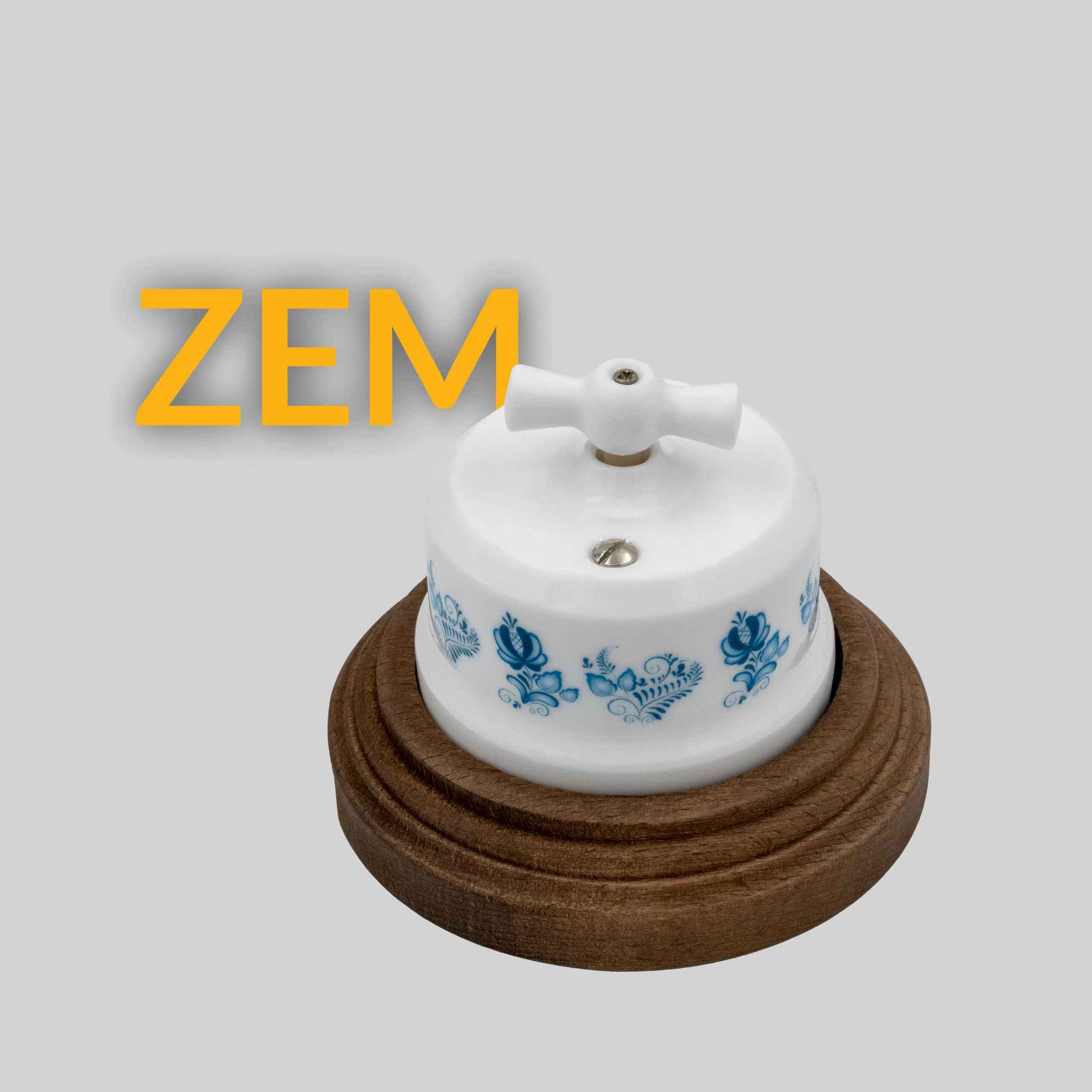
The Importance of Rustic Interior Design
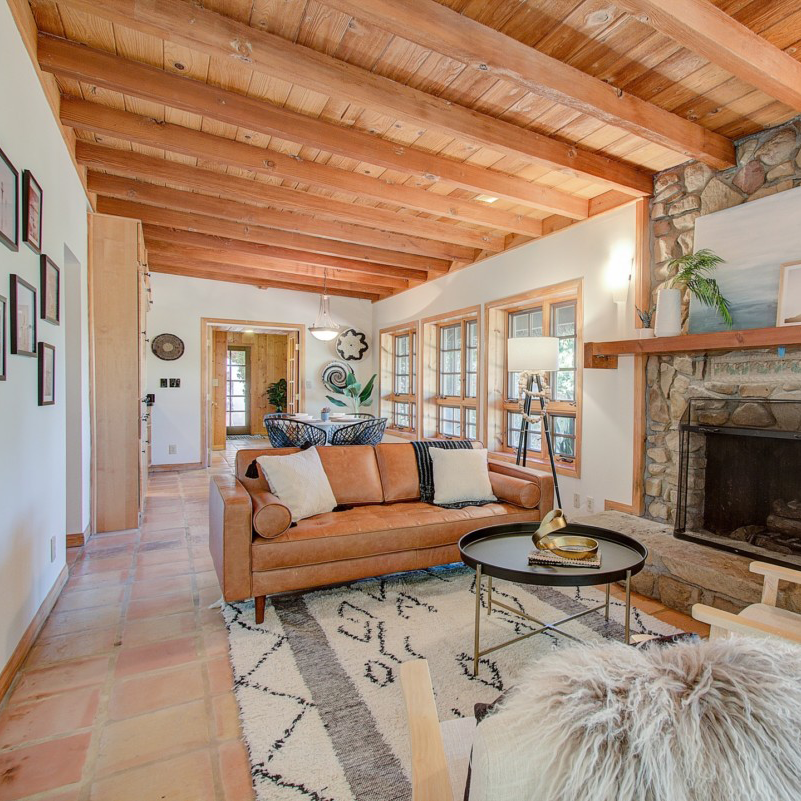
Interior design goes beyond mere aesthetics; it is a reflection of the personality, lifestyle, and values of the inhabitants. Every interior style creates a unique atmosphere and evokes distinct emotions within a space. Among the many design styles, the Rustic style holds a special place. Inspired by nature, raw materials, and simple living, it creates a warm, inviting, and tranquil environment.
One of the reasons for the rustic style’s popularity lies in its ability to evoke a sense of calmness and closeness to nature. In today’s fast-paced and industrial world, a home designed in the rustic style provides a retreat where people can escape the chaos and stress of daily life and reconnect with simplicity and peace. This style emphasizes the use of natural materials such as wood, stone, metal, and handwoven fabrics. Rather than relying on excessive ornamentation or artificial embellishments, it celebrates the natural beauty of raw textures.
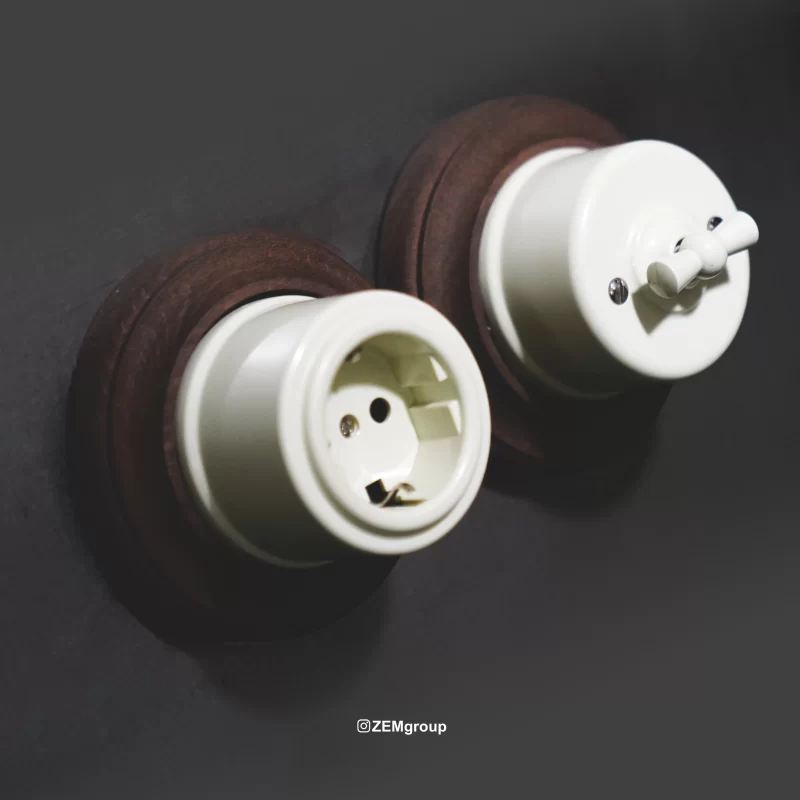
Beyond furniture and materials, even small details—like switches and sockets—play a crucial role in completing the visual identity of a rustic interior. Choosing switches and sockets that match the rustic aesthetic enhances harmony and elevates the overall ambiance. Wooden, brass, or matte-textured switches are great examples, and many such designs are available at ZEMGROUP, suitable for both new builds and renovation projects.
In this article, we will thoroughly explore the key characteristics of the rustic style, including its color palette, materials, furniture, lighting, and finishing details. Alongside, we’ll also introduce switch and socket models that perfectly complement rustic interiors. Our goal is to provide a complete guide for designers, homeowners, and interior enthusiasts to help them create a natural, warm, and harmonious rustic environment.
Key Features and Design Principles of Rustic Style
The rustic interior style brings authenticity, warmth, and a close connection to nature into the home. Built upon natural materials, rich textures, and simple forms, it aims to create cozy and inviting spaces. To design a successful rustic interior, it’s important to understand its main characteristics and principles:
1. Use of Natural Materials
The hallmark of rustic design is the use of raw, organic materials — wood, stone, metal, and natural textiles form the foundation of this style.
-
Wood: Commonly used for flooring, walls, ceilings, and furniture in raw or semi-finished forms. Oak, walnut, and pine are popular choices.
-
Stone: Natural stone for flooring, fireplaces, or accent walls adds warmth and authenticity.
-
Metal: Used in details such as handles, furniture legs, and lighting fixtures, often in matte or aged finishes for an industrial-rustic touch.
2. Natural and Earthy Colors
The rustic palette draws inspiration from nature, featuring warm and grounding hues that create balance and serenity.
-
Primary Colors: Wooden brown, beige, cream, sand, olive green, and stone gray.
-
Accent Colors: Soft white or pastel tones to bring contrast and brightness.
3. Natural Textures and Detailing
Textures are fundamental to rustic interiors, enhancing the tactile experience and sense of coziness. Handwoven rugs, wool blankets, linen fabrics, exposed brick walls, rough wooden beams, and stone pillars bring character and soul to the space.
4. Simple and Functional Furniture
Rustic furniture combines practicality with comfort and understated elegance. Designs are usually simple, without ornate details.
-
Tables and Chairs: Crafted from natural wood, often with simple or slightly distressed finishes.
-
Cabinets and Storage Units: Wooden with brass or iron handles.
-
Sofas and Armchairs: Upholstered in natural fabrics in neutral or earthy colors.
5. Natural and Artificial Lighting
Lighting in rustic interiors should enhance the sense of warmth and natural beauty.
-
Natural Light: Large windows and glass doors maximize daylight, while light-toned walls help reflect and diffuse it.
-
Artificial Light: Wooden or metal chandeliers, lampshades made from fabric or wicker, and warm-toned LED lights help maintain a cozy, inviting ambiance.
6. Decorative Accessories and Finishing Touches
Small details make a big difference. Elements like picture frames, clocks, vases, and even switches and sockets contribute to the rustic character. Using wooden, brass, or matte metal switches that complement wall textures and furniture adds a refined finishing touch.
Lighting, Accessories, and Switches for Rustic Interiors
Rustic design extends beyond the choice of materials—it’s about atmosphere. Lighting and subtle details like switches and accessories play a vital role in creating a cohesive look.
1. Lighting in Rustic Design
Lighting should feel warm, soft, and natural. Harsh or cold light disrupts the rustic charm.
-
Natural Light: Large windows and sheer curtains allow sunlight to fill the room.
-
Ceiling and Wall Lighting: Exposed beams and bright walls help diffuse daylight.
-
Artificial Light:
-
Wood-and-metal chandeliers create authenticity.
-
Table and floor lamps with fabric or wicker shades produce gentle illumination.
-
Warm LED lighting works best for small spaces or under-cabinet areas.
-
2. Accessories and Decorative Items
Rustic accessories reflect nature’s simplicity and beauty:
-
Ceramic or wooden vases.
-
Wall clocks with wooden or matte metal frames.
-
Handwoven blankets and cushions in earthy tones.
3. Switches and Sockets in Rustic Design
Even the smallest details, like switches and sockets, can reinforce the rustic identity of a space.
Suitable Models:
-
Wooden switches and sockets: Add warmth and authenticity.
-
Brass or matte metal designs: Perfect for stone or earthy-toned walls.
-
Textured or simple framed models: Provide harmony with natural surfaces.
Rustic Models Available at ZEMGROUP:
-
Retro Surface-Mounted Model (Plastic, handmade ceramic, and wood).
Installation Tips:
-
Mounting Height: Similar to classic installations, but can be adjusted slightly to match rustic furniture layouts.
-
Wall Texture Coordination: Choose frames that blend naturally with wooden or stone walls.
-
LED Accent Lighting: Some ZEM models include subtle built-in LED lighting, combining function with beauty.
Furniture, Flooring, and Layout in Rustic Interiors
Rustic interiors focus on functionality, comfort, and the natural charm of materials.
1. Furniture
-
Materials: Natural wood, matte metal, and textured fabrics.
-
Colors: Earthy tones like brown, beige, cream, and olive green.
-
Design: Simple lines, comfort-oriented, and durable construction.
Examples:
-
Dining or coffee tables made of raw wood.
-
Sofas in neutral tones with handmade cushions.
-
Wooden cabinets with brass or iron handles.
2. Flooring and Walls
-
Flooring: Natural wood for living spaces; stone or textured ceramics for kitchens and entryways.
-
Walls: Wooden or stone panels create warmth and depth; earthy paints complement the overall tone.
3. Layout and Organization
Rustic spaces should feel relaxed and open.
-
Arrange furniture freely without rigid symmetry.
-
Define areas with handmade rugs or wool throws.
-
Avoid clutter and focus on essential, cozy elements.
Common Mistakes in Rustic Design (and How to Avoid Them)
1. Overusing Dark Colors
Too many dark shades can make the space feel heavy.
Tip: Balance dark wood with natural light and light-toned accessories.
2. Overcrowding with Accessories
Too many decorations make the room feel chaotic.
Tip: Keep it simple — one or two statement pieces are enough.
3. Mismatched Switches and Sockets
Plastic or glossy white switches clash with rustic décor.
Tip: Use wooden, matte brass, or textured frames from ZEMGROUP to maintain harmony.
4. Using Synthetic Materials
Artificial finishes like plain MDF or shiny plastic disrupt the natural aesthetic.
Tip: Prioritize natural materials or realistic imitations of wood and stone.
5. Harsh Lighting
Cold lighting ruins the cozy feel.
Tip: Use warm-toned light sources, wood or metal fixtures, and indirect illumination.
6. Ignoring Comfort and Functionality
Overemphasis on aesthetics can make a space impractical.
Tip: Balance beauty and usability through ergonomic, comfortable design.
Conclusion: Returning to Simplicity, Warmth, and Authenticity
In a world dominated by modern and industrial designs, the rustic style offers a soothing escape—a return to simplicity, calm, and nature. This style evokes memories of old country homes with wooden ceilings, stone walls, and the golden glow of sunset.
The essence of rustic design lies in its honesty and authenticity. Nothing is hidden—wood shows its grain, metal reveals its patina, and colors mirror earth, trees, and sunlight. Even small details like switches and sockets can enhance this harmony. Wooden and brass switches from ZEMGROUP help achieve the perfect balance of functionality and aesthetic warmth.
Ultimately, rustic design is more than a decorative choice—it’s a way of life, one that reconnects us to our roots and the natural rhythm of living.
Frequently Asked Questions (FAQ)
1. What exactly is rustic interior design?
Rustic design emphasizes simplicity, nature, and raw materials such as wood, stone, and natural fabrics. The goal is to recreate the warmth and authenticity of rural living.
2. What is the difference between rustic and modern styles?
Modern design focuses on clean lines, sleek surfaces, and neutral colors, while rustic style highlights natural textures, warmth, and imperfection. Modern is minimalist and structured; rustic is organic and soulful.
3. What colors work best in rustic décor?
Earthy and warm tones such as brown, beige, cream, olive green, and soft gray are ideal. Pair them with natural materials like wood and stone for balance.
4. Which types of switches and sockets suit rustic interiors?
Switches inspired by classic or natural aesthetics are ideal. ZEMGROUP offers:
-
Matte brass lever switches for warm, traditional spaces.
-
Wooden or wood-effect models for villas and cottages.
-
Ceramic or stone-framed designs for a refined, natural touch.
5. Is rustic design only suitable for country homes?
Not at all. Rustic elements can enhance even modern apartments. With the right combination of natural materials and warm tones, you can bring rustic coziness to any space.
6. How should lighting be planned in rustic interiors?
Lighting should be warm and gentle. Wooden or metal chandeliers, wall lamps with soft yellow light, and decorative candles create a cozy ambiance. Dimmer switches also help adjust brightness for comfort.
7. Can rustic style be combined with other design themes?
Yes. Rustic design blends beautifully with modern, industrial, or bohemian styles. For instance, brick walls or metal furniture can harmonize with wood textures and earthy tones. Wooden or brass switches help tie these elements together seamlessly.

