


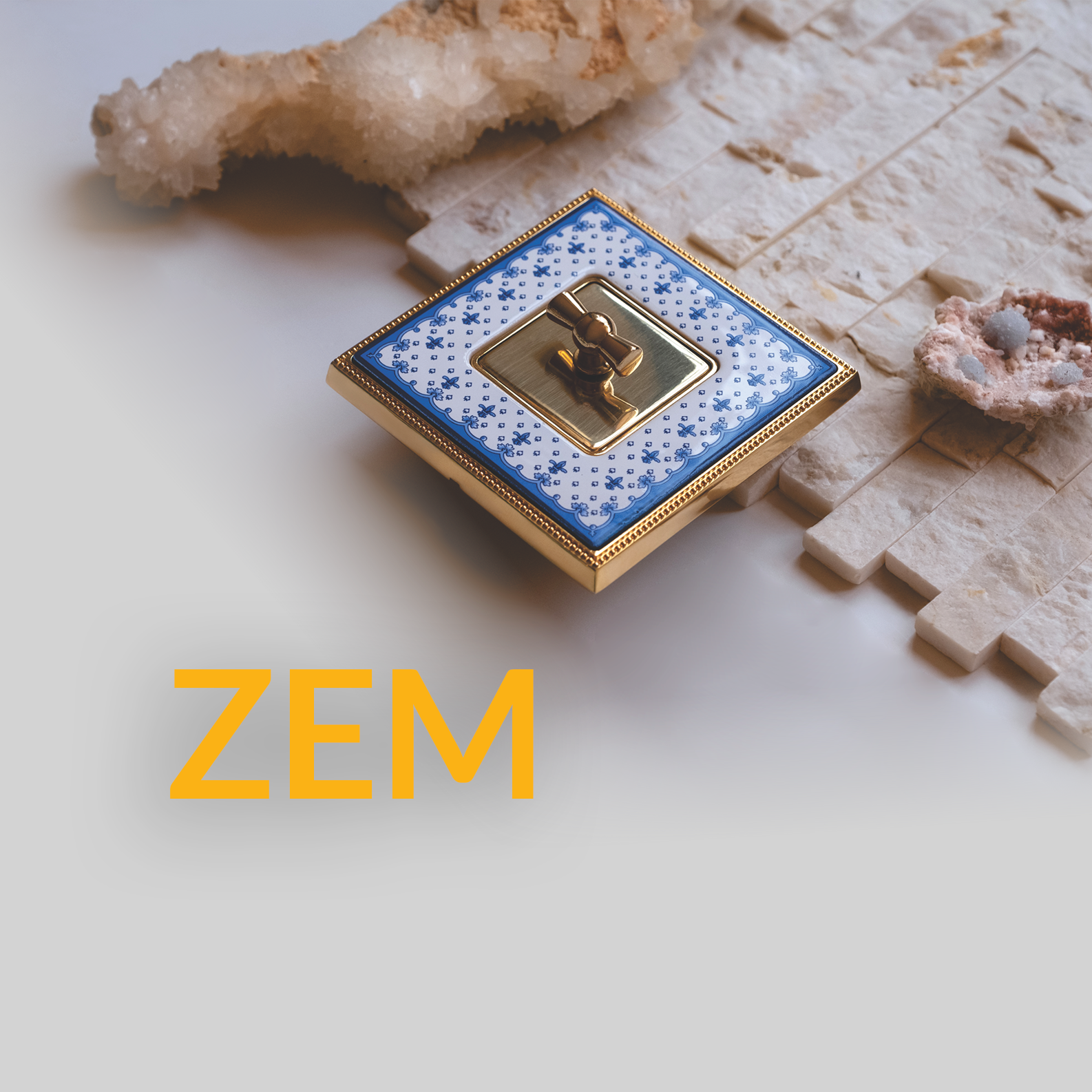
1. Origin and Philosophy of Mediterranean Style
Mediterranean interior design originates from the warm, sunny coasts of southern Europe—regions spanning Italy, Spain, Greece, Morocco, and southern France. These areas are defined by the deep blue sea, warm earth, golden sunlight, and constant sea breeze. People living in this climate draw inspiration from nature, aiming for homes that reflect tranquility, simplicity, and natural living.
In Mediterranean architecture, nothing feels artificial. This style is built around living in harmony with nature. Walls “breathe,” light flows freely, and colors echo the earth, sea, and sun. Houses are typically white or cream to reflect sunlight and remain cooler in summer. Ceilings are wooden or terracotta, windows are framed in wood or iron, and interiors are furnished simply yet authentically.
Unlike modern minimalist styles that focus on geometric perfection, Mediterranean homes are about life, emotion, and memory. Imperfections, warm colors, and details that tell stories are embraced rather than avoided.
2. Nature-Inspired Colors of the Mediterranean
Close your eyes and imagine the Mediterranean coast: you will see the core colors of this style—calm ocean blue, Greek white houses, earthy hills, olive green, and golden sunlight.
Colors in this style carry meaning. White represents purity and simplicity, blue conveys calmness and the sky, and warm tones like cream, beige, light brown, and olive bring the earth and nature indoors. Unlike modern design, which often relies on stark color contrasts, Mediterranean colors exist in gentle harmony.
-
Walls: Usually painted in chalky whites, ivory, or off-white.
-
Floors: Covered with terracotta or earthy ceramic tiles.
-
Furniture: Made from warm-toned natural woods.
-
Fabrics: In white, beige, and blue shades.
Occasionally, accent colors such as azure, mustard yellow, or turquoise are added through cushions, frames, or vases to bring life to the space without disrupting its calm.
3. Natural Materials and Textures
At the heart of Mediterranean design are natural, handcrafted materials. Every element should feel real, warm, and enduring. Glossy or artificial surfaces are avoided; everything should be tangible and alive.
-
Wood: Key element in ceiling beams, doors, windows, and furniture, conveying warmth and a rustic charm.
-
Stone: Stone walls or flooring maintain authenticity and coolness. Many traditional Mediterranean homes use hand-carved stone walls with lime mortar that absorbs heat during the day and releases it at night.
-
Metal: Handcrafted metals such as bronze, wrought iron, and brass are used in decorative details—lamp bases, door handles, or mirror frames—bringing historical authenticity.
-
Fabrics: Natural fabrics like linen, cotton, and hemp are used for curtains, cushions, and upholstery, allowing light to pass through and creating a soft, airy effect.
4. Role of Natural Light
Light is the beating heart of Mediterranean style. Sunlight is embraced rather than resisted in homes, and architects design to maximize its presence.
-
Windows: Large and often curtain-free to let light penetrate deep into the space.
-
Walls: White surfaces multiply natural light, brightening rooms.
-
Ceilings and corridors: Tall ceilings and open pathways help the free flow of light and air.
Light is not only functional but also aesthetic. The play of light and shadow on textured plaster or stone walls becomes part of the design. Even in dim spaces, mirrors and reflective surfaces are used to bounce light, and artificial lighting is chosen to mimic natural sunlight.
5. Form, Space, and Interior Architecture
Mediterranean homes feature organic, continuous spaces. Kitchen, dining, and living areas flow seamlessly, separated subtly by arches, soft curves, or level changes.
-
Ceilings: Usually high and adorned with wooden beams.
-
Floors: Natural stone or tile, keeping interiors cool.
-
Walls: Plastered, sometimes textured or patinated.
Spaces “breathe,” with room between elements and an absence of visual clutter. Furniture placement emphasizes sunlight or outdoor views rather than strict symmetry.
Exterior architecture features red terracotta roofs, arched windows, and iron balconies, combining functionality with aesthetic appeal.
6. Furniture and Decorative Details
Mediterranean furniture combines rustic simplicity with classic elegance. Forms are soft and human-centric, avoiding sharp or industrial lines. Furniture is typically warm-toned natural wood.
-
Tables and chairs: Often feature curved or carved legs.
-
Upholstery: Natural light fabrics such as linen.
-
Decor: Minimal but significant—large terracotta vases, bronze-framed mirrors, and sea-inspired paintings.
Handcrafted items are essential: ceramic dishes, wicker baskets, cotton rugs, and traditional textiles add warmth and authenticity.
7. Indoor-Outdoor Connection
A hallmark of Mediterranean style is the integration of indoor and outdoor living. Terraces, balconies, and courtyards extend interior spaces. Doors and windows often open directly to gardens or courtyards, letting in light and sea breezes.
Outdoor materials match interior textures for continuity. Terracotta pots, stone benches, and natural fabrics create a seamless link, making the home vibrant, luminous, and breathable.
8. Mediterranean Spirit in Modern Living
Although rooted in centuries-old traditions, Mediterranean style remains globally popular. It evokes what modern life often lacks: nature, light, simplicity, and tranquility.
By combining natural light, warm colors, wood, stone, and soft fabrics, Mediterranean design creates a space to relax, connect, and live in harmony with nature.
Mediterranean Interior Design; Sun, Sea, and Calm Living
Mediterranean design draws inspiration from Italy, Spain, Greece, Morocco, and other coastal cultures, blending vibrant natural colors, natural materials, and airy, calm spaces. Its simplicity conveys warmth, life, and positive energy.
Colors in Mediterranean Design
Key colors include ocean blue, sandy white, earthy beige, olive green, and golden sunlight—evoking calmness and natural harmony.
-
White and cream: Reflect light and form the base palette.
-
Azure and turquoise: Represent the sparkling Mediterranean waters, appearing in tiles, fabrics, or decorations.
-
Olive green: Symbolic of local olive trees, used in furniture or metal accents.
-
Golden and earthy tones: Add warmth and life.
Colors are natural and harmonious, never artificial or harsh.
Materials and Textures
Authenticity comes from natural materials:
-
Walls: Usually plastered or cement with a soft texture. Spanish or Moroccan tiles may be used.
-
Flooring: Travertine, stone-patterned ceramics, or handmade bricks. Luxurious homes may feature Roman-inspired blue and gold mosaics.
-
Wood: Ceiling beams and window or door frames in walnut or oak.
-
Metal: Iron or bronze in handles, lamps, and decorations for a historical feel.
Furniture and Decor
Furniture conveys coastal and rustic calmness. Wood pieces with simple designs and natural colors are standard. Wicker chairs, stone tables, linen or cotton upholstery, and colorful cushions are common. Nature-inspired decor such as olive plants, terracotta pots, iron chandeliers, mirrors, and colored glass is often incorporated.
Lighting in Mediterranean Design
Lighting is crucial, simulating sunlight and creating a natural, lively ambiance. Warm, soft, indirect lighting highlights textures.
Key features:
-
Natural light as the main source: Large windows, light curtains, and bright colors keep spaces sunlit.
-
Artificial light mimicking the sun: Warm white or soft golden tones replicate sunlight during evenings.
-
Multiple light sources:
-
Classic or rustic metal chandeliers
-
Wall lamps with colored or wrought-iron glass
-
Table lamps with wooden bases and fabric shades
-
Hidden ceiling or molding lights for warmth
-
-
Emphasis on shadow and texture: Light placement accentuates plaster and wood surfaces.
Switches and Sockets in Mediterranean Style
Switches and sockets are not merely functional—they contribute to decor. Proper choice ensures harmony with the space.
Design and Materials:
-
Bronze and brass: Popular for warm, matte finishes blending with plaster and wood textures.
-
Ceramic: White glossy switches with gold or cream edges suit bright, classical interiors.
-
Wood or wood-metal combos: Match rustic furniture and natural aesthetics.
Form and Details:
-
Lever (toggle) or rotary switches enhance nostalgic, traditional vibes.
-
Dimmer switches allow adjusting light levels: soft light at sunset, brighter illumination in the morning.
Practical Tips for Modern Mediterranean Homes
-
White walls, wooden beam ceilings, stone floors.
-
Maximize natural light with light curtains.
-
Use warm artificial lighting with metal or colored-glass fixtures.
-
Classic and luxurious switches and sockets (e.g., ZEMGROUP brass or lever models).
-
Highlight handcrafted details in decor.
Switches and Sockets: Small Details, Big Impact
In Mediterranean interiors, every element tells a story. Switches and sockets should align with the philosophy: natural, warm, simple, yet authentic.
Design and Form:
-
Soft curves, classic frames.
-
Lever switches for nostalgia and authenticity.
-
Rotary switches for variable lighting control.
-
Simple, rounded sockets complement wood or bronze finishes.
Materials:
-
Bronze and brass: Luxurious and warm.
-
Natural wood: Matches ceilings and rustic furniture.
-
Ceramic: White with gold or cream accents for Greek-style homes.
-
Patinated metals: Copper or matte gold for Spanish or Moroccan influences.
Color Coordination:
-
Warm, natural tones without artificial shine.
-
Blend with wall, door frames, and metal decor.
Lighting Coordination:
-
Dimmer switches for soft evening lighting.
-
Multi-gang switches for rooms with multiple light sources.
-
Smart switches with classic lever appearance (e.g., ZEMGROUP) combine traditional style with modern convenience.
Room-Specific Recommendations
Living Room / Lounge: Lever brass or wooden switches, coordinated sockets, dimmers for chandelier.
Kitchen: Moisture-resistant switches in cream or white ceramic; multi-function sockets (USB/USB-C); flush or pop-up sockets for islands.
Bedroom: Dimmer switches for bedside lamps; subtle sockets matching furniture; dual switches for ceiling and wall lights.
Bathroom: Moisture-protected (IP44+) switches and sockets; white ceramic models harmonizing with tiles.
Role of Luxury Brands
Brands like ZEMGROUP offer high-quality switches and sockets suited for Mediterranean interiors: lever switches in brass, wooden frames, patinated metals, and classic ceramic options.
Suggested Models:
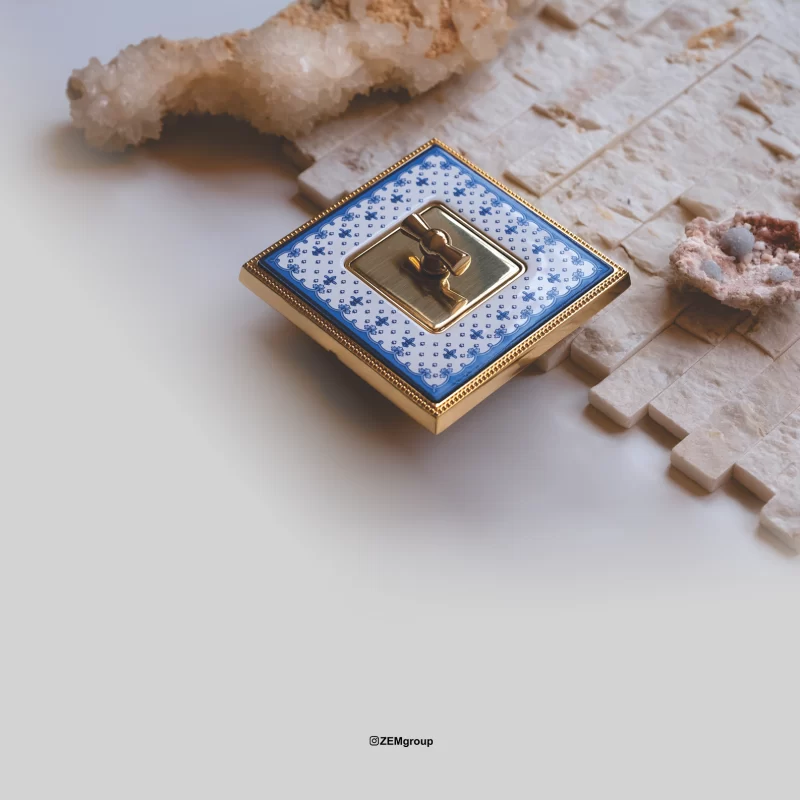
- Porcelain switch & socket
-
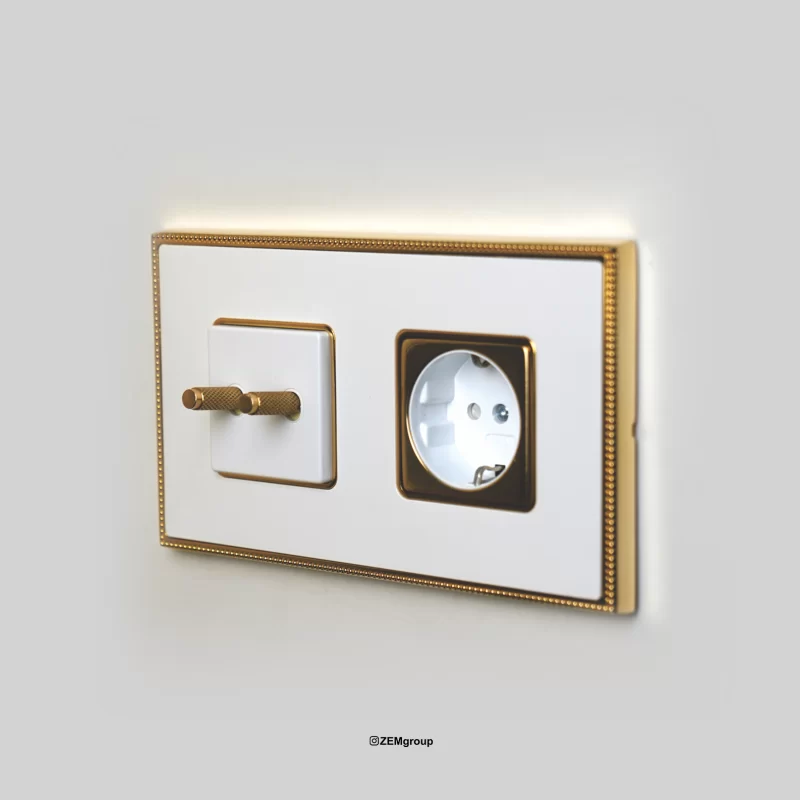
Metal wooden switch and socket
-
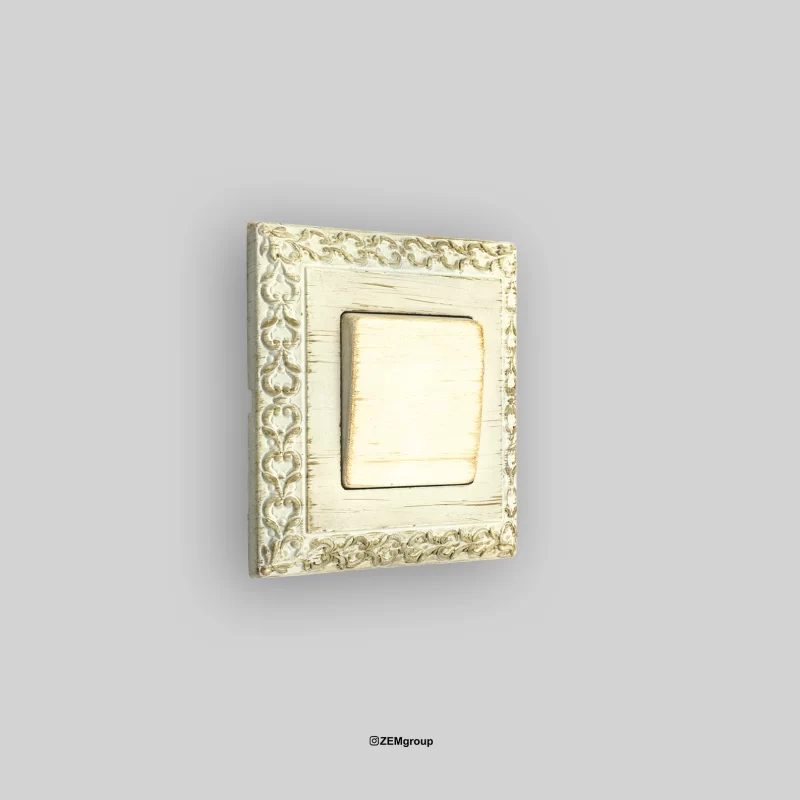
Provence patinated switch & socket
These combine beauty and durability for luxurious Mediterranean projects.
Installation and Placement
Correct installation affects aesthetics:
-
Mount switches flush with textured plaster or stone walls.
-
Use smaller, rounded frames around arches or curves.
-
Recommended heights: switches 110–120 cm, sockets 30–40 cm above the floor.
Switches and sockets are part of the story of light, warmth, authenticity, and nature in a Mediterranean home. Choosing them well distinguishes a simple decor from a truly Mediterranean space.
FAQs
-
Best switch/socket types for Mediterranean style?
Lever and rotary with brass, bronze, or wooden frames. Warm, natural tones like matte gold, light brown, or cream are ideal. -
Can smart switches be used?
Yes, if they have a classic appearance. ZEMGROUP produces lever-style smart switches compatible with Mediterranean interiors. -
How should switch/socket color be coordinated?
Match wall color, door frames, and metal accents. White/cream walls pair with bronze or matte gold; blue/olive walls pair with wood or bright brass. -
Matte or glossy?
Always matte and natural. Glossy surfaces feel cold and modern, clashing with warmth and textures. -
Can white switches be used?
Yes, especially for Greek-style or coastal Mediterranean homes—ceramic switches with gold or cream edges are harmonious. -
Best switches for Mediterranean lighting?
Dimmer switches for adjusting intensity; lever or rotary designs offer a traditional yet functional solution. -
Most durable materials, especially for humid areas?
Brass and ceramic. Brass resists corrosion; ceramic combines beauty and durability. Wooden frames suit drier rooms. -
Standard installation height?
Switches: 110–120 cm, sockets: 30–40 cm. Install slightly below eye level for a natural look. -
Can combination sockets (power + USB) be used?
Yes, if the appearance matches traditional style. ZEMGROUP offers USB-enabled sockets with classic bronze or wood frames. -
How to choose the right switch/socket?
-
Natural color and material: bronze, wood, or ceramic
-
Classic or lever form: avoid modern/glossy
-
Coordination with light and furniture: should blend seamlessly with decor
-

