


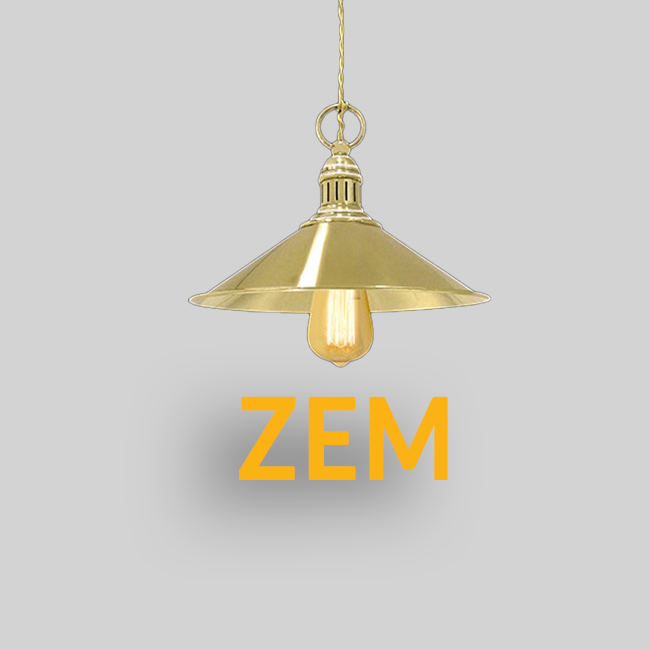
Lighting in cafés goes beyond simply illuminating the area; the chosen lighting can influence customer behavior, dwell time, perception of food and beverage quality, and even their willingness to pay higher prices. Therefore, lighting design should be goal-oriented, layered, and aligned with the brand identity.
Key Points to Consider in Every Café Lighting Plan:
-
Chandeliers and ceiling lights convey the brand message instantly — industrial and rugged, warm and cozy, or luxurious and elegant. Choosing the right chandelier means communicating brand identity through light and form.
-
Layered lighting uses multiple light types together to make the space both functional and visually appealing. In this approach:
-
Ambient lighting provides overall illumination.
-
Task lighting is used for activities like working at tables or serving food.
-
Accent lighting highlights specific décor elements such as artworks or shelves.
-
-
Color Temperature:
-
Warm light ≈ 2700–3000K: Suitable for cozy cafés — promotes intimacy, reduces stress, and increases dwell time.
-
Neutral white ≈ 3500K: Suitable for mixed-use spaces — modern yet welcoming.
-
Cool white ≈ 4000K+: For energetic areas or service zones requiring clear detail.
-
-
Color Rendering Index (CRI): For accurate color representation of food, froths, and materials, a CRI of 80–90 is recommended; for luxury cafés or highlighting food, choose CRI ≥ 90.
-
Adjustability & Control: Using dimmers, lighting scenes, and smart/touch switches allows you to adapt lighting throughout the day — e.g., brighter in the morning, warmer and softer in the evening.
-
Maintenance & Energy Efficiency: Choose chandeliers and ceiling lights with LED over incandescent options, long lifespan, stable lighting, and low energy consumption.
-
Zoning: Divide the café into zones: entrance, service, bar, two-person tables, and study corners. Design a separate lighting plan for each zone. Chandeliers usually act as focal points for seating areas, while ceiling lights provide general illumination.
Industrial-Style Chandeliers: Design & Implementation Guide
Industrial-style chandeliers are among the most popular choices for urban and minimalist cafés. “Industrial” is not just about appearance — function and scale are critical.
Design Specifications & Materials:
-
Common materials: steel, iron, aged brass
-
Lamp types: Edison bulbs or vintage LED filaments for warm, nostalgic ambiance; LED filament bulbs with high CRI for longevity and low energy use.
-
Shapes: single pendant, clustered pendants, track pendants, or bowl-shaped ceiling lights
Dimensions & Mounting Guidelines:
-
Height above tables: 65–90 cm from tabletop center to lamp center for standard ceiling heights (~2.7–3.0 m); taller ceilings may allow slightly more distance.
-
Spacing between pendants: 60–90 cm center-to-center in linear arrangements, depending on pendant diameter.
-
Chandelier size: 20–40 cm diameter for small tables; wider or multi-pendant chandeliers for shared tables or bars.
Illumination & Lux Levels:
-
Task lighting for tables: 100–300 lux typical; service counters ≈ 300–500 lux.
-
Recommended color temperature: 2200–2700K warm for cozy industrial ambiance; 2700–3000K for brighter industrial settings.
Combining with Ceiling & Supplementary Lighting:
-
Layered lighting: industrial chandelier as decorative focal light + recessed ceiling lights or LED panels for ambient light; prevents harsh shadows.
-
Luxurious halogen fixtures or track lights can accentuate shelves or wall menus.
Integration with Switches & Sockets:
-
Modern switch and socket panels complement the contemporary industrial style — matte black or dark brass frames are harmonious.
-
Dimmable or smart switches are essential to adjust lighting scenes for morning/afternoon/evening; touch or smart controls allow quick environment changes.
Practical & Cost Considerations:
-
Metal or clustered pendants require secure ceiling mounts and accessible maintenance.
-
LED Edison bulbs reduce electricity costs and avoid frequent filament replacement.
Example Applications:
-
Above service counters: row of 3–5 small industrial pendants, 75–85 cm above counter, complemented by recessed ceiling lights.
-
Two-person tables: single pendant per table, 70–80 cm spacing, warm light for cozy ambiance.
-
Shared seating: clustered pendants as a central focal point.
Wooden Chandeliers for Cozy, Intimate Cafés
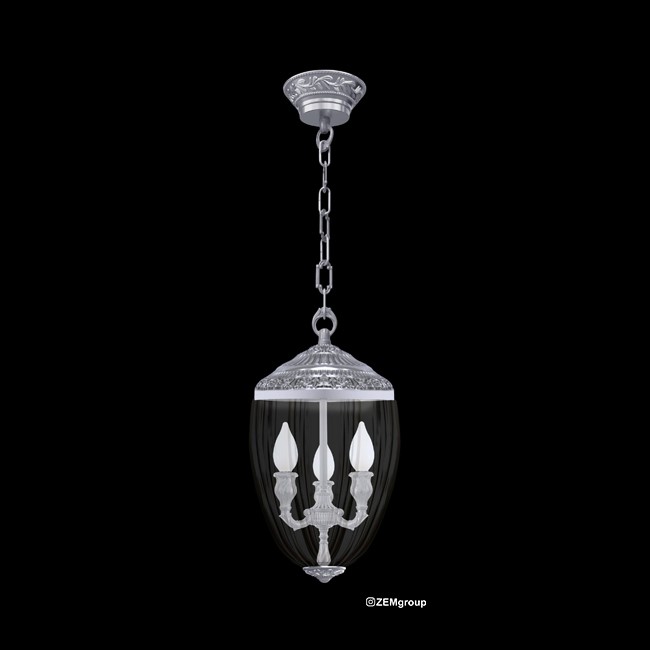
Wooden chandeliers instantly introduce warmth, calmness, and a friendly vibe. They are ideal for cafés aiming for a homey environment that encourages customers to stay longer.
Design Features & Materials:
-
Natural or treated wood: oak, walnut, bamboo, or MDF with natural veneer
-
Material combinations: wood + black or brass metal, or wood + frosted glass for balance between tradition and modernity
-
Forms: simple pendant, branch-inspired natural shapes, geometric or cubic for modern interiors
Spatial Psychology:
-
Warm 2700K light combined with wood creates a relaxing, natural feel.
-
Encourages longer customer stays and leisurely beverage consumption.
-
Works well with brick walls or indoor greenery for an organic, appealing look.
Installation Principles & Dimensions:
-
Small two-person tables: 25–35 cm diameter
-
Shared tables or central hall: larger branch-style or linear wooden chandeliers
-
Mounting height: 65–90 cm above table surface
Ceiling Lighting Coordination:
-
Wooden chandeliers provide main and decorative lighting; recessed or inbuilt ceiling lights prevent dark shadows.
-
Wooden or brass halogen trims complement the chandelier style.
Switch & Socket Integration:
-
Classic lever switches or modern frames with wood/brass complement the cozy aesthetic.
-
Dimmers or smart systems allow day/night lighting scenarios.
Practical Examples:
-
Rustic cafés: wooden ceiling + branch-style wooden chandelier + wall sconces with wooden bases
-
Green/organic cafés: simple wooden pendant + indoor plants and handmade furniture
-
Modern-rustic hybrid: wicker chandelier with geometric shape + recessed ceiling and external halogens
Advantages & Disadvantages:
-
Pros: Natural and cozy feel, harmonious with wood and plants, soft diffused light, blends with modern style
-
Cons: Less moisture-resistant, requires more regular cleaning, sometimes heavier
Crystal Chandeliers for Luxury & Unique Cafés
For cafés aiming to convey elegance, glamour, and sparkle, nothing rivals a crystal chandelier. These not only provide light but serve as a dazzling centerpiece, drawing customer attention.
Design Features & Materials:
-
Cut crystals: Swarovski or simpler glass options
-
Metal structure: brass, polished nickel, or golden steel
-
Forms: branch-style classic, modern circular or rectangular, droplet or spiral for high ceilings
Spatial Psychology:
-
Light reflection from crystals creates a luxurious, sparkling environment
-
Encourages customers to perceive the café as premium and special
-
Often increases willingness to pay and enhances the experience
Installation Principles & Dimensions:
-
High ceilings (>3 m): large crystal chandeliers
-
Small spaces: linear or wall-mounted crystal fixtures as complementary
-
Mounting height: 2.2–2.5 m from floor to chandelier bottom
Ceiling Lighting Coordination:
-
Combine with recessed or halogen lights to prevent harsh shadows
-
Gold or silver halogen trims enhance crystal reflections
Switch & Socket Integration:
-
Luxurious crystal, glass, or metallic switch panels
-
Touch or dimmer crystal switches for intensity control, adjusting ambiance throughout the day
Example Applications:
-
5-star hotel cafés: large central crystal chandelier + recessed surrounding lighting
-
Luxury shopping center cafés: linear chandelier above counter + wall-mounted crystal lights
-
Romantic spaces: circular crystal chandelier with warm light
Advantages & Disadvantages:
-
Pros: Luxurious appearance, beautiful light reflection, long lifespan if high-quality
-
Cons: Heavy, requires professional installation, difficult cleaning, higher cost
Wicker & Wooden Chandeliers for Rustic & Natural Cafés
Rustic and natural styles are increasingly popular, emphasizing simplicity, nature, and organic materials. Wicker and wooden chandeliers are key elements in these designs.
Design Features & Materials:
-
Natural wicker or lightweight wood: bamboo, rattan, or rope
-
Simple organic forms: gentle geometric, ring, or cluster shapes
-
Material combinations: occasionally wood/wicker + matte metal or brass for durability
Spatial Psychology:
-
Soft, diffused lighting fosters relaxation and closeness to nature
-
Encourages longer customer stays for reading or resting
-
Earth tones combined with indoor plants enhance the natural feel
Installation Principles & Dimensions:
-
Two-person or small tables: single-ring pendants, 25–35 cm diameter
-
Large halls/shared tables: cluster pendants or multi-pendant setups, 65–90 cm above table
-
Tall ceilings: longer pendants for dramatic effect
Ceiling Lighting Coordination:
-
Wicker chandeliers provide decorative, diffused light; ambient lighting supplemented by recessed or halogen lights
-
Modern ceiling halogens or luxury trims provide functional illumination without overpowering the natural feel
Switch & Socket Integration:
-
Classic or brass switches harmonize with wooden/wicker chandeliers
-
Dimmers or smart controls enable day/night lighting scenarios
Example Applications:
-
Traditional rustic cafés: wooden ceiling + cluster wicker chandelier + brass or wooden wall sconces
-
Green/organic cafés: simple wooden chandelier with plants and light furnishings
-
Modern-rustic hybrid: geometric wicker chandelier + recessed lighting + halogens
Advantages & Disadvantages:
-
Pros: Natural, cozy ambiance; soft diffused light; compatible with wood and plants; blends with modern style
-
Cons: Less moisture-resistant; requires regular cleaning; heavier in some models
Minimalist Chandeliers for Small, Modern Cafés
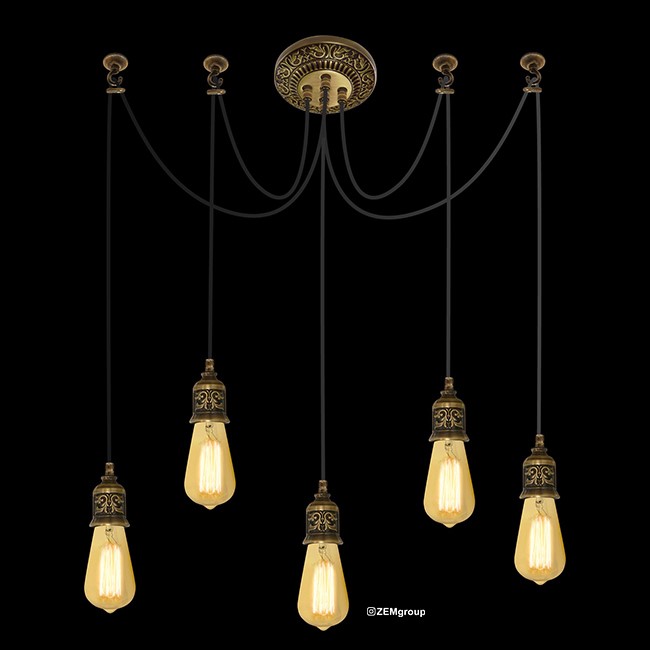
Minimalist designs are ideal for small, modern cafés, offering open, clean, and stylish spaces. Simple geometric lines create a spacious feel.
Design Features & Materials:
-
Simple geometric shapes: circular, rectangular, linear, or multi-pendant
-
Lightweight modern materials: matte metal, aluminum, steel, frosted glass
-
Color palette: white, black, gray, gold, or copper for neutral, harmonious aesthetic
Spatial Psychology:
-
Soft, uniform lighting makes small spaces appear larger
-
Clean lines emphasize interior design and furniture
-
Attracts young professionals and modern design enthusiasts
Installation Principles & Dimensions:
-
Pendant height: 60–80 cm above tables; longer for open spaces
-
Size & number: small or multiple pendants maintain open feel
-
Spacing: 50–70 cm between linear or cluster pendants
Ceiling Lighting Coordination:
-
Acts as focal or decorative lighting; ceiling lights provide ambient illumination
-
Luxury or simple trim complements minimalist design
Switch & Socket Integration:
-
Modern, simple switches best suited; neutral colors harmonize with chandelier
-
Dimmers or smart switches allow adjustment for different times
Example Applications:
-
Small urban cafés: multiple minimalist pendants over two-person tables
-
Shared spaces: linear minimalist chandelier above counter or long table
-
Modern minimalist cafés: single-color pendants + external trims + modern switches
Advantages & Disadvantages:
-
Pros: Space-feeling enhancement, uniform modern light, complements minimalist décor, cost and space efficiency
-
Cons: Less decorative impact compared to crystal or industrial chandeliers; must combine with ambient lighting
Supplementary Lighting Equipment for Cafés: Coordinating Chandeliers and Ceiling Lights
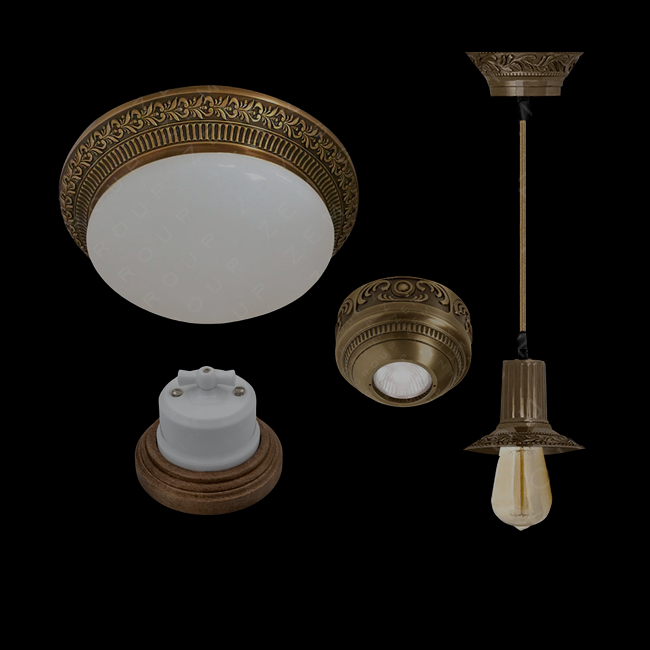
Selecting a chandelier alone is not enough. Supplementary lighting — ceiling lights, halogens, wall sconces, and appropriate switches — is essential for functional and aesthetic lighting.
Ceiling Lights:
-
Provide general illumination for staff and customer movement
-
Soft, diffused lighting complements chandeliers and reduces harsh shadows
-
In modern designs, simple or luxurious trims create a professional look
-
In luxury or crystal settings, neutral or warm-white lights enhance chandelier sparkle
Halogens & Halogen Trims:
-
Spotlights or accent lights illuminate tables, counters, or artworks
-
Luxury or brass trims integrate with main chandelier
-
External or recessed halogens combined with wood, crystal, or industrial chandeliers create layered lighting
Switches & Sockets:
-
Luxurious, smart, or custom switches enhance control and visual harmony
-
Dimmers or touch controls adjust chandelier and ceiling lighting intensity
-
Proper switch and socket choice ensures balanced, pleasant lighting throughout
Layered Lighting Combination:
-
Chandelier: decorative, focal light
-
Ceiling lights: general, uniform illumination
-
Halogens/wall lights: accent lighting for tables, counters, and décor
-
Appropriate switches: intensity control and day/night lighting scenarios
Color Coordination with Décor:
-
Wooden/wicker chandeliers: warm yellow light for cozy rustic spaces
-
Crystal chandeliers: neutral/warm white for luxurious sparkling effect
-
Minimalist chandeliers: neutral or natural white for modern, small spaces
-
Ceiling lights and halogens should match chandelier color temperature
Supplementary Equipment Considerations:
-
Quality and durability: trusted brands ensure long-lasting beauty
-
Décor compatibility: lighting should match modern, luxury, cozy, or rustic styles
-
Adjustable intensity: dimmers or smart systems maintain optimal lighting throughout the day
-
Ambient lighting complement: halogens and ceiling lights should enhance rather than compete with chandelier light
Frequently Asked Questions (FAQs) about Café Chandeliers and Ceiling Lights
1. What is the best type of chandelier for small cafés?
Minimalist chandeliers with simple lines are ideal. They provide sufficient illumination while making the space feel larger.
2. Can crystal chandeliers be used in modern cafés?
Yes. Crystal chandeliers with warm or neutral white light add luxury and can be combined with recessed ceiling lights for balanced illumination.
3. What role do ceiling lights and halogens play alongside chandeliers?
Chandeliers provide decorative, focal lighting, while ceiling lights and halogens supply ambient and accent light, preventing harsh shadows.
4. What types of switches and sockets work best with chandeliers and ceiling lights?
Luxury, classic, or smart switches are recommended. Dimmers or touch controls allow intensity adjustment and visual harmony with the chandelier.
5. How to choose the color temperature for café chandeliers and ceiling lights?
-
Cozy/rustic spaces: Warm White
-
Luxury/crystal cafés: Neutral or Warm White
-
Modern/minimalist cafés: Neutral or natural white
6. Are wooden or wicker chandeliers suitable for open or green cafés?
Yes, they provide diffused soft light and harmonize with indoor plants and simple furniture.
7. How to combine chandeliers, ceiling lights, and halogens?
Use the chandelier for focal/decorative lighting, ceiling lights for ambient illumination, halogens for accent lighting, and suitable switches for intensity control — creating a professional layered lighting setup.

