


The right lighting can make a room feel larger, warmer, calmer, or more functional. Choosing ceiling lights, wall lights, table lamps, floor lamps, and bedside lamps based on room size not only enhances visual appeal but also affects the room’s functionality, energy consumption, and residents’ comfort. In this guide, our goal is to provide a practical, actionable approach to help you select the best lighting combination for every room size—small, medium, or large.
Room Size: The First Consideration
The first factor to consider is room size. The size of the room determines the amount of light needed (lumens), the appropriate type of fixture, and how lighting sources should be distributed. For example, a very bright ceiling light in a small room may cause glare and discomfort, while a small chandelier in a large hall will not provide enough illumination.
Besides room size, other factors such as ceiling height, wall and floor colors, and interior design style also influence the choice of lighting.
Focus on Five Main Lighting Types
This article focuses on the five lighting types most commonly used in homes:
-
Ceiling Lights – from flat panels and recessed downlights to multi-arm chandeliers
-
Wall Lights – accent lights, hallway fixtures, and wall washers
-
Table Lamps – for reading or work
-
Floor Lamps – decorative elements that soften light
-
Bedside Lamps – for reading, soft night lighting, and décor
The Role of Room Size in Home Lighting
Room size is the starting point for lighting design. Without knowing the square footage, selecting ceiling, wall, or even table lamps becomes arbitrary. Room size determines how many light sources you need, their intensity, and which combination of general, task, and decorative lighting works best.
1. Calculating Lumens by Room Size
A general rule is 100–200 lumens per square meter:
-
10 m² room → 1,000–2,000 lumens
-
20 m² room → 2,000–4,000 lumens
-
40 m² hall → 4,000–8,000 lumens
These numbers help decide whether a single ceiling light is sufficient or if additional wall lights, floor lamps, or table lamps are needed.
2. Categorizing Rooms by Size
For simplicity, spaces can be divided into three categories:
-
Small Rooms (up to 12 m²): Require uniform, soft lighting. Here, a ceiling light or recessed downlights are usually enough. Additional table lamps or floor lamps can provide extra light if needed.
-
Medium Rooms (12–20 m²): A combination of ceiling lights + wall or table lamps is essential. One central light is usually insufficient.
-
Large Rooms (over 20 m²): Require complete layered lighting: ceiling lights for general illumination, wall lights to eliminate shadows, and floor/table/bedside lamps for comfort and design.
3. Ceiling Height
Along with room size, ceiling height is important. A 15 m² room with a 3.5 m ceiling requires more light than the same room with a 2.8 m ceiling. In taller rooms, the main ceiling light should either be more powerful or replaced with multi-arm chandeliers to ensure light reaches the floor.
4. Wall and Décor Colors
Wall and floor colors play a decisive role. Light colors (white, cream) reflect light, reducing the need for additional fixtures. In darker interiors, the same square footage requires more lighting sources.
5. Why Room Size Affects Secondary Lighting Choices
In a small room, table lamps or bedside lamps may be mostly decorative. In a large room, the same fixtures are essential to balance lighting and eliminate shadows. Therefore, lamp selection should always consider room size and function.
Choosing Ceiling Lights Based on Room Size
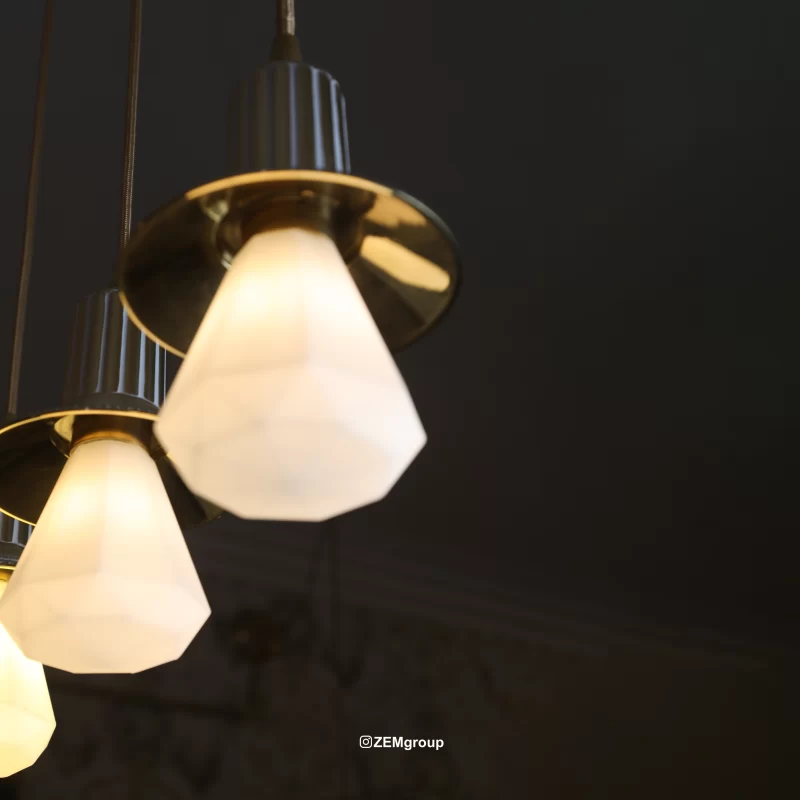
As the main source of light, ceiling lights play a key role in both illumination and aesthetics. Choosing the right ceiling light based on room size ensures both functional brightness and harmony with the décor.
Small Room (up to 12 m²):
-
Type: Flat LED panel, recessed downlights, or simple ceiling lights with soft light
-
Recommended Lumens: 1,000–2,000
-
Practical Tips:
-
Slim, recessed fixtures make the space feel larger.
-
Avoid direct glare; use diffused or soft lighting.
-
Example: 10 m² bedroom → one 20×20 cm LED panel or two 50W recessed downlights.
-
Medium Room (12–20 m²):
-
Type: Central ceiling light combined with corner recessed lights, small chandelier, or large LED panel
-
Recommended Lumens: 2,000–4,000
-
Practical Tips:
-
One central fixture may not provide uniform light; add recessed or supplementary lights.
-
Use a dimmer or smart switch to adjust brightness for different activities (work, rest, reading).
-
Example: 18 m² living room → one 45 cm diameter LED ceiling light + four recessed corner lights.
-
Large Room (20 m²+):
-
Type: Multi-arm chandelier or large ceiling light, plus recessed or supplementary LED panels
-
Recommended Lumens: 4,000–8,000
-
Practical Tips:
-
Combine general and task lighting to eliminate shadows and create layered light.
-
High ceilings may prevent the main ceiling light from illuminating the floor adequately; use chandeliers or extra panels.
-
Example: 30 m² hall with 3.5 m ceiling → one large 8-arm chandelier + six recessed lights creates balanced, decorative lighting.
-
Choosing Wall Lights Based on Room Size
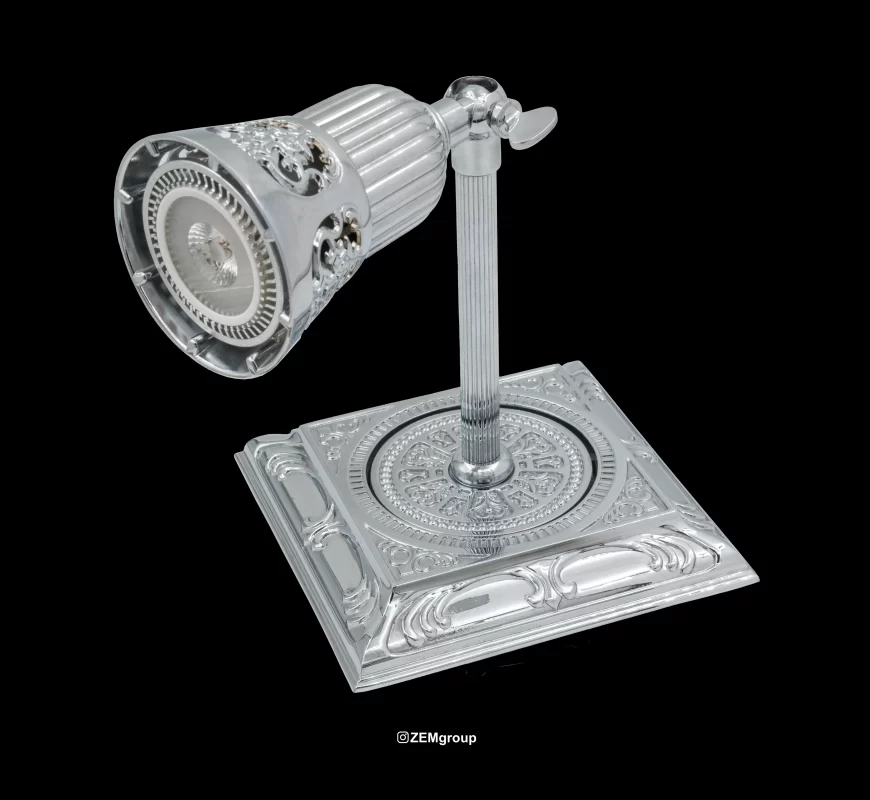
Wall lights are key elements of layered lighting, balancing general illumination while enhancing décor. Choosing wall lights based on room size ensures proper combination of ambient and task lighting.
Small Room (up to 12 m²):
-
Type: Slim wall lights, small wall washers, or LED accent lights
-
Lumens: 200–500
-
Tips:
-
Mainly supplementary to create depth on walls.
-
Mount near the bed or in corners for diffused light.
-
Example: small LED wall light next to bed provides enough reading light without turning on the ceiling light.
-
Medium Room (12–20 m²):
-
Type: Decorative wall lights, medium wall washers, or accent lights for artwork
-
Lumens: 400–800
-
Tips:
-
Use with ceiling lights for layered lighting.
-
Mount at 1.5–1.7 m height for even distribution.
-
Example: 15 m² living room → two wall lights beside sofa with dimmer creates even, cozy illumination.
-
Large Room (20 m²+):
-
Type: Large wall lights, multiple wall washers, or multi-arm decorative fixtures
-
Lumens: 800–1,500
-
Tips:
-
Crucial for filling shadows and balancing ceiling light.
-
Combine with floor and table lamps for ambient, layered lighting.
-
Example: 30 m² hall → four LED wall lights + two wall washers for full, decorative lighting.
-
Additional Tips:
-
Light color: warm (2,700–3,000 K) for bedrooms; soft white for living/work areas
-
Adjustable angles allow targeted lighting
-
Coordinate with furniture, wall color, and ceiling fixtures
-
Use dimmers or smart switches for convenience
Choosing Table Lamps and Floor Lamps Based on Room Size
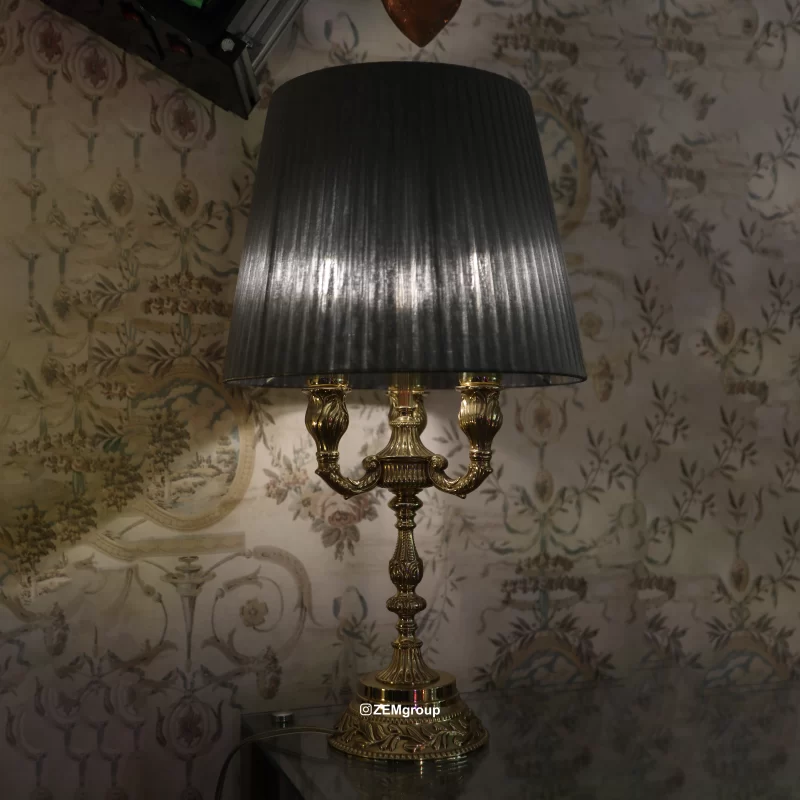
Table lamps and floor lamps provide functional and decorative lighting, complementing ceiling and wall lights. Their size, lumen output, and placement should align with room size.
Small Room (up to 12 m²):
-
Type: Small table lamp, short floor lamp, or small wall fixture
-
Lumens: 150–300
-
Tips:
-
Mostly decorative, soft lighting
-
Placing a floor lamp in a corner creates ambient light
-
Example: small bedside lamp or desk lamp for reading without ceiling light
-
Medium Room (12–20 m²):
-
Type: Medium table/floor lamp for desk, bedside, or side table
-
Lumens: 300–600
-
Tips:
-
Provides task lighting for work or reading
-
Use diffusers to prevent glare
-
Example: 15 m² bedroom → one desk lamp + one bedside lamp for balanced light
-
Large Room (20 m²+):
-
Type: Large table/floor lamps, multiple lamps throughout the room
-
Lumens: 600–1,200
-
Tips:
-
Essential for layered lighting and shadow elimination
-
Combine multiple lamps with ceiling and wall lights for complete coverage
-
Example: 30 m² living room → two table lamps + one floor lamp complement ceiling lighting
-
Additional Tips:
-
Light color: warm (2,700–3,000 K) for relaxation, soft white for study
-
Size and height should match table or furniture
-
Style should coordinate with overall interior
-
Adjustable or smart lamps enhance functionality
Choosing Bedside Lamps Based on Room Size
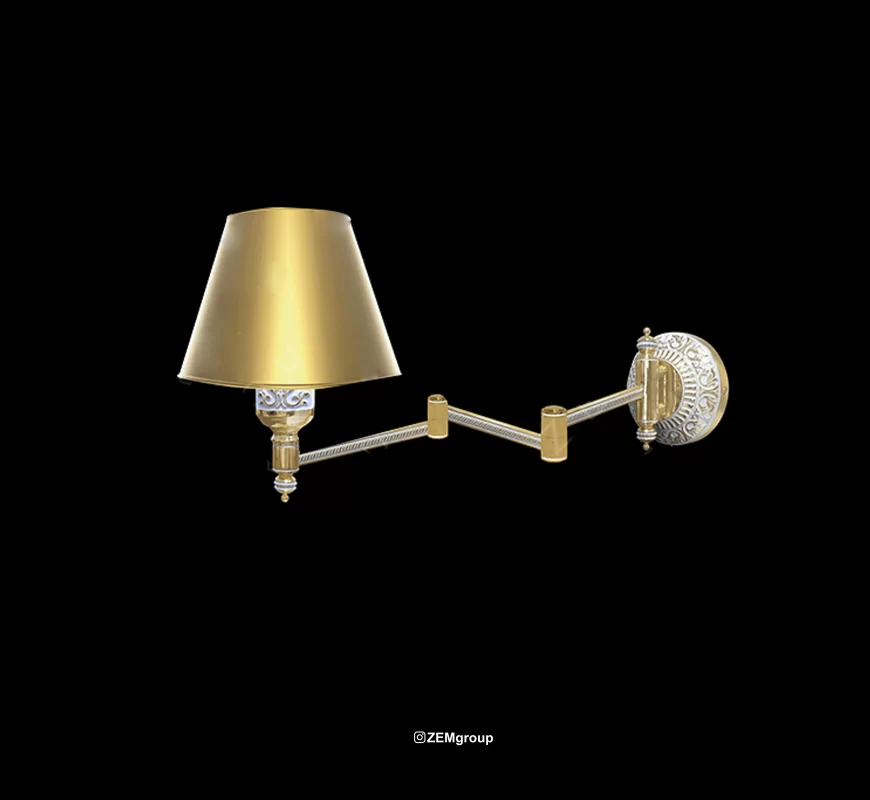
Bedside lamps are key for task lighting, décor, and creating a relaxing atmosphere. Proper bedside lamp selection prevents glare and shadows while ensuring comfort.
Small Room (up to 12 m²):
-
Type: Small wall or table lamp with soft light
-
Lumens: 150–300
-
Tips:
-
Soft, non-glaring light for sleep
-
Wall-mounted lamps save space
-
Example: small LED wall lamp with opaque shade for reading without ceiling light
-
Medium Room (12–20 m²):
-
Type: Medium bedside lamp, adjustable if possible
-
Lumens: 300–600
-
Tips:
-
Adjustable lamps allow soft light for rest or bright light for reading
-
Combine with table/floor lamps for balanced lighting
-
Example: 15 m² bedroom → two adjustable bedside lamps provide even, relaxing illumination
-
Large Room (20 m²+):
-
Type: Large bedside lamps or multiple fixtures
-
Lumens: 600–1,200
-
Tips:
-
Coordinate with ceiling and wall lights for full layered lighting
-
Decorative multi-arm or luxury designs add aesthetic appeal
-
Example: 25 m² bedroom → two large table lamps + adjustable wall lights for reading and ambiance
-
Additional Tips:
-
Mounting height: light should not shine directly into eyes but illuminate book/table surface
-
Light color: warm (2,700–3,000 K) for nighttime relaxation
-
Dimmable or smart lamps improve convenience
-
Coordinate style with chandelier, floor lamps, and wall colors
Lumen Reference Table
| Lumens | Lamp Type | Approx. Wattage | Practical Example |
|---|---|---|---|
| 150–300 | Small table lamp or floor lamp | LED 5–7 W | Bedside or small desk lamp |
| 200–500 | Small wall light or wall washer | LED 5–10 W | Bedside wall lamp or corner accent |
| 1,000–2,000 | Small ceiling LED panel or recessed downlight | LED 15–25 W | 10–12 m² bedroom ceiling light |
| 2,000–4,000 | Large LED panel, small chandelier, or recessed combo | LED 25–50 W | 12–20 m² medium room, small to medium living room |
| 4,000–8,000 | Multi-arm chandelier or large ceiling light + recessed | LED 50–100 W | 20 m²+ large hall, general + decorative light |
| 600–1,200 | Large table/floor lamp or large bedside lamp | LED 15–25 W | Large room or luxury bedroom for reading/decoration |
Common Mistakes and How to Avoid Them
-
Incorrect ceiling light wattage or lumens:
-
Mistake: Too weak for a large room or too strong for a small room
-
Solution: Follow room size and lumen guide; add supplementary lamps if needed
-
-
Ignoring layered lighting:
-
Mistake: Only one ceiling light without wall or table lamps
-
Solution: Combine general, task, and decorative lighting
-
-
Glare from direct light:
-
Mistake: Fixtures without diffusers or with direct light
-
Solution: Use LED lights with shades, diffusers, or adjustable angles
-
-
Wrong light color:
-
Mistake: Cool light in bedroom or very warm light in study
-
Solution: Bedrooms 2,700–3,000 K; living 3,500–4,500 K; study/work 4,000–5,000 K
-
-
Mismatch with interior style:
-
Mistake: Modern lights in classic room or vice versa
-
Solution: Match fixture style with room décor
-
-
Improper installation height/location:
-
Mistake: Wall lights or chandeliers too low or high
-
Solution: Wall lights 1.5–1.7 m from floor; bedside lamps at table/bed height
-
-
No brightness control:
-
Mistake: All lights only on one intensity
-
Solution: Use dimmers or smart lamps for flexible lighting
-
FAQ
1. How does room size affect lighting choices?
Room size determines lumens, number of lights, and fixture type. Small rooms need soft light with fewer fixtures; large rooms require uniform light, multiple sources, and supplementary lamps.
2. What is the difference between ceiling, wall, and table lamps?
-
Ceiling lights: general illumination
-
Wall lights: decorative and accent lighting
-
Table/floor lamps: task lighting for reading or relaxation
-
Bedside lamps: combination of reading and soft nighttime lighting
3. How many lumens are needed for different room sizes?
-
Small room: 1,000–2,000 lumens
-
Medium room: 2,000–4,000 lumens
-
Large room: 4,000–8,000 lumens
4. What is the best color temperature for a bedroom?
Warm light between 2,700–3,000 K is recommended for nighttime relaxation.
5. Are dimmers and smart lamps necessary?
Not essential, but they allow adjusting light intensity for different activities and times of day, improving convenience.
6. How can I create proper layered lighting?
Combine ceiling lights for general illumination, wall lights or wall washers for accent lighting, and table/floor/bedside lamps for task lighting.
7. Does lamp type matter with interior style?
Yes, lamps should match the room’s overall style to achieve a cohesive, visually pleasing look.

