
Articles

Installation and Choosing the Best Models from Single-Gang to Five-Gang

When it comes to interior design and equipping a home or workplace, small and seemingly simple details have the greatest impact on the beauty and functionality of a space. Multi-gang switch and socket panels are one of these details, which, besides organizing walls, make usage easier and enhance the safety of the electrical system. Instead of using multiple separate boxes and switches or sockets, all of them can be installed in a single, stylish, and integrated multi-gang panel.

Today, reputable brands such as ZEM Group offer single-gang, double-gang, triple-gang, four-gang, and even five-gang switches and sockets, meeting all needs in various spaces. These panels are produced in modern, classic, rocker, dimmer, rotary, and smart designs to match any interior décor.

Moreover, installing and boxing a multi-gang switch and socket panel requires precision and adherence to technical standards. Choosing the correct number of gangs, installation type (flush-mounted or surface-mounted), and even the material of the frame all affect the final quality and durability. Therefore, being familiar with installation tips and selecting the right multi-gang panel can prevent future problems and provide a luxurious, professional look to the environment.

In this article, we will comprehensively introduce different types of multi-gang switch and socket panels, installation and boxing methods, their applications in various spaces, and key points for selecting the best models.

What is a Multi-Gang Switch and Socket Panel?

A multi-gang switch and socket panel is essentially an integrated set of multiple switches or sockets. Instead of installing each switch or socket in separate boxes, they are all placed together in a single, organized frame. These panels can include light switches, power sockets, telephone sockets, network sockets, air conditioner switches, or even smart switches, depending on the user’s needs, all combined in one multi-gang frame.

The main advantage of a multi-gang panel is better space management and creating harmony in interior design. Imagine, instead of multiple separate frames on the wall, all switches and sockets are placed neatly in one organized panel. This not only prevents clutter but also gives a neat and luxurious look to the environment.

These panels are generally designed in different gang numbers:

  • ONE-gang light switchpanel: For installing a single switch or socket.
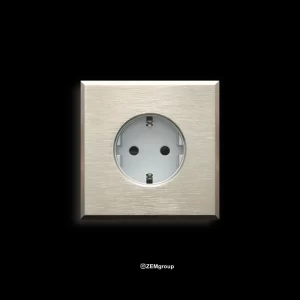
  • TWO-gang light switchpanel: The simplest multi-gang type with two mechanisms (switches or sockets) in one unit. This is especially useful in small spaces or where few electrical devices are used. For example, in a small room, a TWO-gang light switchpanel can control a light and another electrical device like an air conditioner or charger simultaneously.
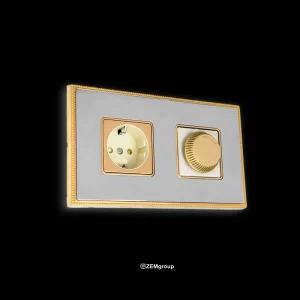
  • THREE-gang light switch panel: Includes three spaces for switches or sockets, commonly used in larger rooms or where simultaneous control of multiple devices is needed. For example, in a living room, you might need to independently control ceiling lights, wall lights, and an audio system.
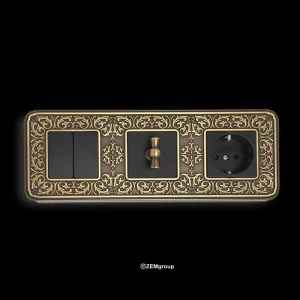
  • FOUR-gang light switchpanel: Usually installed where more devices need to be controlled. Often used in kitchens, large halls, or offices. For example, in a modern kitchen, a FOUR-gang light switchpanel can control ceiling lights, a chandelier, under-cabinet lighting, ventilation, and a device like a refrigerator or microwave.
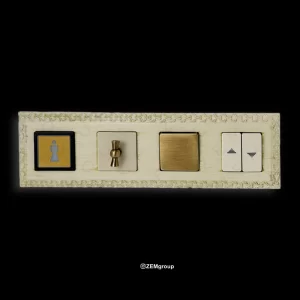
  • FIVE-gang light switchpanel: The largest multi-gang panel, used to manage multiple devices in one room or area. These panels are commonly found in industrial spaces, conference halls, or public environments where simultaneous control of multiple lights, ventilation systems, and other electrical equipment is necessary.
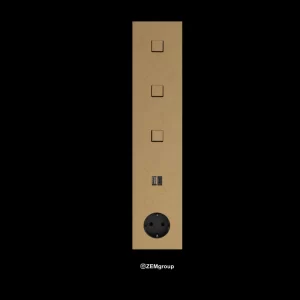
From a design perspective, multi-gang panels can be modern, classic, rocker, dimmer, rotary, or smart. Therefore, these panels are not only functional tools but also an important part of home décor and aesthetics.

Types of Multi-Gang Panels Based on Gang Numbers

Multi-gang switch and socket panels range from ONE-gang light switchto five-gang, allowing users to combine several switches and sockets in one frame. This keeps walls organized and makes access to electrical devices easier.

One significant advantage of these panels is the ability to combine different mechanisms in a single frame. For example, in a THREE-gang light switch panel, you could have one light switch, a dimmer to adjust light intensity, and a power socket. Or in a FOUR-gang light switch panel, a combination of an air conditioner switch, network socket, USB socket, and a light switch can coexist.

ONE-gang light switch Panel

  • The simplest type, used for installing a single mechanism such as a switch or socket.
  • Suitable for small spaces or limited applications (like a power socket next to a bed or a bathroom light switch).
  • Less commonly used in modern designs unless only one function is needed.

TWO-gang light switch Panel

  • Contains two spaces for different mechanisms.
  • Can combine two switches or a switch and a socket.
  • Commonly used in bedrooms or small offices to combine lighting and power.

THREE-gang light switch Panel

  • Highly flexible, allowing three mechanisms in one frame.
  • Example: two light switches + one socket, or one switch + dimmer + USB socket.
  • Frequently used in kitchens and living rooms where multiple functions are needed at a single point.

FOUR-gang light switch Panel

  • Ideal for large or multifunctional spaces.
  • Can combine four different mechanisms such as a light switch, power socket, air conditioner switch, and network socket.
  • Reduces the number of separate frames and enhances the visual appeal.

FIVE-gang light switch Panel

  • The most specialized and professional type, used in luxury projects and commercial or office environments.
  • Allows a full combination of switches and sockets (e.g., smart switch, dimmer, power socket, network socket, USB socket) in a single frame.
  • Suitable for spaces where many devices need centralized control.

The more gangs a panel has, the higher the customization and combination possibilities, making multi-gang panels both functional and a decorative, luxurious element in interior design.


Styles of Multi-Gang Panels in ZEM Group

ZEM Group offers a variety of multi-gang panels with diverse and efficient designs to meet users’ needs across different spaces. Each panel style has its unique features, and different mechanisms can be combined in a single frame.

Modern Multi-Gang Panel

  • Minimalist and simple design, ideal for modern and luxurious spaces.
  • Can combine several light switches and power sockets without visual clutter.
  • Some models allow installation of dimmers or USB sockets.

Classic Multi-Gang Panel

  • Traditional design with detailed features, suitable for classic interiors.
  • Can combine power sockets and even air conditioner switches in one frame.
  • Frames are usually made of high-quality, durable materials for a luxurious look.

Rocker Multi-Gang Panel

  • Ergonomic design for daily use.
  • Allows multiple switches and sockets in one frame, including light, power, and air conditioner switches.
  • Suitable for spaces where quick and easy access is important.

Rotary Multi-Gang Panel

  • Rotary switches for controlling lights and specific equipment.
  • Can combine rotary and standard switches in one frame.
  • Ideal for luxury or professional spaces requiring precise light control.

Dimmer Multi-Gang Panel

  • Allows light intensity adjustment with a dimmer, combined with other switches or sockets.
  • Suitable for living rooms, halls, and workspaces where light control is important.
  • A four- or FIVE-gang light switchframe can simultaneously host a dimmer, switch, and USB socket.

Smart Multi-Gang Panel

  • Can connect to home automation systems and be controlled remotely.
  • Combines smart and standard mechanisms in one frame.
  • Allows installation of a smart switch, dimmer, USB, and power socket in a single unit.

Boxing Multi-Gang Panels

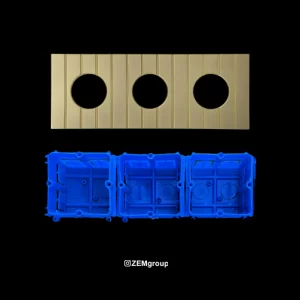
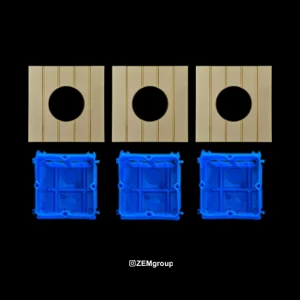
Boxing is a key step in installing switches and sockets, directly affecting safety, durability, and final appearance. While boxing a ONE-gang light switchpanel is relatively simple, multi-gang panels (two to five gangs) require careful planning and adherence to precise standards. This is because all mechanisms must be level, and the frame must be mounted evenly on the wall; any misalignment can make the panel uneven or make installation difficult.

Standard Boxing Principles

  • Depth: Adjust based on the frame thickness and type of mechanisms. Too shallow prevents mechanisms from sitting properly; too deep prevents the frame from fitting securely.
  • Spacing: Center-to-center distance must match the panel standard to avoid gaps or overcrowding.
  • Leveling: All boxes must be aligned. Using a standard level, template, or precise measuring tools ensures an even installation.

Differences Between ONE-gang light switchand Multi-Gang Installation

  • Single-gang: Only one box needed; installation is simple. Depth and leveling remain important.
  • Two- and three-gang: Spacing must be precise to avoid misalignment or installation issues.
  • Four- and five-gang: Precision in spacing and leveling is critical; even small errors can make the frame uneven. Place mechanisms in boxes first to check alignment.

Professional Tips for Multi-Gang Boxing

  1. Use templates and levels to maintain uniform spacing and depth.
  2. Check mechanism alignment before frame installation.
  3. Follow precise spacing in larger panels to prevent stress or bending.
  4. Consider wall type and box material before installation.

Proper boxing is the foundation for successful multi-gang panel installation. Following standards ensures not only a neat appearance but also long-term safety and functionality.
Applications in Different Spaces

Living Room and Reception

  • Allows centralized control of multiple lights and lighting systems.
  • Reduces wall clutter and gives a neat, modern look.

Kitchen

  • Centralized control of ceiling lights, hood, under-cabinet lights, and appliance sockets.
  • Enhances usability and visual appeal.

Bedroom

  • Controls main light, reading lamp, and bedside sockets from one point.
  • Provides comfort, relaxation, and convenient light management.

Office and Commercial Spaces

  • Organizes lighting and multiple sockets efficiently in conference rooms, hallways, and offices.
  • Reduces scattered switches and increases operational efficiency.


Materials and Build Quality

The material of multi-gang panels greatly affects durability, aesthetics, and ease of use. Low-quality panels may break, discolor, or malfunction quickly, whereas high-quality panels ensure reliable operation and visual appeal.

Materials Used

  1. Brass
  • High impact and wear resistance
  • Luxurious and classic appearance
  • Requires regular cleaning for shine
  • Long-lasting, suitable for high-traffic areas
  1. Stainless Steel
  • Resistant to rust and scratches
  • Modern, minimalist look
  • Easy to maintain, moisture-resistant
  • Long lifespan, ideal for kitchens
  1. Glass
  • Stylish and modern look
  • Suitable for luxury and minimalist décor
  • Tempered glass recommended for impact and heat resistance
  • Requires careful cleaning to maintain clarity

Material Impact on Durability and Performance

  • High-quality materials ensure smooth switch operation without wobbling.
  • Metal panels (brass, steel) provide durability and stability.
  • Glass and plastic require careful handling to prevent damage.

Material Impact on Aesthetics and Décor

  • Brass panels create a warm, classic look compatible with wood and traditional décor.
  • Stainless steel and glass suit modern, minimalist interiors.
  • Colored panels can match wall colors or other accessories for a lively look.

Material Selection Tips

  1. Installation area: Moist areas favor steel or water-resistant panels. High-traffic areas suit brass or steel.
  2. Budget and lifespan: Brass and steel cost more but last longer. Plastic and glass are economical but need care.
  3. Décor harmony: Match panel color and material with furniture and wall colors.
  4. Functionality: High-quality panels ensure smooth operation; low-quality mechanisms may wobble or produce noise.


Safety and Standards

Multi-gang panels, containing multiple mechanisms, require precise adherence to safety standards. Neglecting safety can lead to electric shocks, equipment damage, and reduced panel lifespan.

Importance of Safety Standards

  • User protection: High-quality materials and proper installation reduce shock risk.
  • Mechanism stability: Correct boxing prevents wobbling and ensures proper operation.
  • Compatibility: Standards ensure panels work with lighting and electrical systems.

Grounding and Safety Tips

  • Connect all switches and sockets to earth to protect against voltage surges.
  • Multi-gang sockets must comply with high safety standards and overcurrent protection.
  • Use heat-resistant, well-insulated materials to prevent panel damage.

Practical Safety Tips

  1. Inspect wiring before installation.
  2. Follow depth and spacing standards.
  3. Use templates and levels for alignment.
  4. Check protective devices such as fuses and grounding.

Choosing a Reputable Brand

  • Brands like ZEM Group ensure adherence to safety standards and high-quality construction. Low-cost, non-standard panels may pose long-term risks.


Trends and the Future of Multi-Gang Panels

With technological advances and lifestyle changes, multi-gang panels have evolved with new innovations, enhancing both usability and décor harmony.

Smart Panels

  • Remote control via mobile apps or smart home systems.
  • Timers for automatic switching, reducing energy consumption.
  • Light and motion sensors for automatic adjustment.

Combining Traditional and Modern Switches

  • Many designers mix classic visual appeal with modern smart functionalities.
  • Example: brass or glass panels with built-in smart mechanisms.

Global Standards and Future Design

  • Compatibility with smart home protocols like Wi-Fi and Zigbee.
  • Advanced materials resistant to scratches and moisture.
  • Minimalist, integrated design reducing wall clutter.

Benefits of New Trends

  • Energy savings through smart lighting.
  • Ease of use and centralized control.
  • Enhanced décor harmony with minimalist designs.
  • Increased safety with integration into security systems.

The future of multi-gang panels is heading toward smart solutions, combining modern and traditional designs, and using durable, aesthetic materials. Smart functionalities enhance convenience, energy savings, and make panels a key element in interior design.


Frequently Asked Questions About Multi-Gang Panels

  1. What is a multi-gang panel and its purpose?
    A multi-gang panel is a frame housing multiple switches or sockets, allowing control of several lights, sockets, or systems from one point while keeping walls organized.
  2. How many gangs do multi-gang panels have?
    Typically 2 to 5, but larger panels exist depending on project needs. Gang count should match lighting and socket requirements.
  3. Can multi-gang panels be installed in wet areas?
    Yes, with proper safety standards and moisture-resistant panels (stainless steel or appropriately coated glass), they can be used in kitchens or bathrooms.
  4. How to choose the right material?
  • High-traffic areas: brass or steel
  • Luxurious spaces: glass or modern steel
  • Budget projects: durable plastic
    Material should also match the interior décor.
  1. How to increase the lifespan of a multi-gang panel?
  • Regular, proper cleaning according to material
  • Avoid heavy impacts on switches and frame
  • Check and tighten screws and mechanisms periodically
  • Use high-quality, standard panels
  1. Do smart multi-gang panels exist?
    Yes, they allow remote control, timers, light and motion sensors, and integration with smart home systems.
  2. Is it better to choose Iranian or foreign panels?
    It depends on budget, project needs, and priorities. Iranian brands like ZEM Group offer high quality, modern designs, and easier access to after-sales services. Foreign panels may offer international design and standard advantages.
  3. What installation tips are important?
  • Correct depth and spacing of boxes
  • Level alignment of mechanisms
  • Proper grounding and safety standards
  • Using templates and appropriate tools for precise installation

Leave a Reply

Your email address will not be published. Required fields are marked *