



Today, lighting is no longer limited to simply illuminating a space; it plays a crucial role in aesthetics, interior design, and even people’s moods. As we move through a home or workplace, the intensity and type of light can evoke feelings of relaxation, focus, energy, or even intimacy. For this reason, interior designers and electrical engineers are always looking for solutions that allow us to control and adjust lighting as easily as possible.
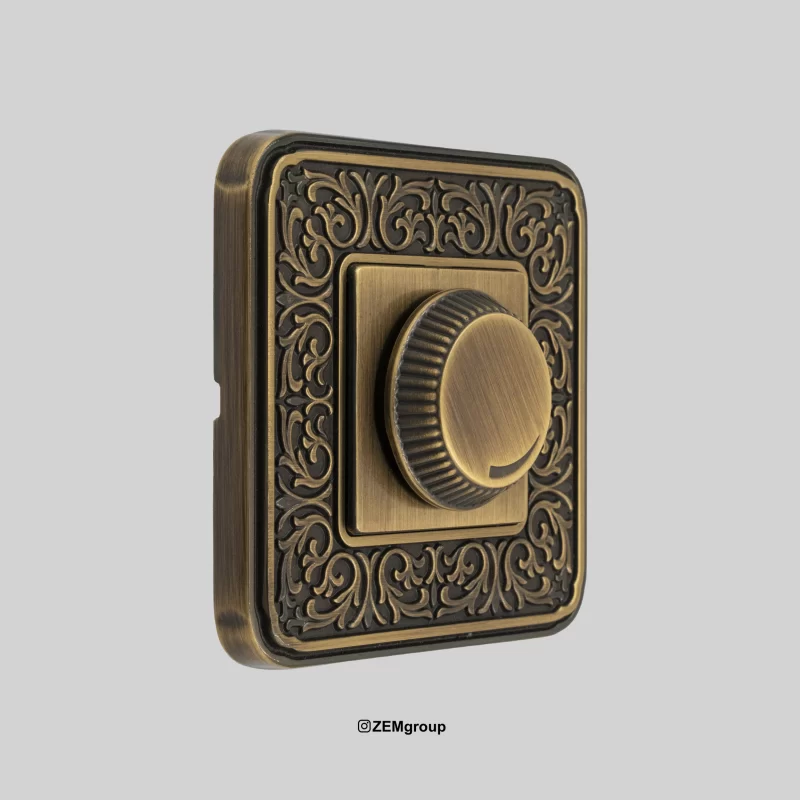
One of the best and most practical tools for this purpose is the Dimmer Switch. Unlike ordinary switches that only allow lamps to be turned on or off, dimmers let you gradually adjust the brightness to your desired level. Using a dimmer, you can adapt the lighting in your home or workplace to different conditions.
For example:
-
During a family dinner, soft and warm lighting creates a cozy atmosphere.
-
While reading or working, more focused and brighter light is required.
-
During a party or event, you can have bright, energetic lighting.
This flexibility turns dimmers from a simple switch into a smart, practical tool for modern lighting design.
In addition to aesthetic benefits, dimmers also play a key role in energy saving. When the brightness of a lamp is reduced using a dimmer, power consumption decreases. This reduces electricity costs and extends the lifespan of the lamps. In fact, with a simple device, you can manage energy consumption, reduce maintenance costs, and enhance the appeal of your living or working space.
Today, dimmers are available in various types, from simple mechanical models to touch-sensitive and smart dimmers that can be integrated into smart home systems. This diversity makes selecting the right dimmer an important and specialized task because not all lamps are compatible with dimmers, and a wrong choice can reduce performance, cause flickering, or even damage the lamp.
What is a Dimmer Switch and How Does it Work?
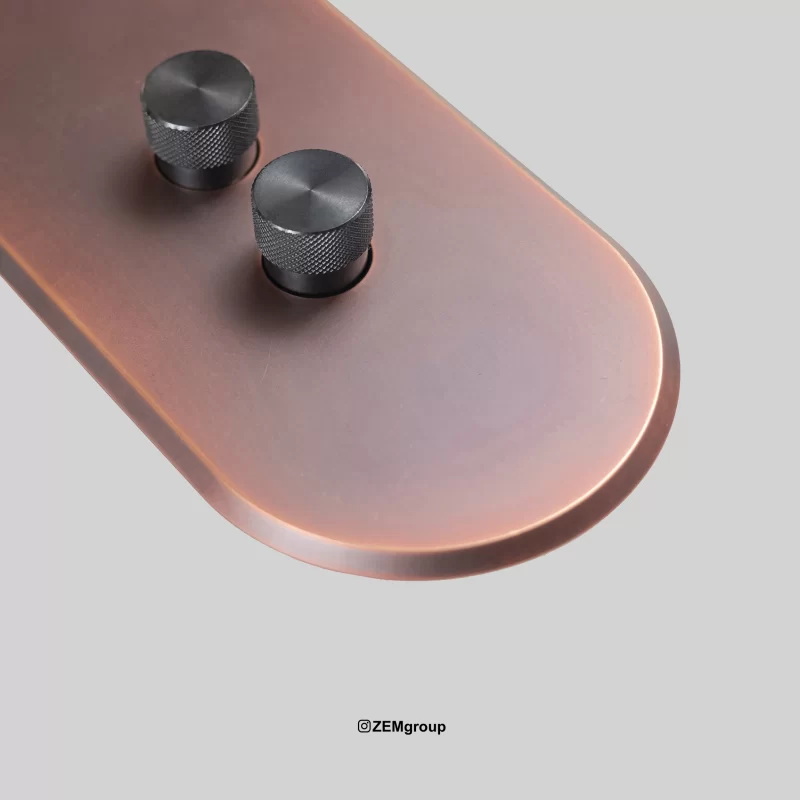
A Dimmer Switch is one of the most important and practical lighting tools in modern interior design. Unlike traditional switches, which only have two states—“on” and “off”—dimmers allow you to control the light intensity at different levels. Simply put, with a simple action, you can transform the lighting in your home or workplace from a bright, energetic environment to a calm, romantic, and soft ambiance.
Although this feature may seem simple, it has significant effects on energy consumption, spatial aesthetics, environmental psychology, and even lamp longevity. That is why dimmers are now seen not only in luxury homes but also in restaurants, cafés, hotels, conference halls, and even regular bedrooms.
How Dimmer Switches Work
A dimmer switch essentially acts as an intermediary between the power source and the lighting device (lamp). By modifying the current and voltage, it adjusts the amount of light emitted from the lamp.
1. Old (Resistive) Dimmers:
-
In the past, dimmers were primarily based on variable resistors (rheostats).
-
In this method, adjusting the resistance reduced the voltage, causing the lamp to emit less light.
-
The main drawback was energy wastage, as much of the energy converted into heat, reducing efficiency and causing the switch to become hot.
2. Modern Electronic Dimmers:
-
Today, dimmers operate using electronic components such as TRIACs and thyristors.
-
These components rapidly switch the electricity on and off in very short time intervals.
-
Because these changes occur in milliseconds, the human eye does not perceive the flickering, but the light intensity is effectively reduced.
-
This method optimizes energy usage and applies less stress to the lamp.
Types of Dimmer Interfaces
-
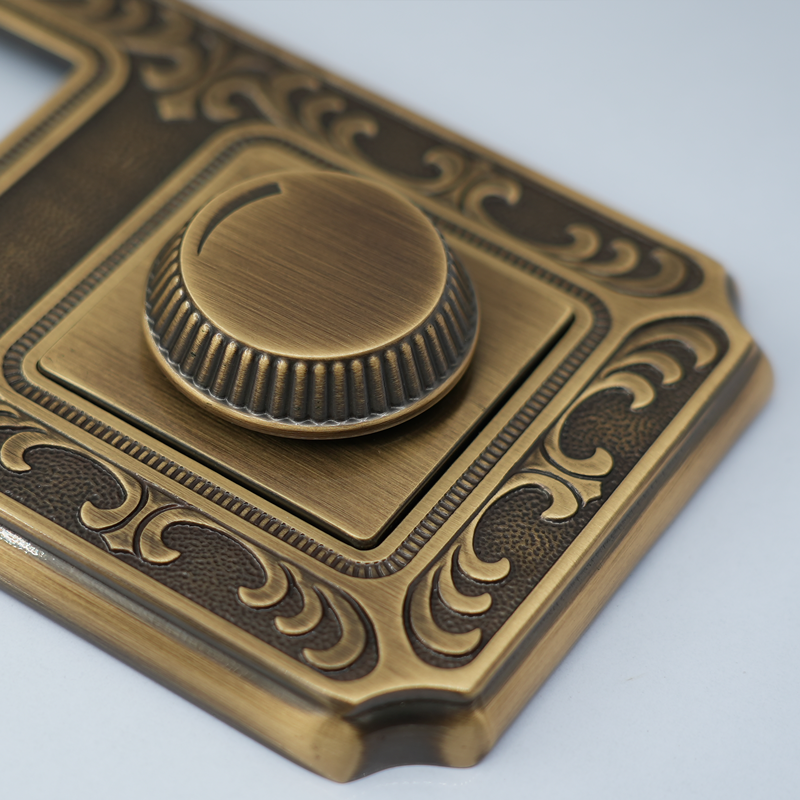
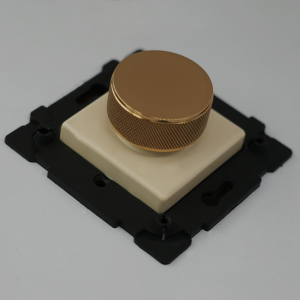
Rotary Dimmer: The most common type; turning a knob adjusts the brightness.
-
Touch Dimmer: A touch-sensitive panel allows brightness adjustment with a simple swipe or touch.
-
Push-Button Dimmer: Pressing or holding a button increases or decreases the brightness.
-
Smart Dimmer: Controlled via mobile app, remote, or smart home system, with customizable lighting scenarios (e.g., movie mode, reading light, sleep light).
Difference Between a Dimmer Switch and a Regular Switch
-
Regular Switch: Has only two states; the light is either on or off.
-
Dimmer Switch: In addition to turning lights on and off, it allows the adjustment of light intensity.
This simple but significant difference makes dimmers a key element in modern lighting design. Examples:
-
In a living room, you can have full brightness during a party and dim the lights for movie time.
-
In a bedroom, you can have soft reading light and lower it further for sleep.
-
In restaurants, adjustable soft lighting creates a calm and intimate atmosphere.
Real-Life Example of Dimmer Use
Imagine entering a café. If the lighting is too bright, the sense of calm and intimacy is lost; if too dim, reading the menu or enjoying a coffee becomes difficult. The solution is a dimmer switch. The café manager can increase brightness during the day to attract customers and lower it in the evening to create a warm, romantic atmosphere.
Compatible and Incompatible Lamps with Dimmer Switches
Using a dimmer alone is not enough; you must ensure that the lamp is compatible with the dimmer. Otherwise, the light may not adjust correctly, flicker, or even be damaged.
1. Incandescent Lamps:
-
Fully compatible with dimmers.
-
Brightness decreases as voltage is reduced.
-
Main drawback: high energy consumption and heat generation.
2. Halogen Lamps:
-
Compatible with dimmers like incandescent lamps.
-
Slightly better efficiency and more natural light.
-
Still consume more energy than LEDs.
3. Fluorescent (CFL) Lamps:
-
Generally incompatible with standard dimmers.
-
May flicker or get damaged if dimmed incorrectly.
-
Only compatible if labeled Dimmable.
4. LED Lamps:
-
Best option for dimmers—but not all LED lamps.
-
Regular LEDs may flicker or fail when dimmed.
-
Only Dimmable LED lamps should be used.
-
Advantages: low energy consumption and long lifespan.
Why Choosing the Right Lamp Matters
If a dimmer is used with an incompatible lamp:
-
The lamp may burn out faster.
-
The dimmer may overheat or get damaged.
-
The light may flicker instead of dimming smoothly.
The best current option is dimmable LED lamps, which are energy-efficient and provide smooth, high-quality lighting.
Advantages and Disadvantages of Dimmer Switches
A dimmer is not just a tool for turning lights on and off; it’s an intelligent device that helps save energy and enhances both aesthetics and functionality.
Advantages:
-
Energy Savings: Reducing light intensity consumes less electricity.
-
Longer Lamp Lifespan: Lamps experience less stress at lower brightness, extending their life.
-
Creates Pleasant and Versatile Spaces:
-
Bright for work or study
-
Medium for social gatherings
-
Low for rest or movies
-
-
Use in Various Locations: Homes, restaurants, hotels, cinemas, and stores.
-
Integration with Smart Systems: Smart dimmers can connect to mobile apps and schedule lighting changes.
Disadvantages:
-
Installation of advanced dimmers may require expertise.
-
Compatibility with certain lamps is essential.
Types of Dimmer Switches
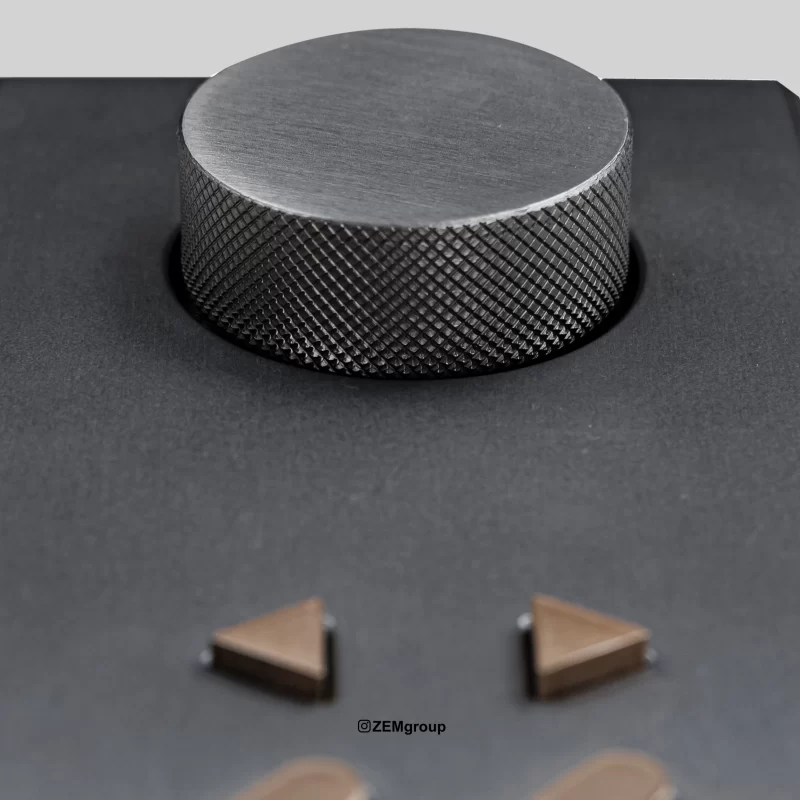
1. Rotary Dimmer:
-
Simple, most common.
-
Knob rotates to adjust brightness.
-
Easy installation, usually no rewiring needed.
-
Ideal for bedrooms, living rooms, and general spaces.
2. Push (Button) Dimmer:
-
Press or hold a button to adjust light.
-
Sleeker design, suitable for modern or minimalist homes.
3. Touch Dimmer:
-
Touch-sensitive surface for brightness control.
-
Elegant and luxurious; often used in high-end homes, hotels, and modern offices.
4. Smart Dimmer:
-
Can be controlled via app or voice commands.
-
Integrates with smart home systems (BMS).
-
Supports scheduling and automatic adjustments.
5. Remote Dimmer:
-
Wall control plus remote option.
-
Suitable for those wanting remote control without high cost.
6. Slider Dimmer:
-
Brightness adjusts via sliding control.
-
Offers precise adjustment; ideal for study rooms or workspaces.
Compatible Switch and Socket Panels with Dimmer
Dimmer switches can generally be used with most switch and socket panels. In multi-gang panels, you can combine multiple mechanisms based on décor or functionality. For example, in a three-gang panel, you can install one dimmer, one socket, and one double-pole switch, or use all three slots for dimmers.
Types of Dimmable Lamps
Incandescent (Tungsten) Lamps:
-
Classic choice for adjustable lighting.
-
Brightness responds smoothly to voltage changes.
-
Inefficient, but still useful in residential and commercial spaces.
Halogen Lamps:
-
Enhanced incandescent with halogen gas.
-
Fully dimmable, compact, clear white light.
-
Consume more energy and generate heat; proper ventilation needed.
Dimmable LED Lamps:
-
Energy-efficient, long-lasting, available in various forms, sizes, and color temperatures.
-
Must be labeled Dimmable LED for smooth dimming without flicker.
Compact Fluorescent Lamps (CFL):
-
Can be dimmable if specifically designed.
-
Early CFLs were prone to flicker.
-
Always use CFLs designed for dimmers.
Important:
-
Dimmers are often designed for specific lamp types (tungsten, LED, or fluorescent).
-
Some dimmers can handle both tungsten and LED lamps. Always check specifications before purchase.
Tips for Buying Dimmer Switches
-
Choose the type of dimmer according to your needs.
-
Consider installation ease. Mechanical dimmers are usually easier to install than smart dimmers.
-
Ensure compatibility with lamp types and voltage.
-
Be aware of price differences: smart dimmers are significantly more expensive than mechanical ones.
Tips for Using Dimmable Lamps and Decorative Products
-
Use Reputable Brands:
-
Ensure long life, reliable warranty, and quality light.
-
Cheap or unbranded dimmable lamps may flicker or perform poorly.
-
-
Check Product Specifications:
-
Lumen output, power, color temperature, dimmer compatibility.
-
-
Lamp-Dimmer Compatibility:
-
Confirm with seller or manufacturer before purchase.
-
-
Dimmable Decorative Products:
-
Wall sconces, table lamps, ceiling lights, and small chandeliers may come as dimmable or non-dimmable. Always request the Dimmable version.
-
-
Dimmer Rating vs. Lamp Load:
-
Dimmer switches have a maximum wattage. Ensure your lights don’t exceed this.
-
Optionally, zone your lighting to distribute load across multiple dimmers.
-
-
Safety and Maintenance:
-
Use quality dimmers and lamps to control heat.
-
In humid or hot environments, choose appropriate dimmers and lamps.
-
Frequently Asked Questions (FAQ)
-
Can a dimmer be used with all lamps?
-
No. Only lamps labeled Dimmable, incandescent, or halogen are compatible.
-
-
Can one dimmer control different types of lamps?
-
Some dimmers support two types, e.g., incandescent and LED. Check specifications.
-
-
Is dimmer installation complicated?
-
Mechanical and rotary dimmers are usually easy.
-
Touch and smart dimmers may require professional installation or smart system integration.
-
-
Does a dimmer save electricity?
-
Yes, lowering brightness reduces power consumption.
-
-
Does a dimmer extend lamp life?
-
Yes, reducing voltage decreases stress on the lamp.
-
-
Which lamps are suitable for decorative products?
-
Products labeled Dimmable.
-
-
Can dimmers integrate with smart home systems?
-
Smart dimmers can be controlled via mobile apps, voice commands, and smart home systems.
-
-
Does the type of switch panel affect dimmer performance?
-
Dimmers work with most panels.
-
In multi-gang panels, you can mix dimmers, switches, and sockets or dedicate all slots to dimmers.
-

