
Why Is Choosing Between Smart Switches and Sockets and Classic Switches and Sockets Important?
When it comes to interior design and equipping a home or workplace, most of us usually think about furniture, wall colors, flooring, or even lighting systems. However, in the middle of all these big decisions, there is one very small yet essential element that often goes unnoticed: switches and sockets.
At first glance, these components may seem to serve only one purpose—transmitting electricity and turning lights on or off. But the reality is that the choice between smart switches and sockets and classic switches and sockets plays a key role in your home’s aesthetics, comfort, safety, and even energy efficiency.
In recent years, with the growth of smart technologies, many people have faced confusion when buying electrical accessories. On one hand, smart switches and sockets offer modern and attractive features such as remote control, automatic scheduling, and smart home integration. On the other hand, classic switches and sockets still hold their ground with simpler installation, lower cost, and compatibility with all types of homes.
Looking at this objectively, neither option can be declared absolutely better. What really matters is your home’s infrastructure, your lifestyle, and the budget you’re willing to allocate. That’s why this article will help you explore the differences between smart and classic switches and sockets so you can make the most informed decision.
Imagine living in a house where you need to get up every time to flip a switch—this is the familiar experience of using classic switches. Now, imagine a modern home where you can use your smartphone, a voice command, or even pre-set scheduling to control your lights, appliances, and even heating or cooling systems—that’s the world of smart switches and sockets. But the question is: do these features really matter for everyone? Do the higher costs and installation requirements justify the investment?
Choosing between these two is just like choosing between a simple, budget-friendly car and a modern car with advanced technology. Both have their pros and cons. The main question is: Which one makes more sense for your home—classic switches and sockets or smart ones?
In this article, we will take a step-by-step approach to review both options:
- First, we will take a closer look at classic switches and sockets.
- Then, we will explore the features and capabilities of smart switches and sockets.
- Finally, we will compare them side by side so you can make an informed decision.
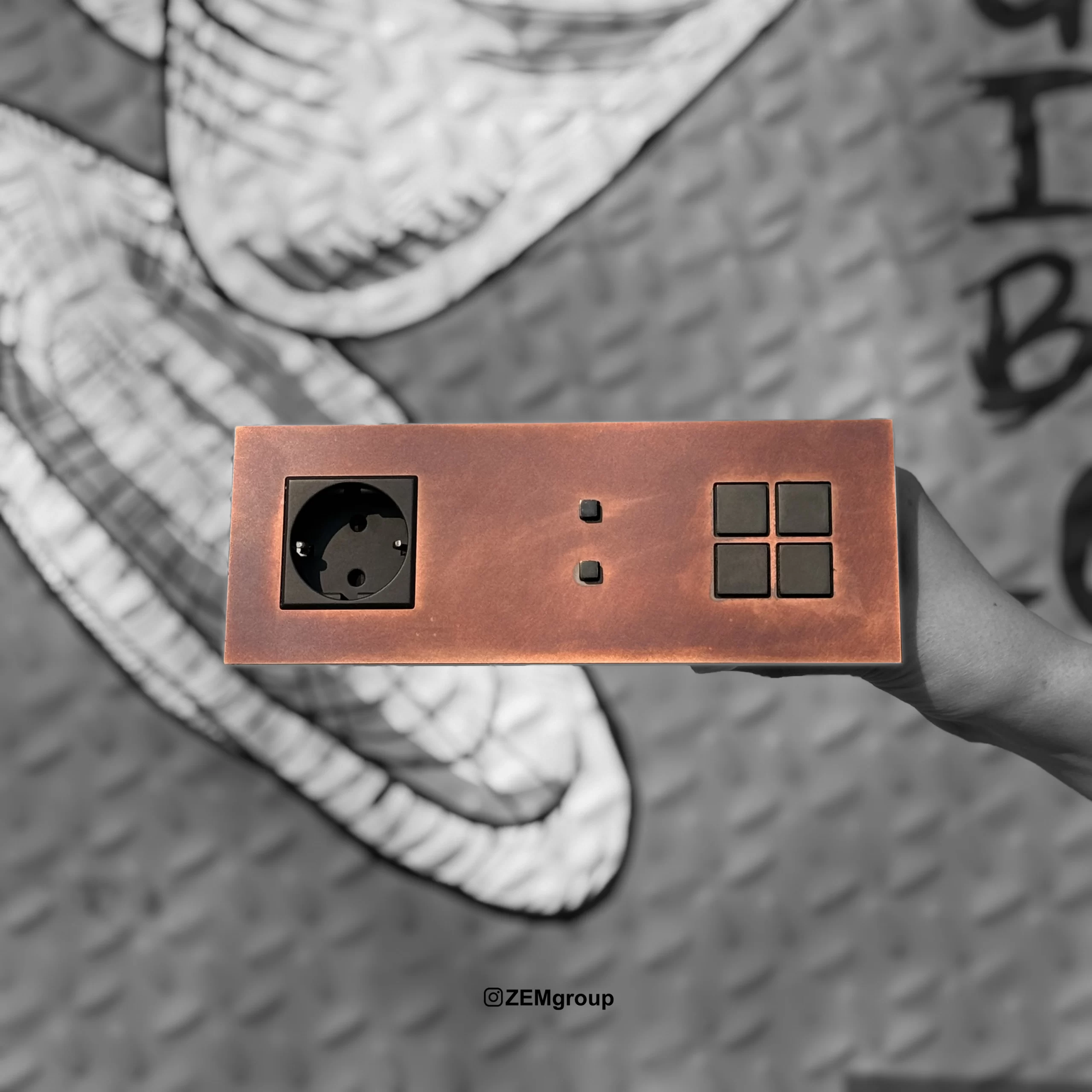
Comparing Smart Switches and Outlets with Classic Switches and Outlets
Choosing between classic switches and outlets and smart switches and outlets is one of the most important decisions when equipping a home. In this section, we will examine their differences in detail from various angles, helping you make a fully informed choice. It is important to emphasize that neither option is inherently better or worse; they simply offer different features and applications. The right decision depends on your lifestyle, needs, and budget.
1. Differences in Design and Aesthetics
-
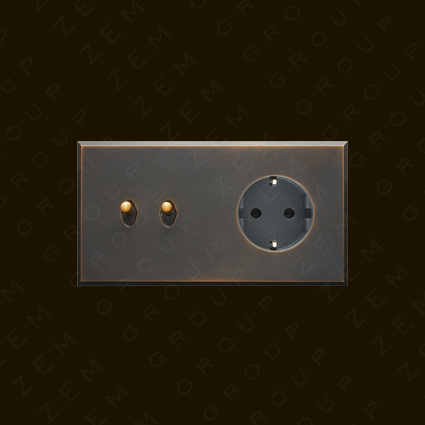
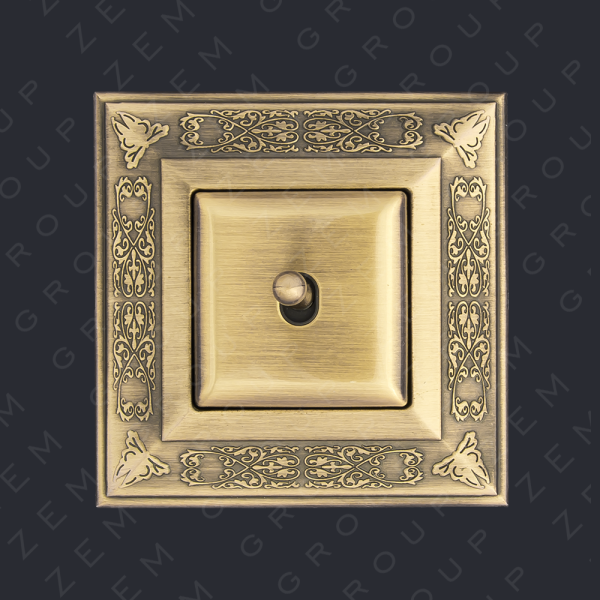
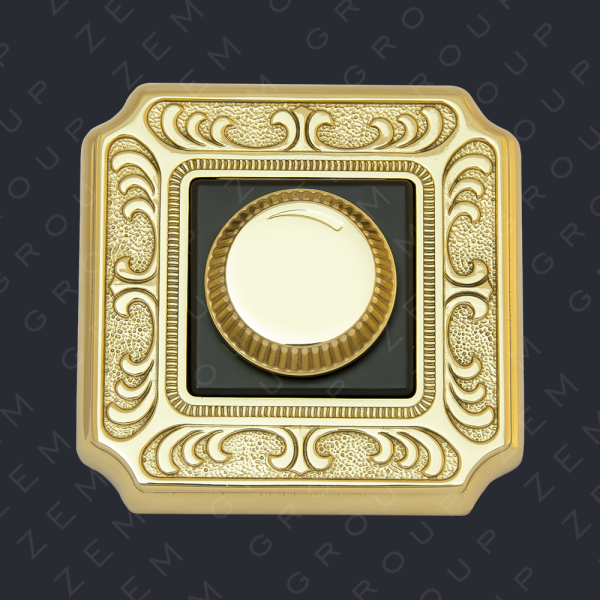
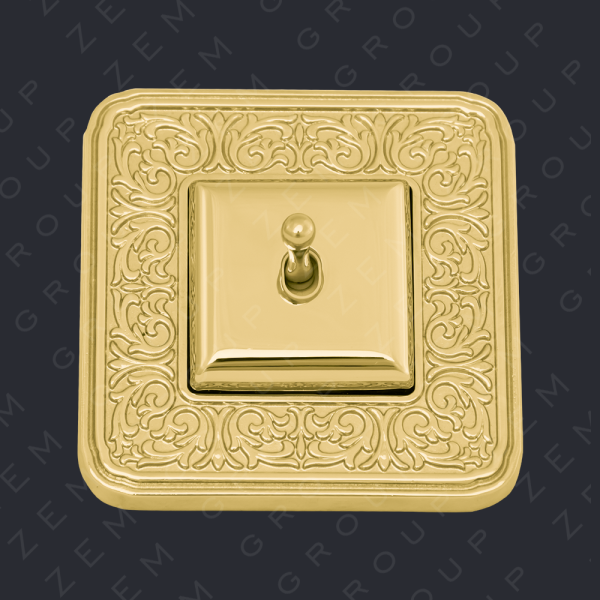
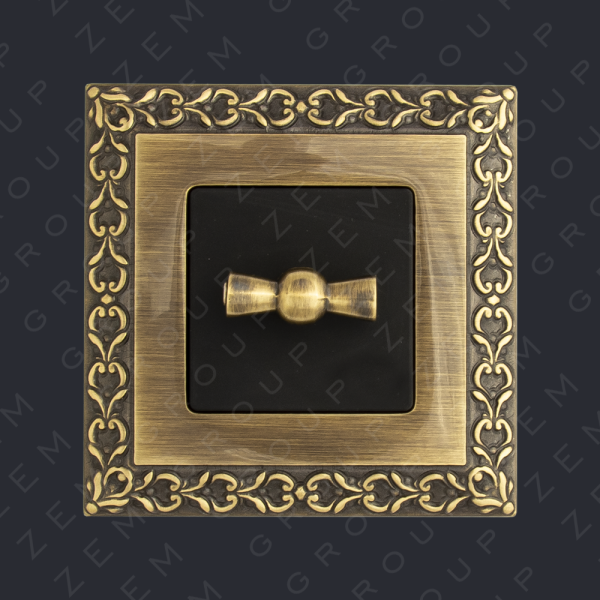
Classic Switches and Outlets: Feature simple and familiar designs. Standard colors such as white, cream, and black blend easily with both traditional and modern interiors. Some models include brass frames or textured plastic finishes that add a more classic or luxurious feel.
-
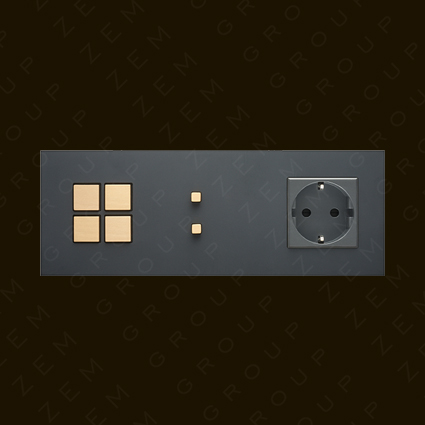
Smart Switches and Outlets: Usually come in modern, minimalist styles. Many are touch-sensitive, glass-framed, or available in chrome and silver finishes. Specialized modern smart switches and outlets bring a futuristic and luxurious look, especially suitable for new builds and minimalist interiors.
Example: Imagine a living room with heavy curtains and classic décor. A brass-framed or cream-colored classic switch may complement the style perfectly. By contrast, in a modern home with white walls and minimalist furniture, a glass touch-based smart switch would feel more harmonious.
2. Differences in Wiring and Infrastructure
-
Classic Switches and Outlets: Can be installed with any traditional wiring system and require no special infrastructure. This makes them practical and cost-effective for older houses, renovations, and buildings without smart-home wiring.
-
Smart Switches and Outlets: Some models require separate wiring or Wi-Fi connectivity. For example, if you want to control lighting or outlets via your smartphone, your home needs a local network or smart-home hub. In older houses, installing modern smart outlets may also require changes to wiring and additional protective equipment.
Practical Tip: Always check whether your home’s wiring supports smart devices before buying, or whether upgrades are needed.
3. Differences in Daily Use and Convenience
-
Classic Switches and Outlets: Lights and devices must be operated manually on site. No scheduling or remote control is possible.
-
Smart Switches and Outlets: Offer remote control, timers, automation, and voice command features. You can turn lights on or off even when you are away, manage heating or cooling systems, and optimize energy use.
Example: If you are in your bedroom and want to turn off the living room lights, with a classic switch you must physically go there. With a smart switch, you can simply use your smartphone or a voice command.
4. Differences in Safety and Electrical Protection
-
Classic Switches and Outlets: Their safety depends on build quality and proper installation. Basic standards are usually met, but they typically lack automatic cut-off functions in emergencies.
-
Smart Switches and Outlets: Often equipped with advanced protection systems. In case of overload, incorrect connection, or short circuit, they can cut the power automatically and even send abnormal-usage alerts.
Example: If a high-consumption device is plugged in and a short-circuit risk arises, a smart outlet can automatically cut the current to prevent damage to the appliance or home.
5. Differences in Energy Use and Cost Management
-
Classic Switches and Outlets: Energy efficiency depends solely on user behavior. If you forget to turn off the lights, energy is wasted, and no data is available for optimization.
-
Smart Switches and Outlets: With scheduling and remote control, electricity use can be reduced. Some models even provide energy consumption reports, helping save money.
Example: You can program smart lighting to turn on automatically at sunset and turn off when you leave the house. This is only possible with modern smart switches and outlets.
6. Differences in Installation
-
Classic Switches and Outlets: Installation is straightforward and usually doesn’t require a specialized technician. Suitable for almost all homes.
-
Smart Switches and Outlets: Installation may require a professional installer and some wiring modifications. However, the long-term benefits—comfort, energy control, and smart-home integration—often justify the initial cost.
Practical Tip: Consider both upfront costs and long-term savings when deciding.
7. Differences in Flexibility and Upgradability
-
Classic Switches and Outlets: Very limited upgrade options. To add smart features, you would need to install new switches or use external smart plugs.
-
Smart Switches and Outlets: Highly flexible and scalable. You can add motion sensors, security systems, or new smart devices to the network, expanding your smart-home experience.
Who Should Choose Classic Switches and Outlets?
Opting for classic switches and outlets means choosing simplicity, affordability, and reliability. They are suitable for many homes and lifestyles, though their practicality depends on your specific situation:
-
Older Homes – With outdated wiring or no smart-home infrastructure, classics are the most straightforward solution. No major rewiring is needed.
-
Limited Budgets – More cost-effective than smart models, making them ideal for renovations or budget-conscious households.
-
Low-Use Areas – Guest rooms, storage spaces, garages, or utility rooms, where advanced features aren’t necessary.
-
Traditional Décor – Brass-framed or textured classic switches can perfectly match classic or vintage interiors.
-
Preference for Simplicity – For those who dislike dealing with apps, Wi-Fi, or digital systems, classics offer straightforward functionality.
Who Should Choose Smart Switches and Outlets?
Smart switches and outlets are the best choice for people seeking convenience, advanced control, better security, and a modern lifestyle. They are ideal for:
-
New and Modern Homes – Especially where smart-home systems are planned or already installed.
-
Comfort and Control Lovers – Control lights and appliances via mobile apps, scheduling, or voice commands.
-
High-Use Spaces – Living rooms, kitchens, and bedrooms where convenience makes a noticeable difference.
-
Luxury and Modern Interiors – Glass, chrome, or touch-sensitive designs enhance the sleek look of contemporary spaces.
-
Energy-Conscious Households – Track and reduce energy use, saving costs and supporting sustainability.
-
Tech-Friendly Users – Those comfortable with technology will enjoy the advanced features and adaptability of smart systems.
Key Factors for Making the Right Decision
When deciding between smart and classic switches, carefully consider the following:
-
Lifestyle and Daily Needs – If convenience and remote control matter, go smart. If you prefer simple reliability, classics suffice.
-
Home Type and Infrastructure – Older homes are better suited to classics, while new builds support smart systems.
-
Design and Décor – Match the switch style to your interior theme—classic for traditional, smart for modern.
-
Flexibility and Expansion – Smart systems allow future upgrades; classics are limited.
-
Safety and Energy Management – Smart models offer stronger protection and tracking.
-
Comfort Expectations – Decide whether advanced features justify the learning curve and extra cost.
Final Thoughts
Choosing between smart switches and outlets and classic switches and outlets is never absolute. Each option has its strengths and limitations, and the right choice depends on your home’s infrastructure, your lifestyle, your budget, and your design preferences.
-
Classic switches are ideal for older homes, lower budgets, simple needs, and traditional aesthetics.
-
Smart switches are perfect for modern homes, tech-savvy users, energy-conscious families, and those seeking advanced convenience.
In many cases, a hybrid approach works best: for example, using smart switches in living rooms and bedrooms, while equipping storage spaces or garages with classic switches. This balance ensures both practicality and cost-efficiency, while giving you comfort where it matters most.