


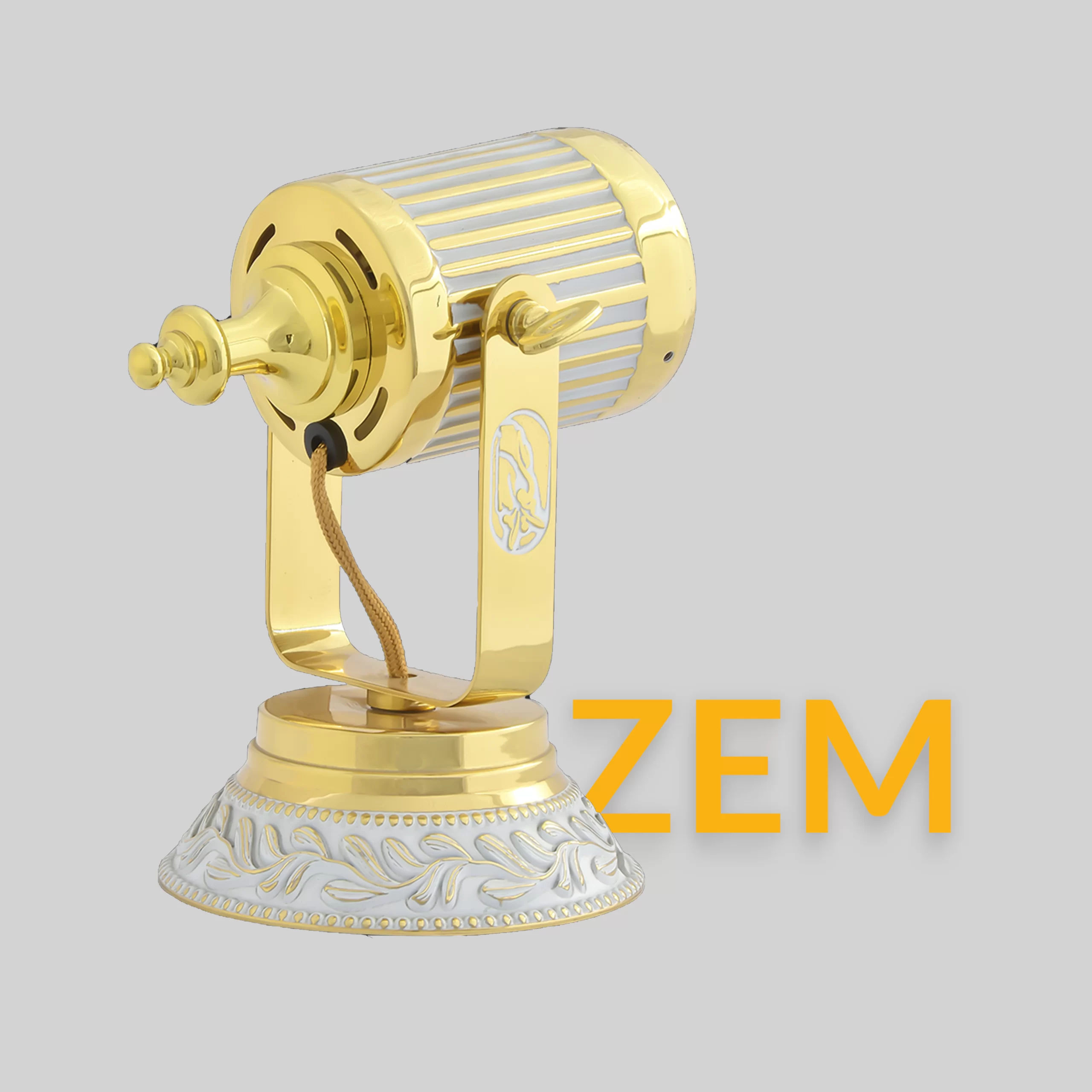
Lighting is one of the most influential elements in interior design — a feature that defines not only the aesthetic appeal of a space but also its comfort, atmosphere, and emotional tone. In luxury bedrooms, where every detail is selected with precision, wall lights play an essential role. These versatile fixtures can balance light and shadow, warmth and serenity, elegance and practicality — creating an environment that feels both refined and relaxing.
Proper Installation and Use of Wall Lights
The first step in achieving effective wall lighting is determining its purpose and position. Even the most beautiful fixture can lose its impact if installed incorrectly. Ask yourself:
-
Is the light meant for reading or focused tasks?
-
Is it for ambient illumination or purely decorative purposes?
-
Do you want to highlight a specific feature, like artwork or a mirror?
In luxury interiors, wall lights are often installed symmetrically on both sides of the bed, creating a sense of balance and harmony. This arrangement enhances the visual rhythm of the space and contributes to a calming atmosphere. Lights placed above bedside tables or near mirrors can add functionality and style simultaneously.
For reading, downward-facing fixtures or adjustable arms are ideal; for ambiance, diffused lights with soft, warm tones work best.
Ideal Mounting Height for Wall Lights
Mounting height greatly affects both comfort and function. Professional designers typically recommend placing wall lights 120 to 140 cm (47–55 in) above the floor.
For reading lights, a slightly lower placement ensures focused illumination without glare. For general or decorative lighting, positioning the fixture higher allows for softer light diffusion across the wall, enhancing the overall ambiance.
Modern and Smart Lighting Techniques
Contemporary lighting design embraces innovation and flexibility. Combining wall lights with 3D wall panels, textured finishes, or natural materials such as wood and stone can introduce depth and dimension to the room.
Using RGB or tunable white LEDs allows users to adjust the color temperature and mood — warm golden tones for intimacy, or cool whites for focus and clarity.
In smart home systems, wall lights can be integrated with central controllers or mobile apps. With one tap, the lighting mode can shift from “Reading” to “Sleep” or “Relax.”
Touch-sensitive and motion-activated models are also popular in luxury designs, enhancing both convenience and sophistication.
Directional Lighting to Highlight Decor
Accent lighting is one of the most creative uses of wall fixtures. Adjustable wall sconces can highlight artwork, mirrors, textured panels, or headboards, turning them into focal points.
The angle of light determines the effect: soft, downward light emphasizes texture and creates natural shadows, while upward beams add drama and grandeur. In luxury bedrooms, designers often use directional sconces behind the headboard to create depth and visual intrigue.
The Role of Price and Quality in Wall Lighting
Wall lights come in a wide price range, from budget-friendly models to handcrafted European designs made from brass, crystal, or mouth-blown glass.
In high-end projects, designers usually prefer premium brands known for design integrity, energy efficiency, and durability. While a higher price doesn’t always guarantee quality, luxury models often feature adjustable light levels, long lifespan, ergonomic design, and sustainable materials — making them a smart long-term investment.
Types of Wall Lights
Wall lights vary widely in design, purpose, and construction. The most common categories include:
-
Classic Wall Lights: Ornate fixtures with brass or crystal details, ideal for elegant, traditional spaces.
-
Modern Wall Lights: Minimalist shapes, neutral tones, and sleek finishes for contemporary interiors.
-
Adjustable or Swing-Arm Lights: Perfect for reading or task-focused illumination.
-
Decorative Wall Lights: Designed to create visual interest with artistic or sculptural forms.
-
Concealed or Indirect Lighting: Installed within the wall or behind panels to create a calm, diffused glow.
Choosing the right type depends on the overall bedroom style and material palette, ensuring harmony throughout the design.
Harmony Between Light, Color, and Texture
Color and light interact continuously. The hue of your wall influences how light feels in the space.
In luxury bedrooms, where warm or neutral tones dominate, warm white light (2700–3000K) enhances comfort and richness.
Dark-colored walls pair beautifully with golden lighting to create intimacy, while bright or pastel walls reflect cooler light, evoking freshness and spaciousness.
When walls have texture — such as plaster reliefs or 3D finishes — directional lighting can produce a stunning play of shadows, adding an artistic flair to the décor.
The Psychological Effect of Light in Sleeping Areas
Lighting affects not just what we see, but how we feel. Research shows that blue or white light before bedtime suppresses melatonin production, disrupting natural sleep cycles.
For that reason, professional designers recommend warm, dimmable lighting in bedrooms. Tunable wall lights that gradually transition from bright white to soft amber tones support natural circadian rhythms and improve sleep quality. Combined with soft materials like wood, linen, or velvet, this creates a truly serene and luxurious retreat.
Layered Lighting: Combining Wall Lights with Other Sources
Wall lights should be part of a layered lighting system, integrating multiple sources for different purposes:
-
Ambient Light: Provided by ceiling fixtures or recessed lights for general illumination.
-
Task Light: Focused, practical lighting for reading or dressing.
-
Accent Light: Wall sconces or hidden LEDs that highlight specific areas or décor.
This layered approach gives users full control over the atmosphere — from bright and energetic to calm and restful. Smart switches, dimmers, and scene-setting systems add even more convenience, allowing the mood to change with a single touch.
The Role of Switches and Sockets in Luxury Lighting
In high-end interiors, details define perfection. Designer wall switches and sockets not only serve a functional purpose but also complement the lighting design.
Brands offered by ZEMGROUP include a curated selection of European touch, smart, and decorative frames, crafted for luxury projects. Their refined finishes and modern technology align seamlessly with elegant wall lighting, ensuring both beauty and usability.
Conclusion
Wall lighting is far more than a source of illumination — it is an artful tool that shapes mood, comfort, and luxury. By carefully selecting the right style, installation height, color temperature, and control system, you can transform an ordinary bedroom into a sophisticated sanctuary.
Smart, high-quality wall lights not only elevate the design but also enhance well-being, proving that true luxury lies in both beauty and functionality.
Frequently Asked Questions
1. Are wall lights only for lighting purposes?
No. Wall lights serve both decorative and functional roles, enhancing the atmosphere and design of the room.
2. Are wall lights suitable for reading?
Yes. Swing-arm and directional models are perfect for focused reading light beside the bed.
3. Can wall lights be used in all interior styles?
Almost all — from classic and modern to minimalist and romantic — but the design should match the overall theme.
4. Can wall lights be controlled by smart systems?
Absolutely. Many modern models connect to apps or voice assistants for convenient, personalized control.
5. Are wall lights suitable for small bedrooms?
Definitely. They save space, eliminate the need for bulky lamps, and provide elegant, efficient illumination.


