


Lighting in restaurant design is not merely limited to illuminating the space; it is a vital element in creating a memorable experience for customers. When entering a restaurant, before noticing the table arrangement or even the smell of food, the first thing that catches the eye is the light. Lighting defines the mood of the space—from the sense of intimacy and comfort in a small café to the grandeur and luxury of a fine-dining restaurant.
For this reason, lighting is not only part of interior design but also a powerful tool for evoking emotions and directing the customer’s gaze.
Choosing the right type and intensity of light can transform your restaurant from an ordinary dining hall into a pleasant, cozy, and professional environment. Excessive brightness can make the space feel sterile and harsh, while low light—if used correctly—can create a mysterious, relaxing, or even romantic atmosphere. The combination of direct and indirect lighting, the play of shadows, and the use of warm or cool tones are all tools that designers can use to shape the visual identity of a restaurant.
In general, restaurant lighting can be divided into four main categories: ambient lighting for overall illumination, task lighting for specific areas such as counters or staff routes, accent lighting for highlighting decorative elements or artworks, and table lighting, which directly influences the customer’s dining experience. Each type of lighting serves a distinct purpose and can be achieved through equipment such as chandeliers, pendant lights, concealed linear lights, or even natural light sources like windows and skylights.
In the following sections, we will explore each type of lighting and its role in creating a pleasant, professional, and stylistically cohesive restaurant environment—helping you design the perfect lighting setup for your space.
Ambient Lighting
Ambient lighting, also known as general lighting, is the primary source of illumination in any space. It can come from natural sources such as daylight or be provided by ceiling-mounted fixtures. Ambient light ensures that people can move around comfortably and see the space clearly.
Task Lighting
Task lighting is used for activities that require higher light concentration, such as reading the menu or food preparation. Examples include ceiling lights in the kitchen, bright fluorescent fixtures, or even a small desk lamp at the reception counter.
Accent Lighting
Accent lighting enhances visual appeal by drawing attention to specific areas or objects. For example, it can illuminate artwork on walls or decorative fixtures above a bar counter. This type of lighting adds personality and depth to the space.
Table Lighting
Proper table lighting plays a crucial role in creating a comfortable and intimate dining atmosphere. Pendant lights or chandeliers installed above tables can provide both ambient and task lighting. Table lamps also help customers read menus easily and engage in relaxed conversation without eye strain.
Sometimes, a single light source can fall into more than one category. For instance, lanterns hung outdoors may serve as accent lighting during the day but act as ambient lighting at night when natural light fades.
Restaurant Lighting Design
Different levels of brightness can dramatically affect the mood of your restaurant or bar. In fact, customers may be drawn to—or repelled by—your restaurant simply based on the lighting.
Low Lighting
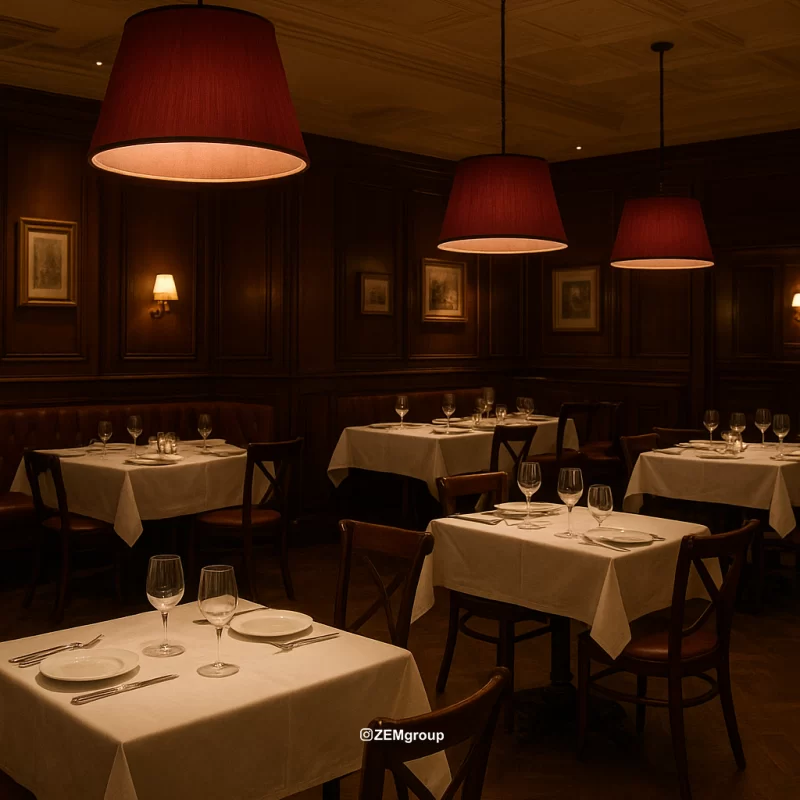
Low lighting typically creates a calm, romantic, and cozy atmosphere that encourages customers to stay longer—think of candlelit dinners in a fine-dining setting. Such environments often use dimmable ceiling lights and plenty of accent sources.
Low lighting fosters intimacy by softly illuminating certain parts of the room—like over dining tables or bar counters—while leaving other areas more subdued to create a sense of privacy.
Even in low-lit spaces, however, sufficient ambient light should be maintained for safety and movement.
Bright Lighting
Bright lighting gives customers a sense of energy and alertness, making it suitable for lively venues like cafés, juice bars, or family restaurants. This level of brightness can be achieved through large windows with ample natural light or high-intensity ceiling fixtures.
Lighting for Different Times of the Day
When designing restaurant lighting, consider what kind of mood you want to create at different times of the day—and during which meals your restaurant operates.
If your establishment serves breakfast, your lighting design will differ significantly from that of a romantic dinner restaurant. For those serving multiple meals (breakfast, lunch, dinner), it’s best to adjust the lighting accordingly.
Breakfast
Bright lighting works best in the morning, helping customers wake up and read their newspapers or phones easily. Natural light is ideal for this time.
Lunch
During lunch hours, medium-level lighting is appropriate. Relatively bright lighting suits fast-food restaurants and takeout spots, as customers typically spend less time there. It can also encourage faster table turnover during peak hours.
Dinner
Restaurants that mainly operate during dinner hours usually aim for a cozy and relaxed ambiance, whether casual or fine dining. Since dinner is a time for rest and conversation after a long day, warm, dim lighting helps customers linger longer and often results in more dessert or drink orders.
Types of Restaurant Lighting
Designing restaurant lighting offers a range of options. Different areas may require different light levels depending on natural light and time of day.
Electrical Lighting
Electric lighting sources are the most controllable and are used in nearly all commercial spaces. These include ceiling-mounted fluorescent lights, recessed lighting, table lamps, candles, and other adjustable fixtures.
Natural Lighting
Natural light not only provides free illumination but also makes your restaurant feel more open and lively.
Install tall windows, large glass doors, or skylights to maximize daylight.
Place tables near windows so customers can enjoy the sunlight—but avoid seating near drafty doors or busy entrances.
To optimize natural light, consider the sun’s movement throughout the day. Guests facing east or west may receive direct sunlight, so blinds or curtains are necessary to regulate brightness. Seasonal and weather changes also affect how much daylight enters the restaurant.
Outdoor Lighting
The exterior of your restaurant is an extension of the indoor dining experience and serves as an advertisement for your brand.
Treat outdoor lighting design with the same care as interior lighting. Highlight architectural details, illuminate signage, and ensure outdoor seating remains well-lit after dark.
You can use string lights, lanterns, candles, and pathway lights to guide guests safely back to the entrance.
Safety and security are key considerations. Parking lots, entrances, exits, sidewalks, and ramps should all be adequately lit to prevent accidents. Properly lit signage and entryways make your restaurant visible from afar and help deter vandalism or theft. Additionally, good exterior lighting can help with pest control.
Smart Lighting Systems in Restaurants
In today’s fast-paced world, efficiency and cost savings are top priorities for restaurant owners. One innovative way to achieve both is through smart lighting systems.
These systems offer various features that enhance customer experience, reduce energy consumption, and lower operational costs. Below are their most important features:
Daylight Sensors
These sensors integrate with existing lighting systems and automatically dim or turn off lights when sufficient natural light is present. This reduces energy use while maintaining a natural, pleasant environment.
Dimming Control
Smart systems allow precise control over light intensity.
For instance, you can brighten the space during peak hours and dim it during dinner for a more intimate atmosphere.
Motion Detectors
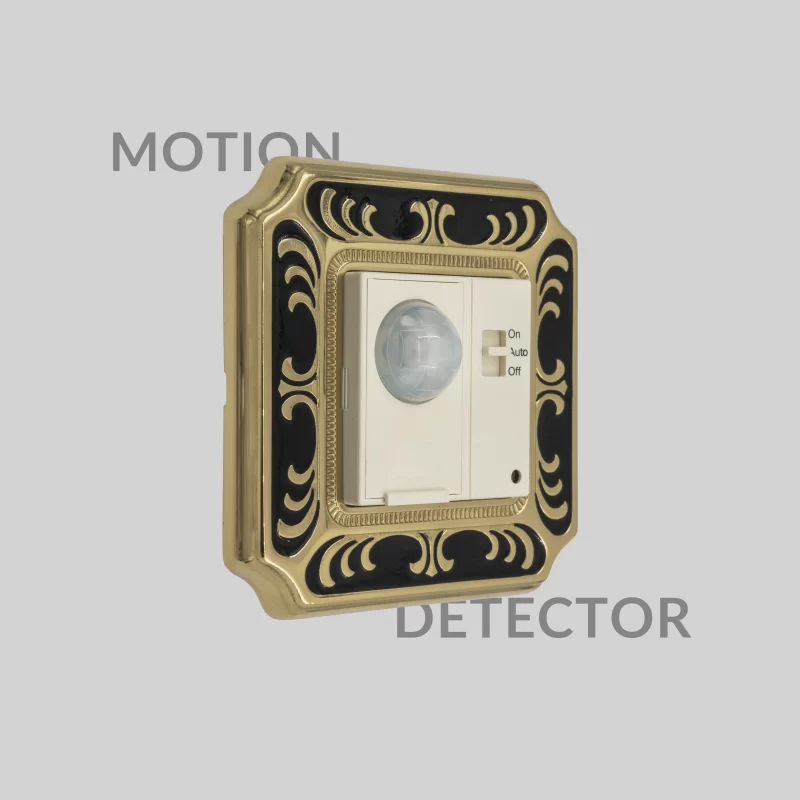
These sensors detect occupancy and adjust lighting accordingly. Lights automatically switch off in unoccupied areas and turn on when people enter, saving energy.
Timelocks
Timelocks enable scheduling lights to turn on or off at specific times, making management easier and ensuring no energy is wasted during off-hours.
Types of Wall and Ceiling Lights
Choosing the right lighting fixtures plays a vital role in enhancing the restaurant’s ambiance and comfort. Below are the main types of fixtures commonly used in restaurant lighting:
Pendant Lights
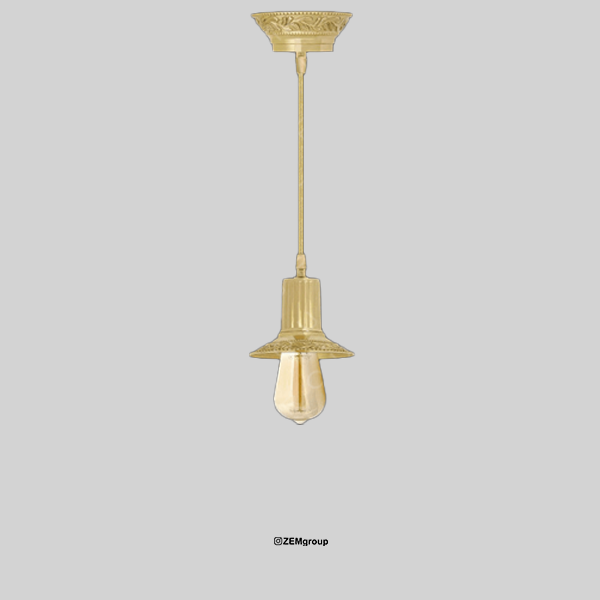
Pendant lights are among the most popular options in restaurant lighting because they are both functional and decorative. Hanging from the ceiling, they provide focused illumination over dining tables, bar counters, or designated areas without cluttering ceiling space.
Available in a wide range of styles—from modern and minimal to classic and crystal—they can perfectly match any interior theme.
When installed at the correct height and spacing, pendant lights provide even illumination without glare and can act as visual focal points that elevate the dining experience.
Chandeliers
Chandeliers are symbols of elegance and luxury in restaurant lighting, instantly transforming any space into a magnificent, eye-catching setting. Typically hanging from the ceiling with multiple arms and crystal or glass ornaments, chandeliers scatter light beautifully throughout the room.
Beyond illumination, they serve as key decorative elements, conveying a sense of sophistication and prestige.
Choosing the right size, shape, and height ensures harmony with the dining area’s proportions while providing balanced, pleasant light. Installing chandeliers above central tables, the main hall, or even the entrance draws customers’ attention and enhances their overall impression of the restaurant.
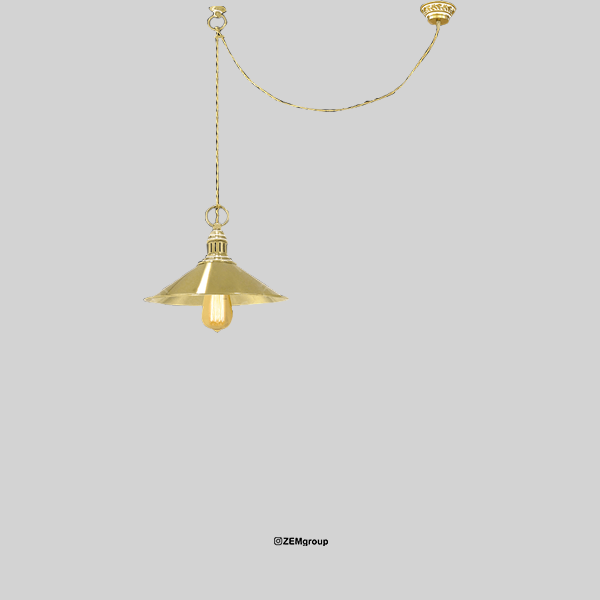
Ceiling Fans with Lights
In warmer climates or outdoor areas, ceiling fans with built-in lights are a practical and cost-effective choice. They provide both illumination and air circulation, ensuring comfort.
Wall Light
Wall sconces are stylish and functional lighting fixtures that mount directly to the wall. They create soft, diffused light, establishing a warm and inviting atmosphere without over-brightening the space.
Sconces are commonly installed in hallways, entrances, or beside tables and serve both decorative and accent purposes.
Available in modern, minimal, classic, and luxury designs, they easily match any restaurant style. When used strategically, sconces can highlight specific areas and enhance visual comfort. Combining them with ambient and pendant lighting creates a well-balanced and cozy dining environment.
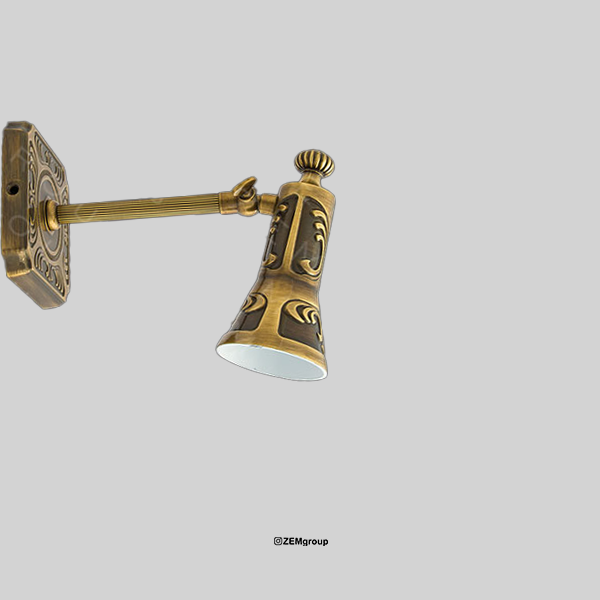
Track Lighting
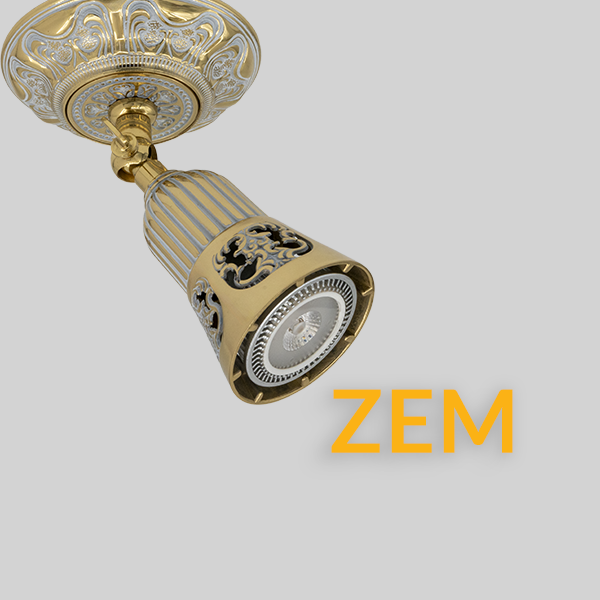
Track lighting systems consist of adjustable light fixtures mounted along a track. They are ideal for illuminating tables, buffets, or artworks, allowing flexible directional control.
LED Lighting
LED lights are widely used in the restaurant industry due to their low energy consumption, long lifespan, and color versatility. Warm white tones create intimacy and relaxation, while cool white tones offer a modern and energetic feel.
Recessed Lighting
Installed directly into the ceiling, recessed lights provide a clean, minimalist look. They are often used for general illumination in dining rooms and hallways.
Kitchen Lighting
In restaurant kitchens, proper lighting is essential for safety and precision. Under-cabinet or task lighting ensures that staff can work efficiently and accurately.
FAQs
1. Why are wall sconces important in restaurant design?
Wall sconces not only provide soft, complementary lighting but also create warmth and intimacy in the space. They can highlight certain areas or decorations, adding an artistic touch to the interior.
2. What are the best locations to install wall sconces in a restaurant?
The most popular locations are along walls near dining tables, entrances, hallways, or around artworks. Installing them at the right height (usually between 1.5 and 1.7 meters above the floor) ensures even light distribution and prevents glare.
3. Which type of wall sconce is most suitable for restaurants?
That depends on your décor style. For modern interiors, choose minimalist metal sconces. For classic or luxury restaurants, crystal or brass sconces are better suited.
4. Can wall sconces be controlled by smart lighting systems?
Yes. Many modern sconces are compatible with smart systems, allowing you to adjust brightness, color, and on/off scheduling via app or remote control.
5. What is the difference between wall sconces and pendant lights in a restaurant?
Pendant lights usually provide focused lighting over tables, while wall sconces offer indirect and complementary illumination, creating a balanced and inviting visual effect when used together.

