
Industrial Interior Design Style: A Blend of Authenticity, Simplicity, and Strength
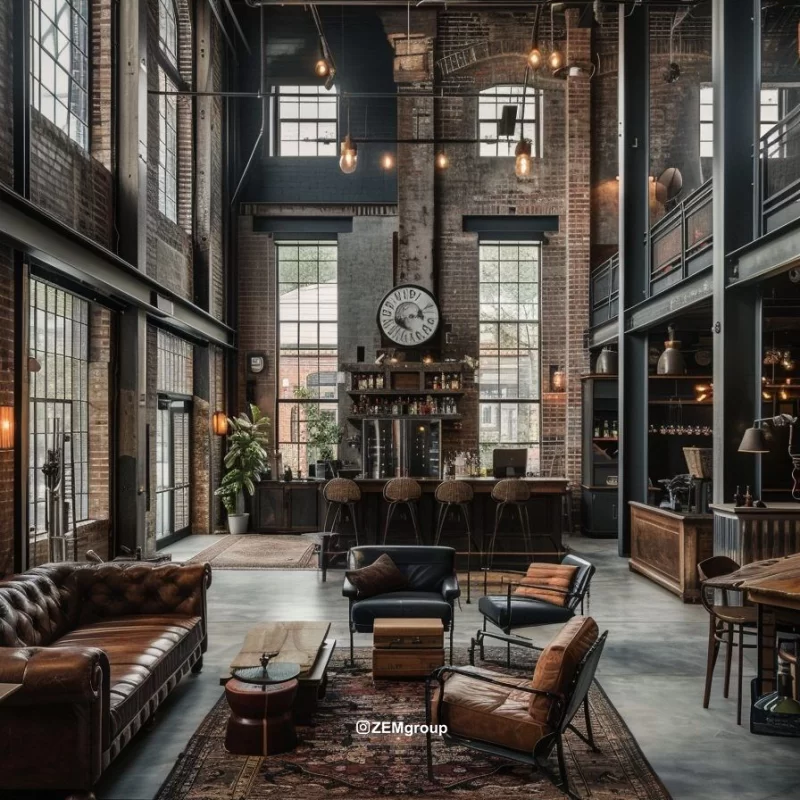
The industrial style is one of the most popular and influential interior design trends of recent decades, especially in urban environments, cafés, offices, and modern apartments. This style is characterized by its raw appearance, natural materials, neutral colors, and the unpretentious combination of wood and metal. An industrial space evokes the atmosphere of old workshops and factories — places where functionality and authenticity mattered more than decorative luxury.
In fact, the beauty of the industrial style lies not in extravagance, but in the honesty and simplicity of the materials themselves. Exposed brick walls, visible metal pipes, old wooden beams, and metallic lighting fixtures proudly display their structure instead of concealing it. This honest approach to materials and construction is the very essence of industrial design.
The History and Origins of the Industrial Style
The roots of the industrial style date back to the Industrial Revolution of the 18th and 19th centuries. During this era, numerous factories and workshops were built across Europe and America to support mass production. After World War II, many of these industrial buildings were abandoned. Creative designers, artists, and young urban residents began converting these large, empty spaces into homes, studios, and galleries.
With their high ceilings, large windows, and exposed brick or steel structures, these buildings possessed a natural, rugged beauty. Rather than hiding pipes, wiring, or metal beams, residents decided to celebrate these elements as part of the interior aesthetic. Thus, the industrial style was born — a design philosophy that transformed simplicity and realism into beauty.
In the 1960s and 1970s, especially in cities like New York and London, a new trend called “lofts” emerged — apartments built in the upper floors of old factories that were converted into modern living spaces with minimal alteration. These lofts inspired a new generation of interior designers and helped establish the industrial style as one of the most enduring trends in contemporary design.
Main Features of the Industrial Style
The industrial style combines visual and functional elements that together create a simple, efficient, yet visually striking environment. Below are the key characteristics that define this unique aesthetic:
- Use of Raw and Natural Materials
The most defining feature of the industrial style is its celebration of raw materials in their most natural form. In this design, there is no attempt to conceal or over-finish surfaces; instead, the materials proudly display their natural imperfections.
- Exposed brick walls without plastering
- Concrete floors with visible texture
- Exposed metal beams and pipes
- Reclaimed and weathered wood
All these elements add authenticity and personality to the space. The beauty lies in the unpolished, honest expression of the materials themselves.
- Metal: The Core of Industrial Power
Metal is the backbone of industrial design. From steel frames and iron structures to smaller details such as handles, switches, or table legs, metal plays a crucial role in creating a bold and sturdy atmosphere.
Modern industrial interiors often feature a combination of different metals such as steel, brass, copper, and raw iron. Even aged or brushed metals are highly valued because they convey a sense of heritage and authenticity.
A modern approach to this style includes contrasting finishes — mixing polished and matte metals to create depth and visual interest. For example, a wooden table with steel legs or brass pendant lights against concrete walls can make the space look both elegant and industrial.
- Reclaimed Wood: Balancing Warmth and Strength
Alongside metal, wood plays a vital role in softening the hardness of industrial materials. Old or reclaimed wood, with its natural grain and imperfections, brings a sense of warmth and comfort into spaces that might otherwise feel too cold or mechanical.
The warm tones of wood contrast beautifully with the cool tones of concrete and metal, achieving a balanced visual harmony. In most industrial interiors, wood is used untreated or matte-finished so that its natural texture remains visible. Tables, doors, shelves, and cabinetry made of reclaimed wood often become the highlights of such spaces.
- Leather and Natural Fabrics
Leather furniture in deep tones such as brown, burgundy, charcoal, or black is a hallmark of the industrial style. Genuine leather develops a rich patina over time, enhancing the sense of authenticity and timelessness.
Natural fabrics like cotton, linen, and wool are also used for cushions, throws, and curtains, typically in neutral, solid colors. The goal is to maintain a clean, minimalist atmosphere while preserving comfort.
- Industrial Color Palette
The color scheme in industrial design draws inspiration directly from natural and construction materials. The palette usually includes gray, black, white, beige, brown, and oxidized metal tones.
To avoid monotony, designers often introduce accent colors such as brick red, copper, or burnt yellow in small details — artworks, cushions, or lamps — to bring warmth and energy to the space.
- Lighting in Industrial Design
Lighting plays a role far beyond mere illumination in industrial interiors. Metal pendant lamps, Edison bulbs, and workshop-style spotlights are iconic lighting features of this design.
Fixtures with fabric cords or chain suspensions, hung at varying heights, create a dynamic and artistic composition. The lighting is typically warm and soft, complementing the earthy tones of the materials.
Switches and Sockets in Industrial Interiors
In industrial interior design, switches and sockets are more than just functional elements — they are visual details that complete the raw, mechanical character of the space. Unlike modern minimalist or classic decorative styles, industrial design celebrates exposed components and authentic materials. Therefore, the choice of switches and sockets plays a crucial role in reinforcing the industrial atmosphere.
- Material and Finish
Switches and sockets in industrial-style interiors are typically made from metal, brushed steel, aluminum, or cast iron. These materials not only ensure durability and safety but also highlight the rugged charm that defines the industrial aesthetic. Matte black, graphite gray, and aged brass finishes are among the most popular options. The slight imperfections in the surface—like brushed textures or visible screws—create a sense of authenticity and craftsmanship.
- Visible Wiring and Conduits
In this style, instead of concealing wires within walls, exposed conduit systems are often used intentionally. The visible metal pipes running along brick or concrete walls enhance the raw and unfinished aesthetic. Therefore, switches and sockets designed for surface mounting with industrial-style conduit fittings are ideal choices. They not only simplify installation in lofts or older buildings but also add a decorative element consistent with the overall theme.
- Color Coordination
To maintain visual balance, it’s important that the color of the switches and sockets matches or complements other metallic elements such as light fixtures, door handles, or furniture legs. For instance, black matte switches blend perfectly with iron lighting frames, while brass-toned sockets can echo the warmth of vintage pendant lights. This harmony between details creates visual unity throughout the space.
- Functionality and Modern Comfort
Although the industrial style emphasizes a vintage look, this doesn’t mean giving up on modern comfort. Many manufacturers now offer industrial-inspired smart switches that retain the raw design of metal and mechanical toggles but feature advanced technologies such as touch control, Wi-Fi connectivity, or voice commands. These options allow homeowners to enjoy the best of both worlds — an authentic industrial appearance with cutting-edge convenience.
- Matching Lighting and Accessories
Switches and sockets should complement industrial lighting such as pendant lamps, wall sconces, and track lights. For a cohesive look, select models that visually echo the bulb holders, lamp cages, or metal mesh used in the lighting fixtures. Even small details — such as toggle switches with knurled knobs — can enhance the overall industrial identity of the interior.
Modern Switches and Sockets — Zino Series
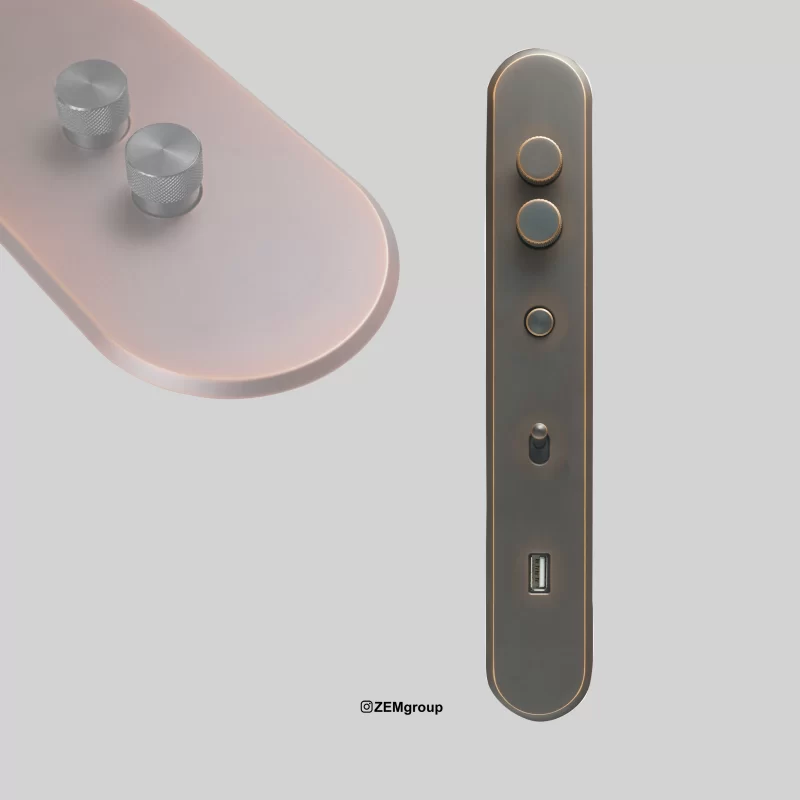
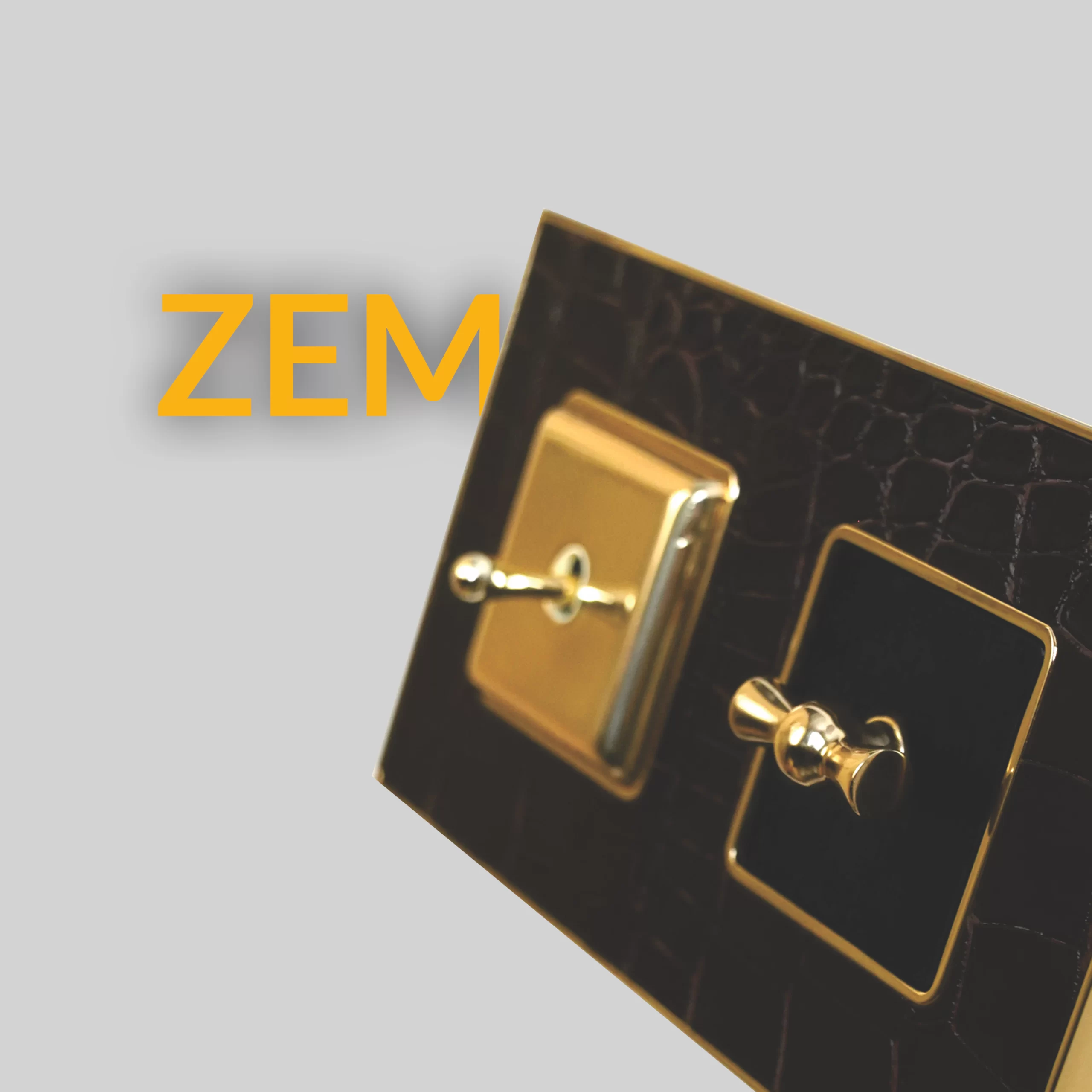
The Zino collection of modern and distinctive switches and sockets is an excellent choice for industrial design. With its multi-frame structure and brass borders, this model successfully combines industrial aesthetics with a modern touch.
Its color palette includes charcoal, black, honey, bronze, gunmetal gray, and leather finishes — exactly the tones that belong to the industrial color scheme.
This model can be equipped with various mechanisms such as toggle switches, push-button controls, or even USB chargers, offering both functionality and beauty.
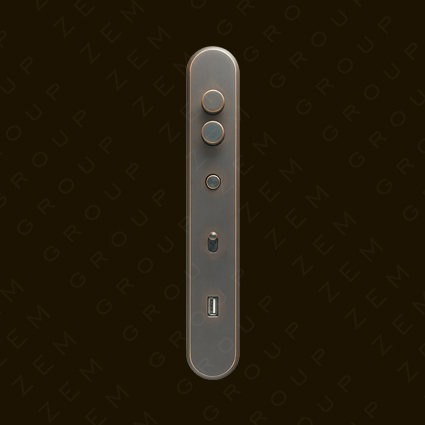
Smart Switches and Sockets — Zima Series
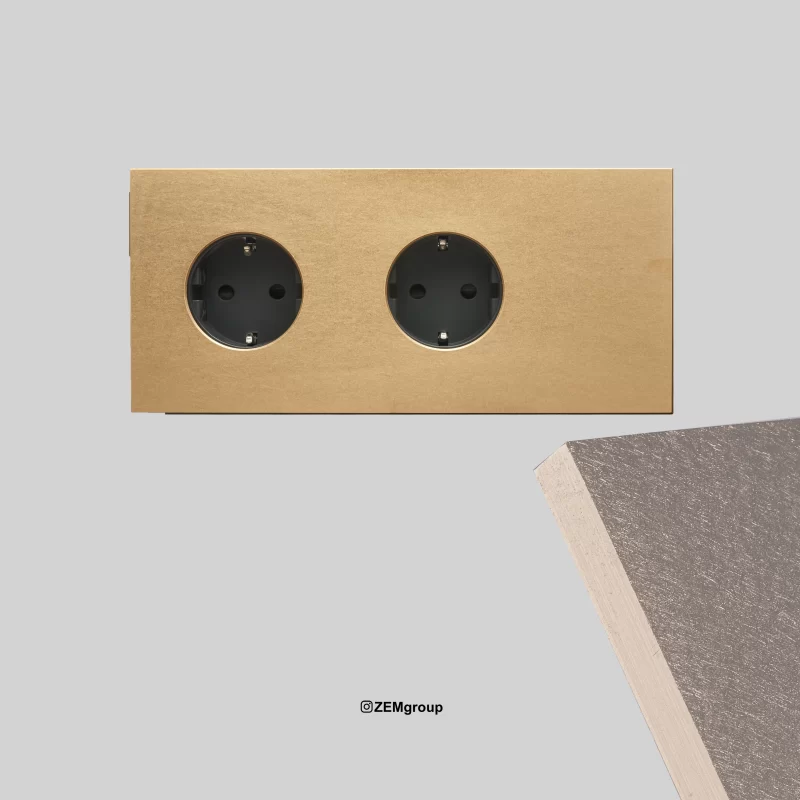
In modern industrial design, technology also plays an important role. The Zima Smart Switch and Socket series is a perfect example of how industrial aesthetics can merge with modern innovation.
Its metal body and minimalist design maintain the authenticity of the style while giving the space a sophisticated, futuristic appearance.
These models can be integrated into smart home systems, dimmers (for light intensity control), smart hotel locks, and other advanced features — making them ideal for contemporary industrial environments.
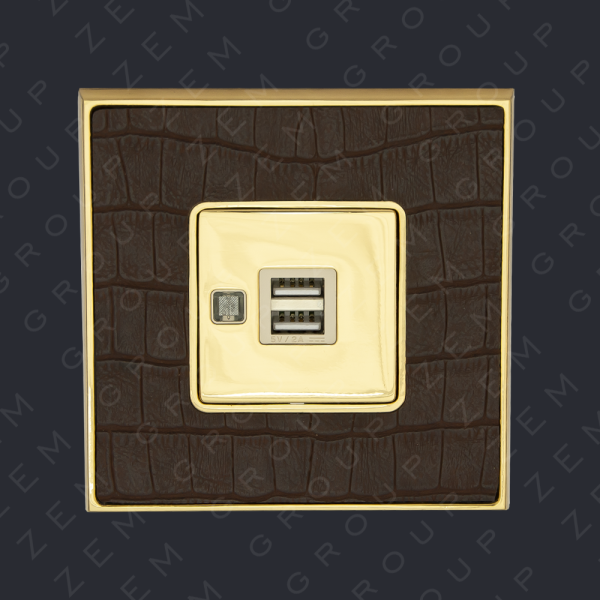
Luxury Switches — Leather and Fabric Series
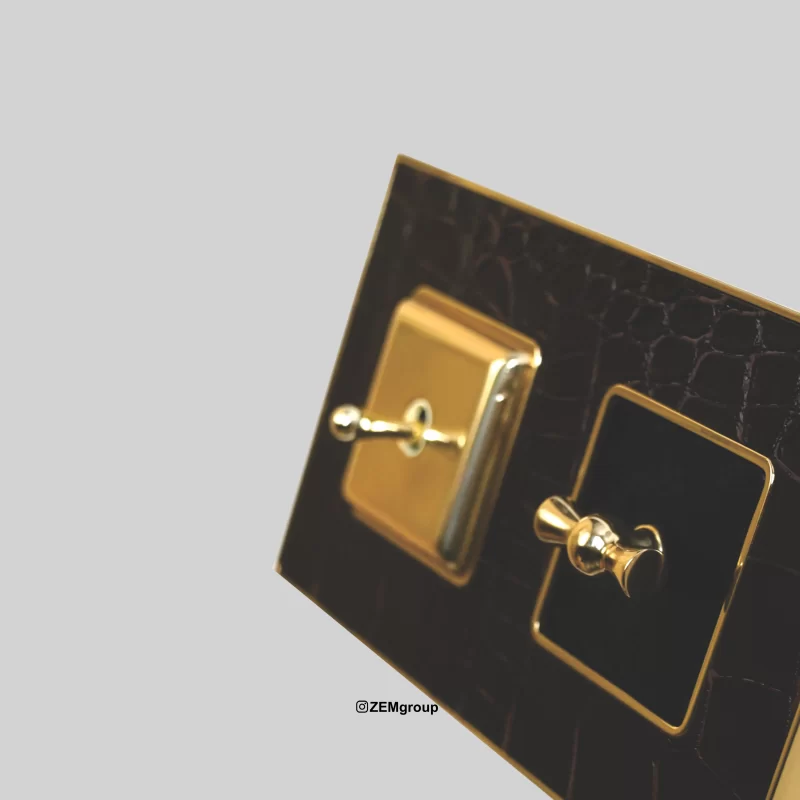
If you wish to add a touch of luxury to your industrial interior, leather and fabric switch collections are a unique option. These models combine natural leather, textured fabrics, and brass frames with gold or silver plating, creating a sophisticated look that pairs beautifully with leather furniture and natural materials.
The presence of black and burnt brown tones in these models makes them perfect for modern industrial or office spaces.
Furniture and Layout in Industrial Design
Furniture in industrial interiors should be simple, functional, and durable. Overly decorative designs have no place in this style.
Wooden tables with metal legs, open shelving units, leather chairs, and metal benches are some of the key elements.
The use of reclaimed or handcrafted furniture is also common. For instance, tables made from old wooden planks or repurposed workshop stands help preserve the authentic industrial character of the space.
Common decorative accessories include:
- Large metal wall clocks
- Vintage posters with industrial typography
- Pendant lamps and Edison bulbs
- Metal or concrete planters with simple green plants
Open Spaces and Layout
A key feature of industrial design is the open-plan layout. In these spaces, boundaries between different zones such as the living room, kitchen, and workspace are not defined by walls but by furniture arrangement or color contrast.
High ceilings, large windows, and plenty of natural light enhance the feeling of spaciousness and freedom. This concept, inspired by workshops and factory halls, creates a bright, airy, and energetic atmosphere.
Blending Industrial with Other Styles
Although the industrial style has a strong and independent identity, it can be beautifully combined with other interior design styles:
- Industrial–Modern: Combining clean lines and glossy surfaces with raw materials.
- Industrial–Vintage: Adding antique accessories, classic posters, and natural leather furniture.
- Industrial–Minimal: Removing unnecessary decorations and focusing on pure functionality.
These combinations allow designers to create personalized spaces that align with the user’s lifestyle and needs.
Practical Tips for Designing Industrial Spaces
- Maximize natural light.
- Don’t be afraid of exposed walls and pipes — they’re part of the beauty.
- Balance cold materials (metal, concrete) with warm ones (wood, leather).
- Use neutral tones for the base and warm hues for accents.
- Choose switches, sockets, and electrical fittings that harmonize with the décor.
- Keep spaces open and uncluttered — spaciousness is the soul of industrial design.
The industrial interior style is a fusion of authenticity, simplicity, and strength. It not only gives a space a distinctive appearance but also tells a story of history, craftsmanship, and creativity. Exposed brick walls, raw metals, aged wood, and Edison bulbs all evoke the spirit of the industrial era.
In such spaces, every detail — from furniture to modern, designer switches and sockets — should resonate with the industrial essence.
That’s why collections like Zino, Metal, and Leather & Fabric from premium brands are among the best choices for completing an industrial interior.
By following these principles and making thoughtful design decisions, you can create a space that feels both warm and inviting, yet modern and flawless — a space that proudly embodies authenticity while reflecting the spirit of contemporary living.
Frequently Asked Questions About Industrial Interior Design
- Is the industrial style only suitable for large spaces?
No. With the right choice of colors, furniture, and lighting, even small spaces can beautifully reflect the industrial aesthetic. - Can the industrial style be applied in residential homes?
Absolutely. This style is no longer limited to cafés or offices. With a bit of creativity, it can be perfectly adapted to modern homes and apartments. - What are the best materials for switches and sockets in industrial design?
Metal models made from brass or stainless steel, especially Zino or smart metal models, are the best choices. - How can an industrial space feel warmer?
By adding wood, natural leather, soft yellow lighting, and green plants. - What’s the difference between industrial and minimal styles?
Both emphasize simplicity, but minimalism focuses on emptiness and visual purity, while industrial style highlights the authenticity of materials and exposed structures.