


Shabby Chic is one of the most popular and charming interior design styles, finding a special place in both classic homes and modern spaces. This style combines elegance, warmth, and a nostalgic feel, creating a cozy and relaxing atmosphere while giving homes a unique personality. Unlike some modern styles that emphasize clean lines and minimalism, Shabby Chic pays special attention to details, textures, and soft colors, finding beauty in subtlety and even signs of wear.
Rachel Ashwell introduced Shabby Chic in its modern form in the 1980s. By using old and second-hand furniture and combining it with fabrics, colors, and delicate decorations, she created spaces that looked luxurious while conveying the warmth of rustic and historical homes. Since then, Shabby Chic has become a widely recognized and popular interior design style worldwide, appearing in homes, shops, and even luxury hotels.
One of the standout features of Shabby Chic is its focus on delicacy and small details. Even the tiniest elements—a vintage mirror with a handcrafted frame, a brass candlestick, or a patchwork tablecloth—can give the entire space character and identity. This style emphasizes that beauty is not always in perfection but sometimes in the charming signs of wear and use over time.
Additionally, Shabby Chic creates a soothing and relaxing environment. Light and pastel colors, natural light, and natural elements such as flowers and dried branches all contribute to a sense of calm and intimacy. For this reason, many people seeking a cozy, charming, and nostalgic space choose Shabby Chic.
Finally, Shabby Chic is a flexible and hybrid style. It blends well with modern, minimalist, and even industrial décor, as long as its principles are maintained—attention to color, texture, delicate details, and balance between old and new. This flexibility makes Shabby Chic an ideal choice not only for classic homes but also for modern urban apartments.
History and Origins of Shabby Chic
Shabby Chic has its roots in European culture and design, primarily inspired by the Victorian era in England and rural European traditions. During that time, homes and palaces were filled with furniture and decorative items, but rural residents, due to limited resources, often used second-hand or worn furniture, creatively restoring them. This combination of beauty and functionality laid the foundation for Shabby Chic.
A key principle of this style is using old and worn items as decorative elements. Cracks, peeling paint, and signs of long-term use are not considered flaws; instead, they are celebrated as evidence of beauty and history. The idea that beauty can be found in the passage of time is central to the philosophy of Shabby Chic.
In the 1980s, Rachel Ashwell redefined the style in a modern and recognizable form. She opened stores selling second-hand furniture, artwork, and vintage décor. By combining old items with pastel fabrics and colors, she created delicate and charming spaces suitable for modern homes. This approach made Shabby Chic popular worldwide, establishing it as a widely admired interior design style.
Shabby Chic shares similarities with French country design and vintage styles. However, what sets it apart is its attention to small details, the use of light and pastel colors, and the fusion of worn elements with elegance and beauty. Shabby Chic is not merely a design style; it is a lifestyle philosophy that celebrates peace, intimacy, and beauty in simplicity and history.
Over the years, Shabby Chic has evolved and branched into various sub-styles, including luxury Shabby Chic, modern Shabby Chic, and industrial Shabby Chic. Each branch maintains the core principles while emphasizing its own unique features. All variants focus on old furniture, light colors, soft fabrics, and handcrafted details.
Today, Shabby Chic is seen not only in homes but also in shops, cafes, and hotels worldwide, recognized as a style that finds beauty in time and delicate details.
Features and Design Principles of Shabby Chic
Shabby Chic stands out with its delicate, rustic, yet chic appearance. This style emphasizes elegance, nostalgia, and comfort, with each small detail carrying special importance. Below are the key features and design principles:
1. Use of Old and Restored Furniture
One of the main principles of Shabby Chic is incorporating old or second-hand furniture. These pieces may come from flea markets, auctions, or even family heirlooms that have been restored. Sometimes, new furniture is artificially distressed to create a nostalgic feel.
-
Painted wood with natural or artificial peeling is a popular element.
-
Combining classic curved furniture forms with modern elements creates an appealing balance.
2. Light and Pastel Colors
Colors play a crucial role in creating a sense of calm and softness. Shabby Chic typically uses whites, beiges, creams, soft pinks, sky blues, and gentle grays.
-
Light colors make spaces appear larger and brighter.
-
Pastel shades create harmony and a sense of delicacy, blending well with worn furniture and fabrics.
-
Neutral backgrounds with soft-colored details enhance visual appeal.
3. Soft Fabrics and Textures
High-quality, textured fabrics are a cornerstone of Shabby Chic. Using linen, cotton, silk, and lace conveys softness and warmth.
-
Simple, thin curtains, floral tablecloths, and patchwork cushions are common.
-
Combining fabrics with different textures adds depth and visual interest.
4. Handcrafted Details and Delicate Decorations
Shabby Chic values small, handmade details that give spaces character:
-
Vintage porcelain, brass candlesticks, and handmade artworks are popular.
-
Decorated photo frames, carved wooden mirrors, and crystal vases add a charming, classic touch.
5. Integration with Natural Elements
Shabby Chic has a close connection with nature, and flowers, branches, and plants are integral:
-
Fresh or dried flowers and clay vases are commonly used.
-
Roses and lavender add both visual beauty and a pleasant fragrance.
-
Green plants harmonize with pastel colors, enhancing freshness and calm.
6. Lighting and Fixtures
Lighting plays a vital role in Shabby Chic:
-
Natural light filtered through thin linen or lace curtains brightens the space.
-
Classic or crystal table and wall lamps add warmth and luxury.
-
Even the choice of luxurious light switches and sockets can enhance the harmony of the décor.
7. Mixing Old and New
A secret to Shabby Chic’s success is balancing old and new elements:
-
A distressed coffee table can be paired with a modern sofa.
-
Incorporating modern items alongside second-hand furniture keeps the space both nostalgic and functional.
Natural Elements in Shabby Chic
Nature has a deep connection with Shabby Chic, and using natural elements is a core principle. These elements not only enhance beauty but also create a sense of calm, freshness, and intimacy.
1. Fresh Flowers and Plants
Fresh flowers, such as roses, wildflowers, and lavender, add visual beauty and pleasant fragrance.
-
Vases: Clay, ceramic, or glass vases with simple or handmade designs are typical.
-
Placement: Flowers can be placed on coffee tables, consoles, or window sills. Even a single stem in a small vase can convey Shabby Chic’s delicacy.
-
Color Combination: Pastel-colored flowers harmonize with the décor, creating a serene environment.
2. Dried Branches and Flowers
Dried branches and flowers are a creative element in Shabby Chic, used in tall vases, hanging decorations, or frames.
-
Dried lavender and wildflowers create a natural, rustic look.
-
These elements provide a nostalgic and simple, low-cost decoration.
3. Green Indoor Plants
Green plants add life and freshness to corners, windowsills, or consoles.
-
Houseplants like ficus, pothos, or sansevieria add vibrancy.
-
Combined with pastel wall colors and furniture, they maintain harmony between nature and interior design.
4. Other Natural Materials
Shabby Chic also emphasizes materials like wood, clay, and stone.
-
Reclaimed wood is used for tables, chairs, and frames, adding warmth and rustic charm.
-
Clay and ceramic in vases, dishes, and accessories enhance the natural and handmade feel.
5. Natural Lighting and Harmony with Nature
Natural light highlights natural elements. Thin linen or lace curtains allow gentle sunlight, making pastel colors, textures, and vintage furniture stand out.
-
Placing plants and flowers near windows enhances their visibility and liveliness.
-
Combining natural light with warm artificial lighting creates a soothing and charming space.
Lighting Fixtures and Luxurious Switches in Shabby Chic
Attention to small but impactful details is key in Shabby Chic. Lighting fixtures and switches, while functional, play a major role in color, texture, and overall harmony.
1. Importance of Lighting
Proper lighting makes a space inviting, warm, and attractive while highlighting Shabby Chic details:
-
Natural light through thin curtains enhances pastel colors and vintage furniture.
-
Classic or crystal lamps serve as both illumination and decorative elements.
-
Warm light combined with pastel colors creates the cozy atmosphere typical of Shabby Chic.
2. Luxurious Switches and Sockets: Small Details, Big Impact
Although switches may seem minor, they greatly influence the overall aesthetic. Using luxurious and style-appropriate switches completes and enhances the Shabby Chic look.
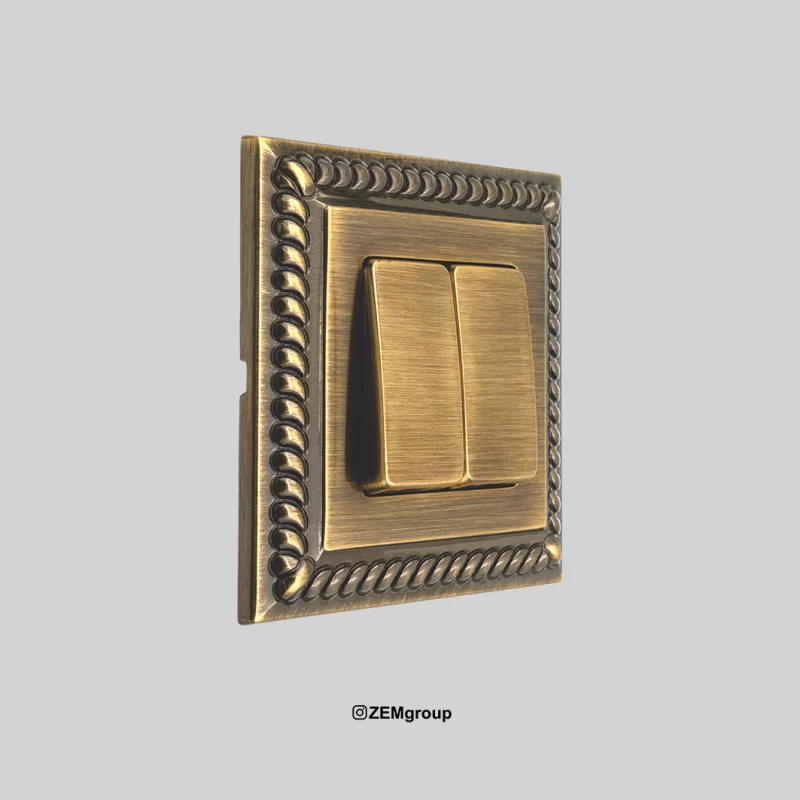
Sevilla Model:
-
Classic Shabby Chic design made of brass with handcrafted anti-rust finish.
-
Available in gold, copper, and shiny patina colors.
-
Simple design with rope-like texture in the frame adds a 3D effect and handmade charm.
-
Suitable for 1–5-gang frames for full harmony.
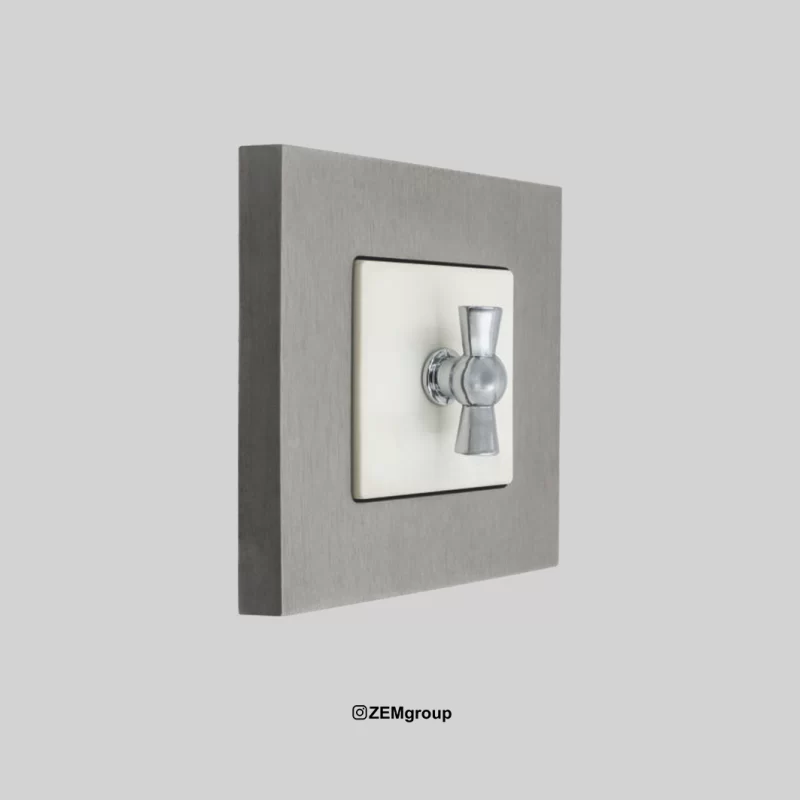
Soho Model:
-
Modern and stylish design inspired by modern Shabby Chic.
-
Made of brass with handcrafted finishes by artisans.
-
Available in gold, silver, graphite, and copper.
-
Multi-gang frames ensure consistency and coordination with overall décor.
3. Combining Lighting Fixtures with Shabby Chic Décor
-
Crystal or glass lamps reflect light, creating a luxurious and romantic atmosphere.
-
Candlesticks and classic table lamps add warmth and nostalgia.
-
Combining natural and artificial light highlights fabric textures, pastel colors, and vintage furniture details.
4. Practical Tips for Choosing Fixtures
-
Match switch and socket colors with walls, furniture, and accessories.
-
Use decorative and textured switches to enhance handmade and delicate feel.
-
Avoid overly modern or industrial fixtures; they should blend in with colors and textures.
Integrating Shabby Chic with Modern Décor
Although rooted in classic and rustic design, Shabby Chic can easily be integrated with modern décor for a unique environment. The key to success is balancing elegance with simplicity, old with new, and light with neutral colors.
1. Balancing Old and New Elements
-
Pair a distressed wooden coffee table with a modern sofa for visual balance.
-
Use neutral modern furniture to highlight Shabby Chic details.
-
Mixing vintage accessories with modern items creates nostalgia while keeping the space up-to-date.
2. Utilizing Open Spaces and Natural Light
-
Modern design emphasizes open, bright, and well-lit spaces, which align with Shabby Chic.
-
Thin linen or lace curtains allow sunlight to enhance pastel colors, soft fabrics, and vintage furniture.
-
Open spaces ensure flowers, vases, and handmade details are noticeable and impactful.
3. Focusing on Delicate Details
-
Crystal vases, small framed mirrors, and scented candles create warmth and coziness.
-
Handmade and vintage accessories add subtle, attractive contrast to simple modern lines.
-
Luxurious Shabby Chic switches and sockets on plain walls create a chic, cohesive look.
4. Colors and Textures
-
Pastel Shabby Chic colors on neutral modern backgrounds create gentle contrast and visual harmony.
-
Soft, natural fabrics like linen, cotton, and lace provide comfort alongside modern furniture.
-
Natural textures of wood and clay add depth and dimension when combined with metal and glass modern elements.
5. Creating Harmony in Modern Spaces
-
Ensure Shabby Chic elements complement the modern style without making the space appear cluttered.
-
Select key items like a modern sofa, a distressed coffee table, and a few handmade accessories to showcase Shabby Chic.
-
Correct combination of colors, textures, and lighting makes the décor both beautiful and functional.
6. Practical Example of Shabby Chic and Modern Combination
-
Living Room: Gray modern sofa with distressed wooden coffee table, rose in a vase on the table, crystal table lamp with San Remo switch.
-
Bedroom: Old wooden bed with pastel linen bedding, thin white curtains, small handcrafted mirrors on the wall.
-
Kitchen: White modern cabinets with patina handles and clay accessories, crystal pendant lights, fresh flowers on the counter.
Frequently Asked Questions (FAQ)
1. Which spaces are suitable for Shabby Chic?
Shabby Chic works best in spaces with ample natural light, including living rooms, bedrooms, and cozy kitchens. Even small spaces can feel like charming Shabby Chic environments with appropriate furniture and accessories.
2. How can I combine Shabby Chic with modern décor?
-
Pair modern furniture with vintage tables or chairs.
-
Mix pastel Shabby Chic colors with neutral modern tones.
-
Use delicate accessories such as vases, candles, and decorative mirrors to add warmth.
3. What types of fabrics are used in Shabby Chic?
Fabrics such as linen, cotton, silk, and lace are commonly used, adding softness, natural feel, and rustic charm.
4. What role do luxurious switches and sockets play in Shabby Chic?
Even small details like switches and sockets add luxury, cohesion, and beauty. Models such as San Remo, Soya, and Soho, with handcrafted designs and pastel or gold finishes, complete the Shabby Chic environment.
5. How can I incorporate natural elements in Shabby Chic?
-
Use fresh flowers and dried branches in clay or glass vases.
-
Place indoor plants in corners and near windows.
-
Use reclaimed wood, clay, and stone for furniture and accessories.
6. Is Shabby Chic suitable for small spaces?
Yes. By choosing small furniture, compact accessories, and light pastel colors, even small areas can feel open, cozy, and inviting in Shabby Chic style.

