


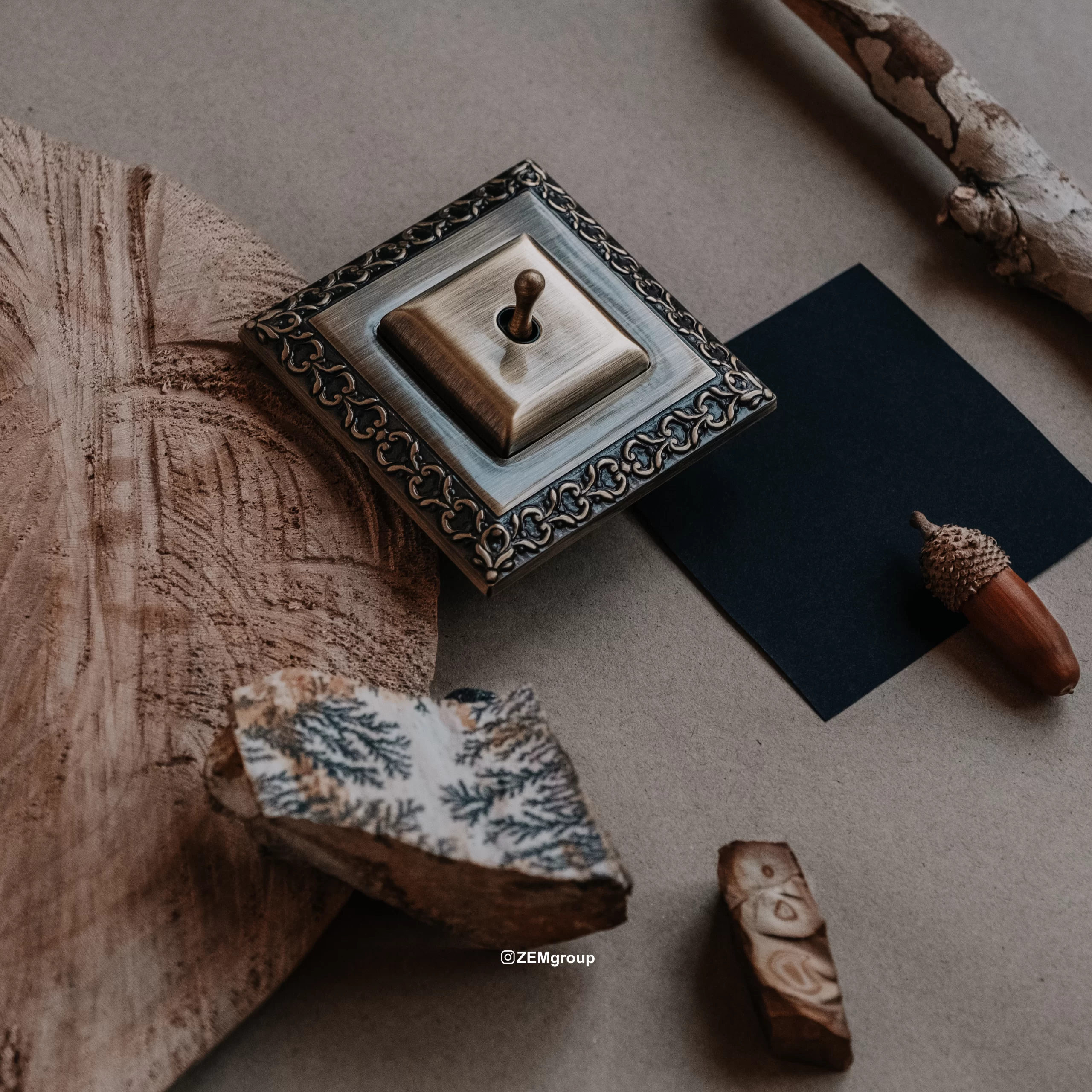
In the world of luxury interior design, no detail is insignificant. Every component, even the smallest, plays a key role in creating harmony, identity, and grandeur within a space. Switches and sockets are among those seemingly simple elements that can, in fact, become a signature of a designer’s style.
Today, architects and interior designers no longer focus solely on the functionality of switches and sockets; they look for elements that complement the style, color palette, and materials used in a project. From minimalistic homes to classical and luxurious spaces, the right choice of switches and sockets can elevate the overall beauty of a room and transform it from an ordinary design into a visually stunning masterpiece.
In this article, we present a specialized checklist for selecting and purchasing luxury switches and sockets, specifically tailored for architects, interior designers, and builders of exclusive projects. This checklist helps ensure precise, professional decisions at every stage of design, from choosing the style to achieving technical and aesthetic harmony.
Additionally, in parts of this article, you will become familiar with specific models from ZEMGROUP — a leading brand in the production and supply of luxury, lever, and modern switches and sockets in Iran — ensuring that your selections are not only beautiful but also durable and unique.
Step One: Understanding the Project’s Design Style
Before delving into technical details, materials, or price, the first and most important step in choosing luxury switches and sockets is understanding the project’s design style.
Each space has its own identity, and just as furniture, lighting, or wall finishes must align with the overall style, switches and sockets are part of the design language that should not be overlooked.
Why is design style so important?
While switches and sockets serve a functional role, they are essentially part of the wall and décor. They can easily create either harmony or visual contrast in a design.
For example, installing a modern glass switch in a space with a classic décor and delicate wooden frames can create visual disharmony. Conversely, using a classic lever switch in a minimalistic environment may disrupt the visual balance. Therefore, the choice of model should stem from the project’s design style, not merely personal preference or market trends.
Common Interior Design Styles and Appropriate Switch & Socket Choices
Below, we review some main interior design styles and the types of switches and sockets that best harmonize with each:
1. Classic Style: Tradition, Detail, and Grandeur
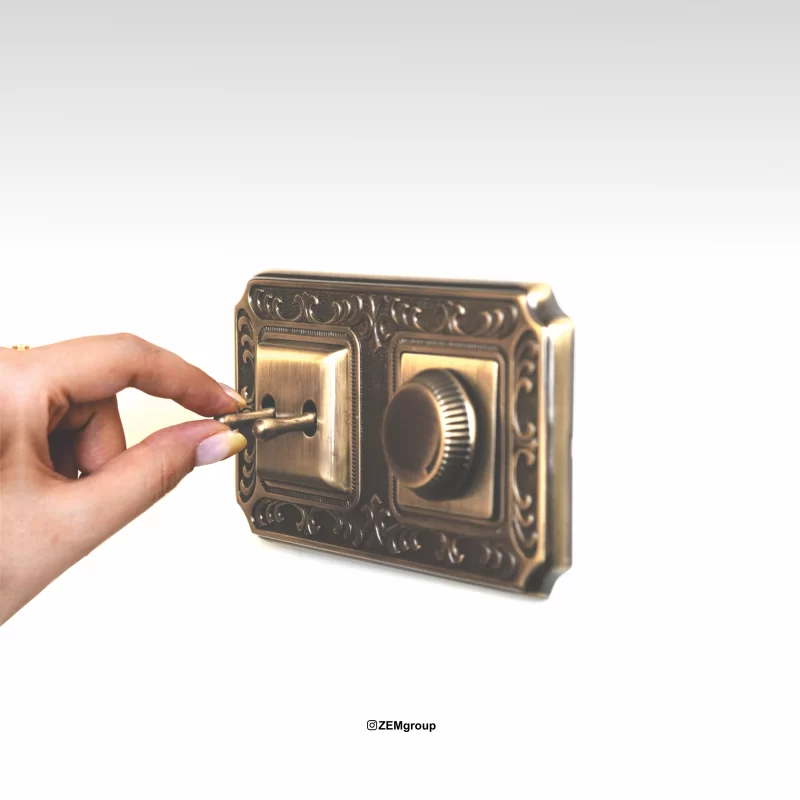
Classic designs revolve around symmetry, details, and authentic materials. Wood, natural stone, and warm metals such as brass and bronze play a significant role. In such spaces, selecting switches and sockets that themselves become part of the décor is essential.
ZEMGROUP Suggestion:
Classic lever switches and sockets with metallic bodies and brass finishes are designed for these settings. Polished metal levers, robust frames, and designs inspired by old European switches showcase a combination of authenticity and luxury.
These models perfectly complement classical, neoclassical, and luxurious French-style villas.
Professional Tip:
If your décor features golden or cream tones, opt for ZEMGROUP classic lever switches with a polished brass frame; for earthy or matte tones, a patinated brass finish will be a better fit.
2. Modern Style: Simplicity, Clean Lines, and Minimalism
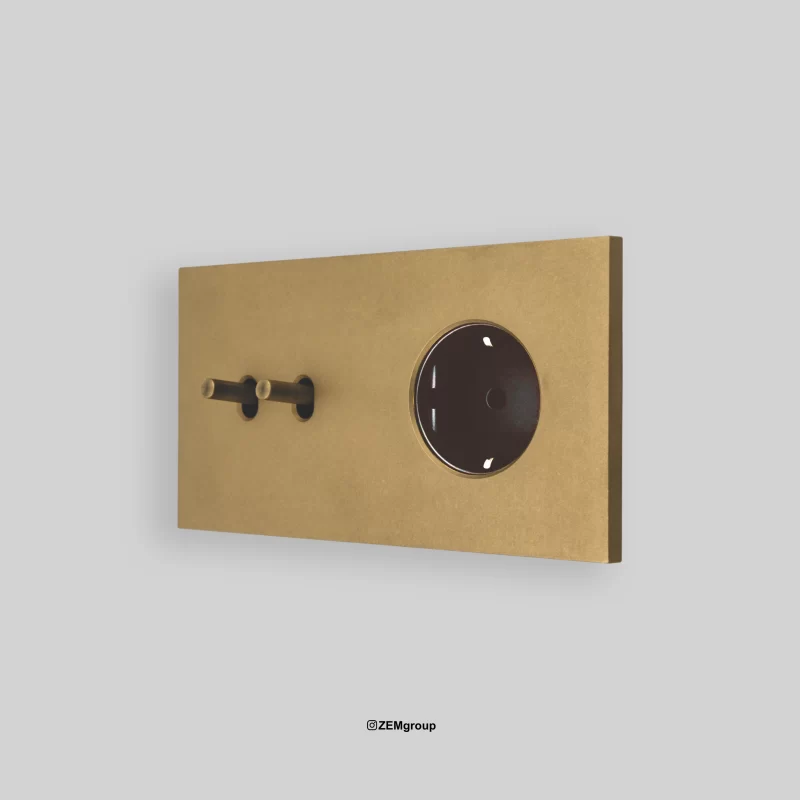
Modern design focuses on eliminating unnecessary ornamentation and emphasizing simple, functional forms. Straight lines, neutral colors, and materials such as glass, metal, and concrete characterize this style.
Switches and sockets in modern spaces should be minimal, flat, and match the wall color or environmental textures.
ZEMGROUP Suggestion:
The modern switches and sockets from ZEMGROUP’s Modern Collection, featuring a flat design and soft touch surface, are among the most popular choices for contemporary projects. These models not only harmonize visually with minimalistic designs but also meet European standards in terms of durability and quality.
For bright spaces with white or light gray walls, the MODERM LIGHT SWITCH model in matte black creates a striking and visually appealing contrast.
3. Rustic/Natural Style: Bringing Nature Indoors
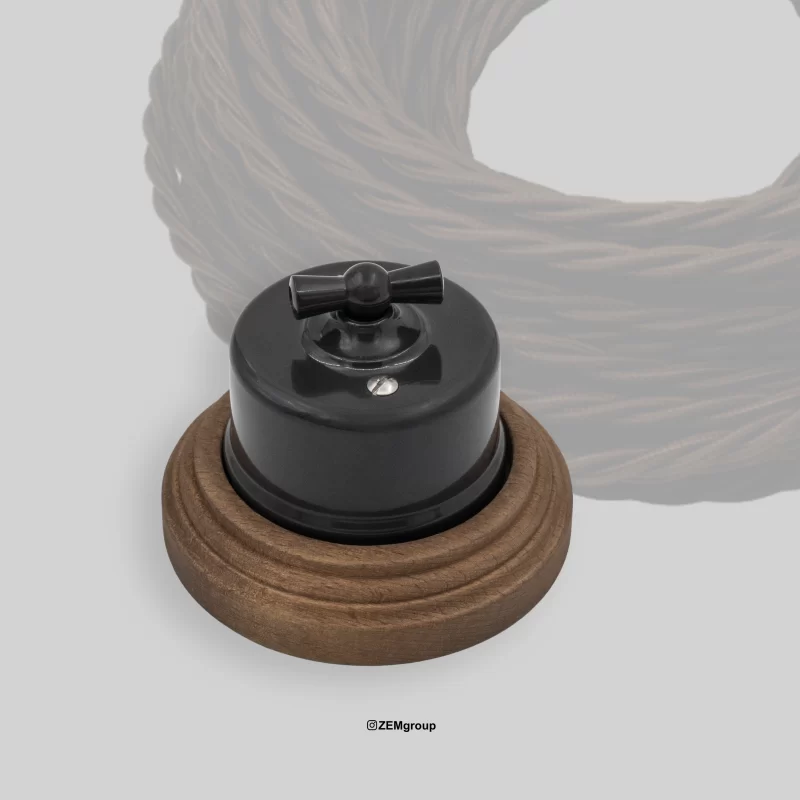
Rustic or natural design aims to bring a sense of nature indoors. Materials such as wood, stone, and natural textures create warmth and tranquility.
ZEMGROUP Suggestion:
Wooden lever switches are among the most distinctive options for such projects. Combining natural wood frames (walnut or oak) with metal levers provides a warm, natural, yet luxurious feel. This series is particularly popular in mountain villas, countryside homes, and cafés designed with an organic style.
Practical Tip:
Matching the wood color of switches with flooring or furniture creates a seamless transition between details and main elements, enhancing the natural appearance of the space.
4. Modern Neoclassical Style: Fusion of Tradition and Technology
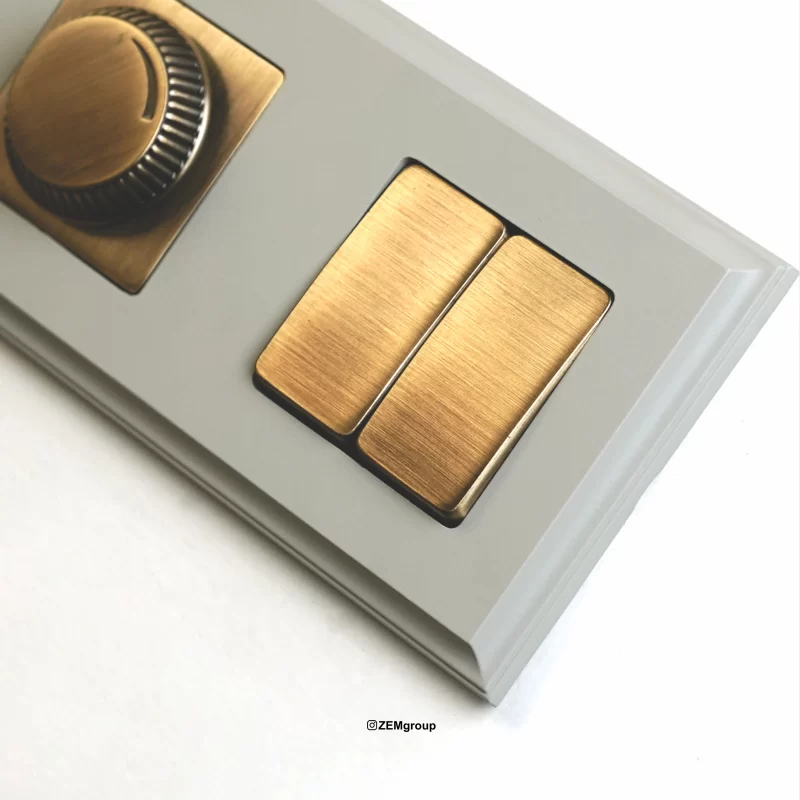
Modern neoclassical design blends the grandeur of classic forms with modern color schemes and lines. In these spaces, designers often seek products that convey both luxury and a contemporary feel.
ZEMGROUP Suggestion:
Round lever switches with polished metal frames and smooth, curved designs are ideal for such spaces.
These models integrate beautifully with indirect lighting and walls with neoclassical moldings, adding a special touch to the room’s details.
5. Industrial and Contemporary Style: Raw, Modern, and Unique
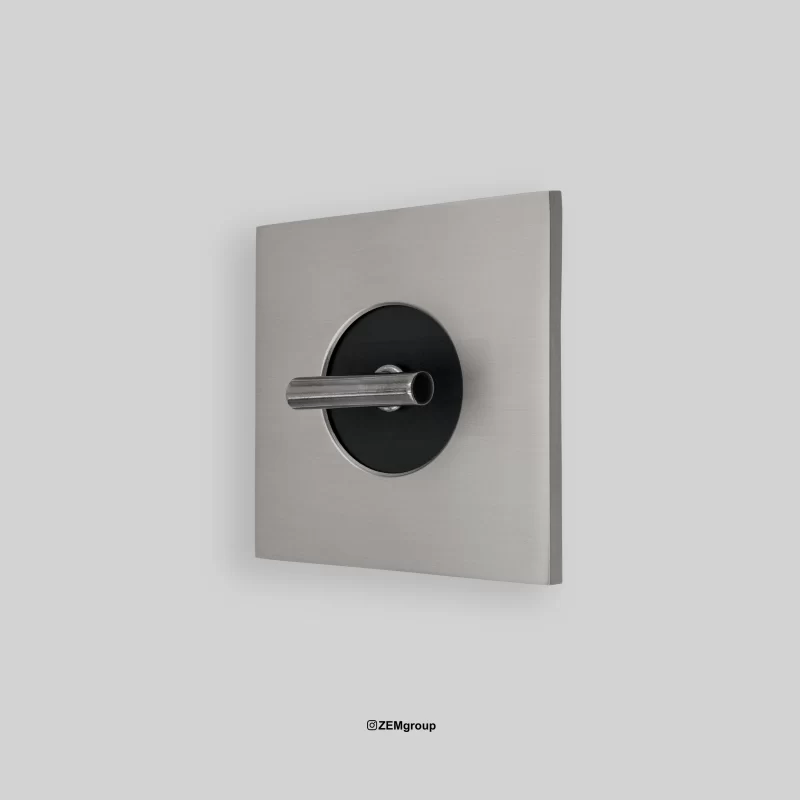
Industrial spaces often feature materials like concrete, iron, and unfinished surfaces. This style suits modern projects with a creative approach.
ZEMGROUP Suggestion:
Surface-mounted switches inspired by vintage industrial switches are unique options for industrial spaces or specialty cafés. Their rugged appearance ensures both high functionality and harmony with the spirit of the space.
Before selecting a specific model or brand, it is crucial to understand the project’s “visual language.” The design style directs the choice:
-
For authenticity: choose classic lever switches.
-
For modern and minimalistic designs: flat or glass switches are best.
-
To bring nature indoors: wooden and ceramic switches from ZEMGROUP are precisely made for this purpose.
Step Two: Choosing the Right Material and Color
Once the design style is clear, the next step is selecting the appropriate material and color for switches and sockets. These two factors directly affect visual appeal, durability, and the overall feel of a space.
In luxury projects, professional architects know that the texture and color of switches must complement other materials like walls, flooring, and lighting.
Switches are not merely electrical tools; they are decorative elements that can distinguish ordinary design from luxurious design.
1. Brass Switches and Sockets: Heritage and Durability
Metal switches have long been symbols of strength and authenticity. Brass is particularly suited for classic, neoclassical, and industrial designs.
Features:
-
High durability against impact and discoloration
-
Luxurious and substantial feel
-
Harmonizes with warm lighting and golden or bronze décor
ZEMGROUP Suggestion:
Classic brass lever switches are among the most popular luxury products for designers. Made from pure brass alloy, these switches come in polished gold, patinated, and matte silver finishes. Perfect for classic and luxurious settings such as hotel lobbies, grand villas, or European-style buildings.
When paired with materials like marble, mirrors, or warm lighting, ZEMGROUP brass switches create a cohesive and elegant atmosphere.
2. Wooden Switches and Sockets: Warmth and Natural Feel
Wood has always conveyed emotion and warmth in interior design. Wooden switches are ideal for spaces with natural textures or earthy color schemes.
Features:
-
Organic, natural feel
-
Harmonizes with wooden flooring and furniture
-
Customizable in wood type and color
ZEMGROUP Suggestion:
Wooden lever switches combine natural wood with metal elements, creating handcrafted and authentic designs. Each piece is meticulously polished, and no two wood patterns are identical, ensuring uniqueness. Walnut, oak, and maple are used for frames, which can be customized in light or dark shades. In bright spaces with white walls, a warm-toned wooden switch (e.g., walnut) adds depth and life.
3. Ceramic Switches and Sockets: Art, Elegance, and Longevity
Ceramic offers a delicate yet durable texture. Ceramic switches are typically used in classic, artistic, or European-inspired spaces.
Features:
-
Smooth and easy-to-clean surface
-
Unique, eye-catching appearance
-
Can feature patterns or textures on the surface
ZEMGROUP Suggestion:
Ceramic lever switches combine artistic beauty with technical durability. A white ceramic frame with a gold or silver lever provides an authentic touch. Especially suited for Italian-style or traditional European homes, these switches, when combined with bronze chandeliers or warm lighting, create a fully luxurious and cohesive environment.
4. Glass Switches and Sockets: Modern Elegance and Light Reflection
Glass is a popular material in modern interiors due to its light-reflecting properties and transparent appearance.
Features:
-
Minimalist and transparent design
-
Glossy, modern surface
-
Harmonizes with natural light and light-colored walls
| Space Type | Recommended Color | ZEMGROUP Suggested Model |
|---|---|---|
| Classic with warm lighting | Gold, bronze, ivory | Classic Brass Lever |
| Dark or modern black spaces | Matte black, graphite | Modern Switch |
| Natural or wooden spaces | Warm natural tones (walnut, oak) | Wooden Lever |
| Artistic or vintage | White or cream ceramic | Ceramic Lever |
The correct choice of material and color gives the space personality. Switches that match the environment visually become part of the design rather than mere functional tools. This is the philosophy ZEMGROUP follows: combining beauty, durability, and perfect harmony with modern luxury living.
Step Three: Technical Details and Switch Functionality
After selecting the design style and materials, the next step in purchasing luxury switches is reviewing technical details and functionality. Many interior designers focus on appearance, but technical performance and switch type are critical for user experience and system compatibility.
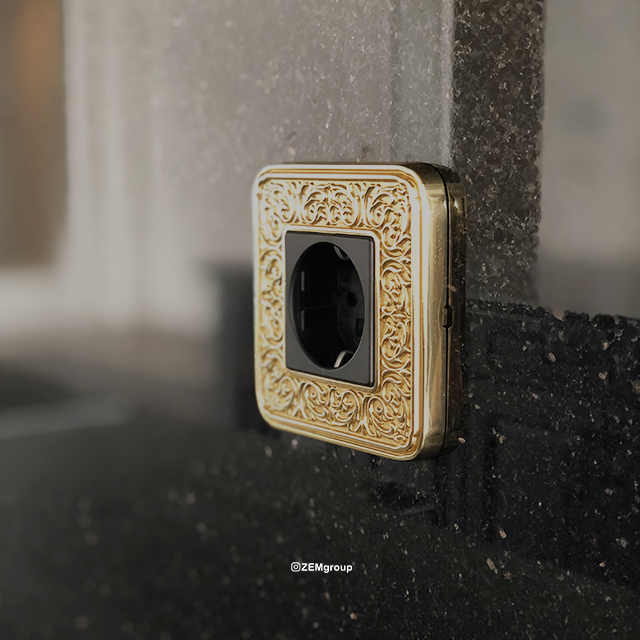
Below is a guide to common switch types and their ZEMGROUP models, which combine luxurious design with technical excellence.
1. One-Way Switch
Definition:
Controls a single electrical circuit; the most common type of switch in homes.
Applications:
-
Turning a single light or socket on/off from one point
-
Suitable for rooms, bathrooms, and small spaces
Technical Features:
-
Simple and reliable
-
Internal mechanism can be lever or push-button
ZEMGROUP Suggested Model:
-
Single-lever switch with smooth mechanism and high durability
-
Metal or glass surface
-
Minimalist design for modern spaces
-
Quiet, smooth lever movement
2. Double One-Way Switch
Definition:
Controls two electrical circuits simultaneously, often used for double lights or sockets.
Applications:
-
Controlling two lights or socket groups
-
Suitable for living rooms, kitchens, and large spaces
Technical Features:
-
Higher durability due to two circuits
-
Can integrate with smart systems
ZEMGROUP Suggested Model:
-
Double-lever switch with smooth, precise mechanism
-
Metal or glass lever design
-
Suitable for bright, luxurious spaces
3. Intermediate Switch
Definition:
Allows controlling a light or circuit from two different points.
Applications:
-
Staircases, long halls, or spaces requiring multi-point control
Technical Features:
-
More complex than one-way or double switches
-
Requires precise wiring
ZEMGROUP Suggested Model:
-
Lever switch with smooth movement
-
High durability, compatible with modern systems
-
Works seamlessly with single and double-lever switches
4. Cross Switch
Definition:
Used to control a light from three or more points, usually placed between two intermediate switches.
Applications:
-
Long corridors or large staircases
-
Spaces requiring multi-point control
Technical Features:
-
More complex mechanism
-
Must coordinate with intermediate switches
ZEMGROUP Suggested Model:
-
Cross lever switch, easy to install alongside intermediate and double switches
-
Luxurious, consistent lever design
-
Durable and robust surface
5. TOGGLE Switches
Lever switches are popular for their ease of use and aesthetic appeal.
Features:
-
Smooth lever movement
-
Long lifespan
-
Compatible with single, double, intermediate, and cross switches
ZEMGROUP Suggested Models:
-
Classic Lever: for classic and neoclassical styles
-
Round Lever: for modern and modern-neoclassical styles
-
Wooden Lever: for natural and rustic spaces
-
Ceramic Lever: for artistic and European-classical spaces
Professional Tips for Designers:
-
Always check the building’s electrical plan before purchasing to determine the appropriate switch type.
-
For high-traffic areas, choose switches with smooth, durable mechanisms.
-
Harmonizing different switch types (single, double, intermediate, cross) in design and material enhances the space’s visual appeal.
At this stage, choosing the switch type and technical performance ensures user experience, comfort, and lighting system harmony. ZEMGROUP’s wide range of single, double, intermediate, cross, and lever switches allows designers to make the best choices without technical or aesthetic concerns.
Step Four: Integration with Lighting Systems and Smart Technology
Modern interior design extends beyond aesthetics; compatibility with smart lighting systems is crucial. Luxury switches must be beautiful, high-quality, and capable of connecting to smart systems, sensors, and remote-controlled lights.
For architects and interior designers, this stage is essential: choosing a luxury switch without considering smart system compatibility may cause technical limitations or require project revisions.
Importance of Smart System Integration
-
Multi-point control: In luxurious homes, controlling a light from multiple points or adjusting brightness is essential.
-
Lighting integration: Smart switches must work with indirect lighting, LEDs, and decorative lights for a cohesive visual experience.
-
Ease of use and comfort: Touch and smart switches provide a modern, user-friendly experience, easily integrated with mobile apps or home automation.
Practical Tips for Designers
-
Lighting coordination: Determine light intensity and color before installation for optimal switch performance.
-
Design harmony: Even smart switches should match the space style. For example, ZEMGROUP’s Glass Touch in matte black or white works best in modern, minimalistic designs.
-
Customization: Many ZEMGROUP switches allow color, frame, or lever modifications for project-specific coordination.
-
Future-proofing: Smart switches should support adding sensors, voice control, and other automation systems.
In luxury modern projects, integrating switches with smart lighting

