


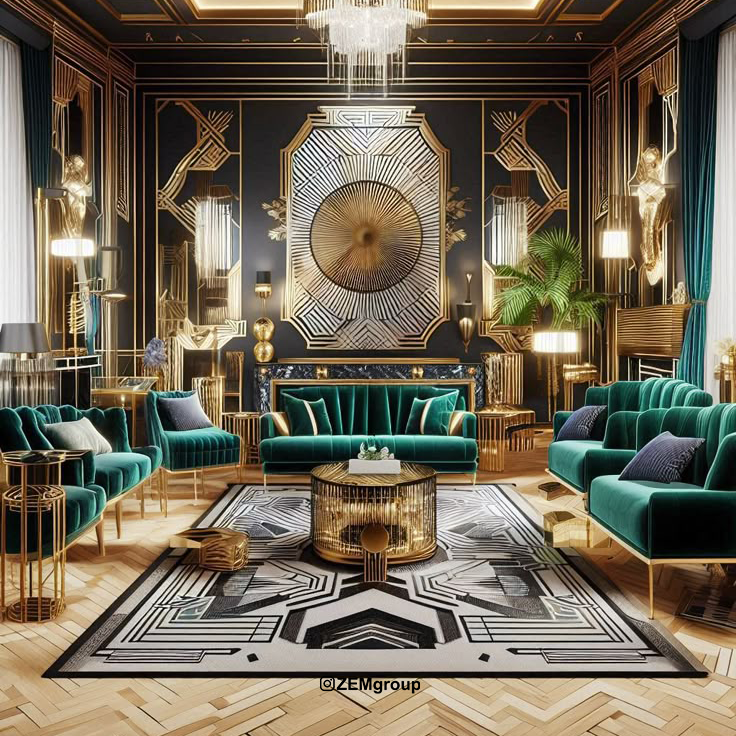
Hollywood Regency is one of the most distinctive and luxurious interior design styles, inspired by the Golden Age of Hollywood and the lavish mansions of the 1930s and 1940s. This style combines luxury, drama, and bold colors to create visually stunning spaces filled with incredible details.
One of the most important elements of this style is precise and purposeful lighting. In Hollywood Regency, light is not just used for illumination; it serves as a primary design tool to create depth, highlight details, reflect textures, and even evoke a cinematic atmosphere. This style demonstrates that lighting can transform the spirit of a space, turning a simple environment into a luxurious and glamorous setting.
Lighting in this style often combines ceiling lights, crystal chandeliers, recessed spotlights, and luxurious wall lamps to maximize a sense of drama and opulence. Small details, such as switches and outlets with glossy, gold, or mirrored finishes, play a critical role in maintaining visual harmony and elegance. Even the choice of light type and color in Hollywood Regency is made carefully to both create diverse light layers and harmonize with the colors and textures of furniture and walls.
This article provides a comprehensive exploration of lighting in Hollywood Regency style, including types of ceiling and wall lights, spotlight fixtures, appropriate switches and outlets, and design tips to create a luxurious, dramatic space. The goal is to give every reader a deep understanding of this style, allowing them to design their home or project professionally and according to its standards.
History and Philosophy of Hollywood Regency
Hollywood Regency emerged during the Golden Age of Hollywood, a time when films, stars, and celebrities’ homes set the standards of luxury and aesthetic in everyday life. The style developed between the 1930s and 1950s, aiming to combine visual beauty with modern comfort. In Hollywood Regency, every detail—from furniture to lighting, even switches and outlets—should express luxury and drama.
Sources of Inspiration
Hollywood Regency draws inspiration from several sources:
-
Classic European Décor: Use of classical patterns, curved lines, and gold and mirrored accents.
-
1930s–1940s Modernism: Emphasis on clean and simple forms alongside bold color choices.
-
Cinematic Scenes: Space design in which every angle, light, and color creates dramatic, movie-like effects.
Key Features of the Style
-
Luxurious and bold colors: Gold, glossy black, emerald green, deep blue, and pastel pink paired with white and cream for contrast.
-
Varied, luxurious textures: Velvet, silk, leather, and textured fabrics reflect light differently.
-
Glossy and mirrored details: Mirrors, polished metals, and shiny surfaces enhance reflection and make spaces appear brighter and more vibrant.
-
Dramatic theme: Strong contrasts between light and shadow create a cinematic and opulent atmosphere.
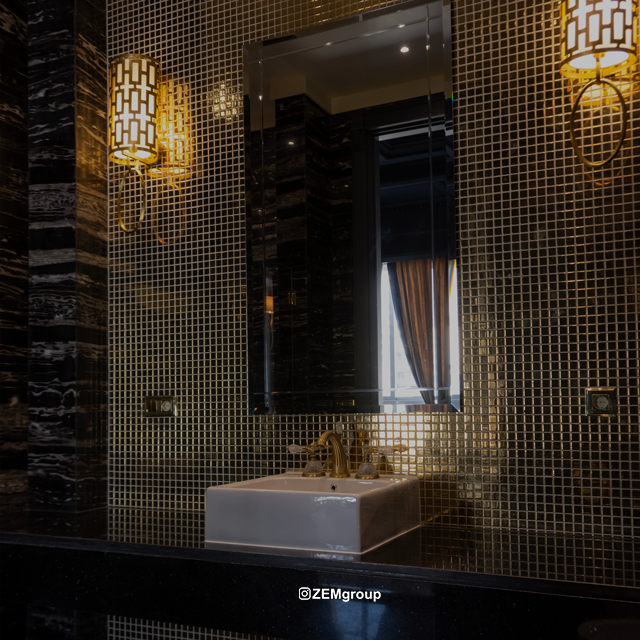
Importance of Lighting in Hollywood Regency Philosophy
In Hollywood Regency, lighting is not merely for visibility; it is a tool for expressing character and creating a luxurious visual experience. This style allows lighting to:
-
Highlight luxurious textures of furniture and curtains.
-
Increase spatial depth and give a three-dimensional effect.
-
Define different zones using a combination of direct and indirect lighting.
-
Evoke a cinematic, theatrical atmosphere—a defining feature of this style.
Connection with Electrical Details
Hollywood Regency demonstrates that even small details, such as switches, outlets, or spotlight frames, are essential for maintaining harmony and luxury. Choosing the right elements not only matters aesthetically but also enhances lighting performance and visual impact. For instance, gold or glossy switches can reflect ambient light, and properly designed spotlight frames can direct light precisely where needed.
Principles of Lighting in Hollywood Regency
Lighting in Hollywood Regency is a crucial design element that distinguishes ordinary spaces from luxurious, dramatic ones. It uses light as a primary tool to showcase opulence and create a cinematic ambiance. Key principles include:
1. Direct and Indirect Lighting
-
Direct light: Highlights specific elements like sculptures, art frames, chandeliers, or furniture, drawing attention and creating dramatic shadows.
-
Indirect light: Delivered through wall lamps, ceiling spotlights, or concealed lighting behind mirrors and frames. Indirect lighting creates intimacy, warmth, and visual depth. Combining direct and indirect light is common to achieve layered and engaging effects.
2. Layered Lighting
Layered lighting (Layered Lighting) is fundamental in Hollywood Regency. It involves combining multiple light sources with different purposes:
-
Main ceiling light: Often crystal chandeliers or glossy ceiling fixtures provide general illumination.
-
Accent lighting: Spotlights or wall lamps highlight artwork, luxurious furniture, or architectural details.
-
Ambient lighting: Concealed lights, linear lamps, and backlit mirrors create a relaxed and cinematic atmosphere.
This combination naturally conveys multiple sensations, enhancing the sense of luxury and drama.
3. Use of Light Color and Temperature
Color and temperature are essential tools to enhance luxury and harmonize with room colors and textures:
-
Warm light (2700K–3000K): Creates intimacy, luxury, and relaxation—ideal for living rooms and bedrooms.
-
Soft natural white (3500K–4000K): Suitable for areas needing brighter lighting, such as study desks or hallways, highlighting architectural details.
-
Cool light (4500K+): Less common, but can accentuate specific colors or create visual contrast in large spaces.
4. Practical Lighting Tips
-
Focus light on accent points to preserve drama; avoid uniform, flat lighting.
-
Reflect light off glossy surfaces and mirrors to brighten and elevate luxury.
-
Combine ceiling, wall, and accent lights to create depth and a three-dimensional effect.
Types of Lighting Fixtures in Hollywood Regency
Lighting in Hollywood Regency is not limited to illumination; each fixture becomes a decorative element. Choosing suitable equipment, combining direct and indirect light correctly, and matching textures and colors are essential to creating a cinematic and luxurious space.
Chandeliers and Ceiling Fixtures
Role: Chandeliers serve as both light sources and symbols of luxury, offering:
-
Even ambient illumination.
-
Reflections from crystals and polished metals for a dramatic effect.
-
A central visual focus to enhance the sense of opulence.
Types:
-
Crystal chandeliers: Reflect light in multiple directions, enlivening living areas and main halls.
-
Brass or polished metal: Golden or silver tones add classical luxury and harmonize with bold wall and furniture colors.
-
Mirrored chandeliers: Reflect light from mirrors and glass, increasing depth and cinematic appeal.
downlights
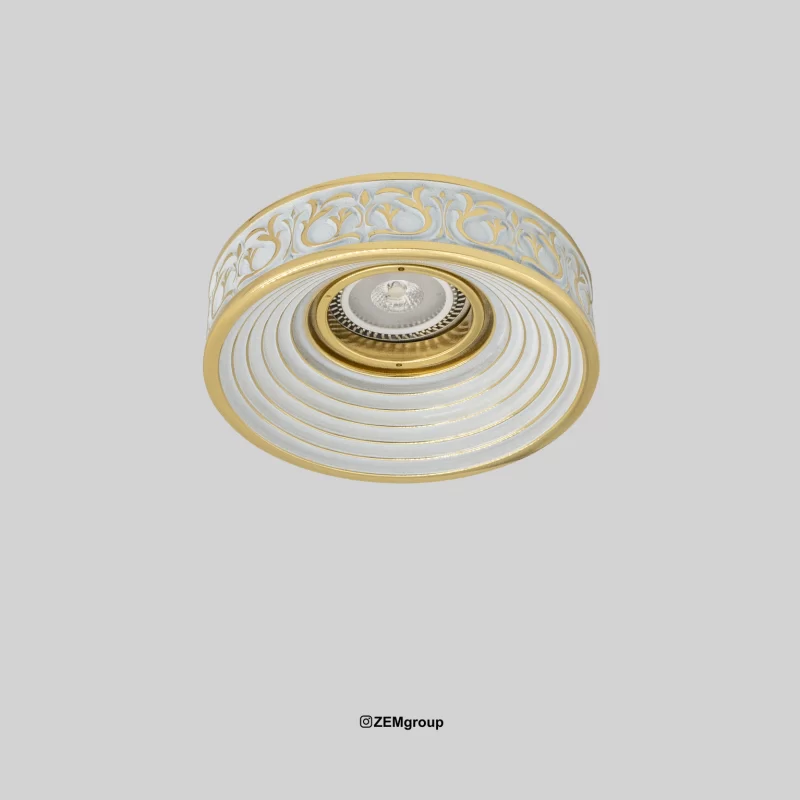
Importance: Spotlights are key for accent lighting and layered effects, focusing light precisely without affecting general illumination.
Frames:
-
Classic: Minimal design, suitable for recessed ceilings and accent points.
-
Modern glossy: Gold, silver, or chrome finishes maintain luxury and enhance reflection.
-
Decorative: Artistic forms combined with lighting create visual interest.
Applications:
-
Living rooms: Highlight furniture, artwork, and sculptures.
-
Hallways and entrances: Create welcoming accent lighting on floors and walls.
-
Bedrooms and studies: Focused lighting for reading or highlighting luxurious décor.
Wall and Surface-Mounted Lamps
Wall lamps: Serve as decorative and ambient light sources with features:
-
Glossy or mirrored bodies for light reflection.
-
Luxurious design with gold or crystal details.
-
Indirect light providing warmth and intimacy.
Surface-mounted lamps:
-
Easy installation and multifunctional.
-
Highlight ceilings, hallways, and walls.
-
Compatible with spotlights and concealed lighting for layered effects.
Combining Fixtures for Dramatic Impact:
-
Central chandelier for general illumination and visual focus.
-
Ceiling and accent spotlights for detail emphasis and artistic shadows.
-
Wall and surface-mounted lamps for ambient, warm background light.
This combination increases spatial depth and ensures textures and luxurious details are well highlighted.
light switches and socket in Hollywood Regency
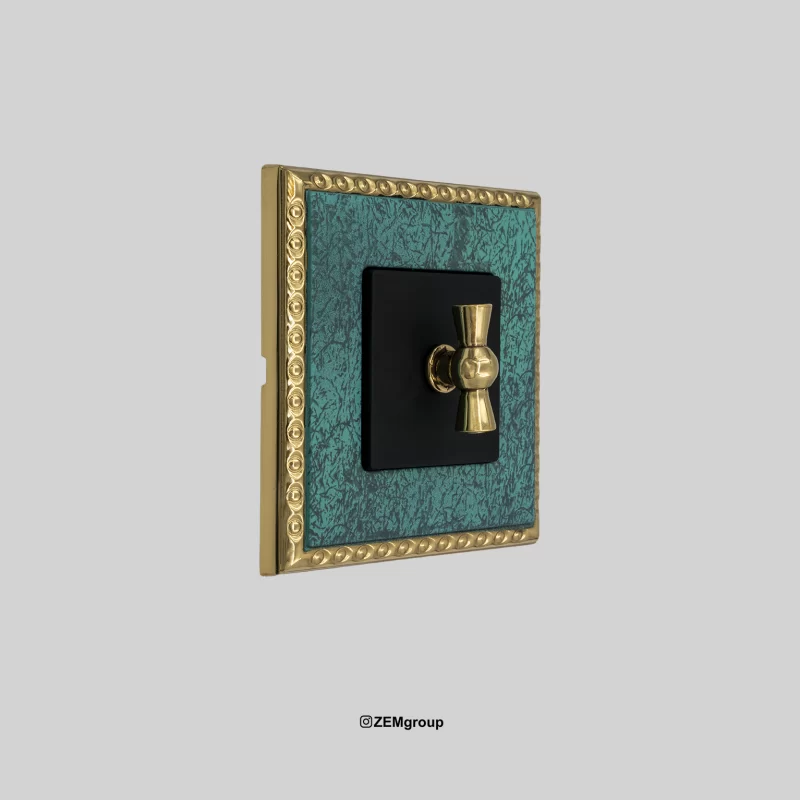
In Hollywood Regency, small details are as important as large elements. Switches and outlets are not only functional but integral to design. Incorrect choices can undermine luxury and drama, while proper selection harmonizes lighting, furniture, and textures.
Importance:
-
Visual harmony: Must match colors, materials, and furniture style.
-
Light reflection: Glossy or gold switches reflect chandelier and spotlight lighting.
-
Psychological impact: Luxurious switches convey completeness and complement cinematic lighting.
Types:
-
Toggle switches: Modern and simple, often with gold, chrome, or glossy frames; ideal for multi-point light control.
-
Rotary switches: Classic, luxurious, evokes a vintage cinematic feel; can adjust light intensity.
-
Smart switches: Remote or app-controlled; allow layered lighting management and coordination with other fixtures.
Color and Material Selection:
-
Gold/Brass: Classic luxury; complements chandeliers and spotlight frames.
-
Silver/Chrome: Reflective, modern; works with glossy spotlights.
-
Black (glossy/matte): Contrasts with light walls and furniture; enhances drama.
-
Mirrored/Glass: Enhances light reflection and cinematic feel.
Practical Notes:
-
Placement for accessibility and independent control.
-
Coordinate with lighting for optimal effect.
-
Use high-quality, standard-compliant switches for safety.
-
Customizable options are ideal for Hollywood Regency aesthetics.
Combining Lighting and Colors
Light, color, and texture coordination is essential. Proper lighting highlights colors and creates a luxurious, dramatic impression. Wrong lighting or color choices can reduce cinematic impact.
Dominant Colors:
-
Gold and brass: Luxurious, reflected by chandeliers and spotlights.
-
Black (glossy/matte): Adds contrast and drama.
-
Bold hues (emerald green, navy blue, deep red): Pop under layered lighting.
-
Cream and white: Balance colors, increase brightness, enhance light reflection.
Lighting Effects on Color:
-
Direct light: Highlights bold colors.
-
Indirect light: Soft shadows show colors naturally and warmly.
-
Accent lighting: Focus on specific pieces, enhancing cinematic effect.
Texture Interaction:
-
Velvet, silk: Direct light creates shine.
-
Leather, polished surfaces: Reflect light, adding depth.
-
Mirrors and polished metals: Reflect in multiple directions, enhancing three-dimensionality.
Practical Examples:
-
Living room: Crystal chandelier, emerald furniture, gold curtains, spotlights, and wall lamps create a luxurious, cinematic space.
-
Bedroom: Concealed ceiling lights, gold wall lamps, velvet bedding, and cream walls provide intimacy and luxury.
-
Hallway/Entrance: Spotlights and surface-mounted lamps highlight floors and walls; gold and black accent colors create dramatic impact.
Common Lighting Mistakes and Solutions
-
Excessive direct light: Creates harsh shadows.
-
Combine direct and indirect lighting; use adjustable spotlights.
-
-
Unbalanced lighting/no layers: Leads to flat visuals.
-
Use layered lighting: ceiling, accent, ambient.
-
-
Unsuitable switches/outlets: Diminishes luxury.
-
Use gold, chrome, glossy, mirrored, or smart options.
-
-
Improper light color: Incompatibility reduces luxury feel.
-
Match light temperature with dominant color; use warm light for gold/velvet.
-
-
Ignoring reflective surfaces: Without mirrors/metals, light appears flat.
-
Incorporate mirrors, polished metals, and crystal surfaces.
-
-
Neglecting accent points: Fails to highlight furniture/art.
-
Use spotlights and ambient light to create depth and cinematic effect.
-
Practical Tips:
-
Plan lighting layout carefully.
-
Mix textures and reflective surfaces.
-
Coordinate switches and spotlight frames with décor.
-
Use concealed light and reflective surfaces in small spaces.
-
Employ color and light to emphasize luxurious details.
Installation and Electrical Guidelines
Equipment Selection:
-
Chandeliers: Proper size, crystal/brass/metal, warm adjustable bulbs.
-
Spotlights: Adjustable angles, reflective frames, strategically located.
-
Switches: Matching décor, toggle/rotary/smart, high quality.
Professional Installation:
-
Precise electrical layout.
-
Correct chandelier height (living room: 70–90 cm above table).
-
Adequate spacing for spotlights.
-
Adjust light intensity if using smart switches.
Safety:
-
Use standard-certified equipment.
-
Install by professionals.
-
Check voltage compatibility.
-
Maintain safe distance from heat and moisture sources.
Additional Tips:
-
Glossy, reflective fixtures enhance luxury.
-
Proper shadow and accent positioning.
-
Combine direct and indirect lighting for cinematic, multi-dimensional spaces.
Conclusion
Hollywood Regency epitomizes luxury, drama, and cinematic interior design. Attention to lighting, switches, and fixtures is as important as furniture and color. By following principles and best practices:
-
Layered lighting for depth and cinematic effect.
-
Harmonize lighting and colors to reinforce luxury.
-
Use crystal/brass chandeliers, reflective spotlights, wall and surface-mounted lamps.
-
Coordinate switches/outlets for both functionality and décor.
-
Follow safety and quality standards.
Proper planning, reflective surfaces, and careful fixture selection transform any space into a luxurious, dramatic, and cinematic environment.
FAQ
-
What is Hollywood Regency style?
-
Luxurious, dramatic, inspired by Golden Age Hollywood. Features layered lighting, bold colors, luxury furniture, and reflective details.
-
Why is lighting important?
-
Creates depth, emphasizes details, and evokes cinematic ambiance.
-
Suitable chandeliers and lamps?
-
Crystal/brass chandeliers, reflective or gold spotlights, wall/surface-mounted lamps for layered lighting.
-
Recommended switches/outlets?
-
Toggle, rotary, or smart, with gold, chrome, glossy, or mirrored frames.
-
Direct or indirect lighting?
-
Both: direct highlights key elements, indirect creates depth and warmth.
-
Can smart switches be used?
-
Yes, for controlling intensity and temperature, enhancing layered lighting.
-
Common mistakes:
-
Too much direct light, lack of layering, unsuitable switches, poor color-light coordination.
-
Safe electrical installation:
-
Certified equipment, professional installation, maintain distance from heat/moisture, check voltage.
-
Luxurifying small spaces:
-
Concealed and spotlighting, reflective surfaces, coordinated switches, bright/warm colors

