
Philosophy of Using Gold in Palace Interior Design
Since the emergence of major human civilizations, gold has always been more than just a precious metal. In the eyes of ancient humans, gold symbolized light, immortality, power, and a connection to divinity. Its radiant and unchanging color gave it a special place from the very beginning in the architecture and decorations of palaces, temples, and noble residences.
Historical Roots of Gold Use in Royal Spaces
In ancient Egypt, gold was regarded as a “celestial” metal. Pharaohs adorned the walls of their palaces with gold leaf and even crafted furniture and door handles from pure gold. This practice was not merely to display wealth but also to manifest the divine presence in the lives of kings.
In ancient Greece and Rome, the use of gold in palace interiors represented the connection between art and political power. Gilded columns, bronze mirrors with gold plating, and even small decorative boxes all carried a common message: the grandeur and eternity of the ruler’s power.
Gold as the Language of Royal Luxury and Splendor
Throughout European history, kings and aristocratic families considered gold as the language of opulence and authority. The more gold used in a palace, the higher the perceived political status and prestige of the monarch. In palaces such as Versailles in France or Buckingham Palace in England, gold was incorporated into walls, ceilings, chandeliers, furniture, and even smaller items like switches and sockets, serving as a statement of power and beauty.
Royal designers believed that the radiance of gold reflected heavenly light—a light that made palace spaces lively, inspiring, and majestic. Therefore, in Baroque and Rococo architecture, gold was not merely a decorative color but a “living element” in interior design.
Gold in Eastern and Islamic Civilizations
In the East, gold symbolized not only grandeur but also sanctity and divine wisdom. In Islamic architecture, gold was often paired with turquoise and sky-blue colors to convey the concept of divine light and cosmic balance. Palaces such as Alhambra in Spain or Topkapi Palace in Turkey are shining examples of this style; here, gold was used not just to showcase wealth but to express artistic and spiritual values.
In fact, in the Islamic world, decorative gold symbolized the “light of knowledge” and “perfection of beauty,” whereas in Europe, it was a symbol of “earthly power and royal authority.”
From Symbol to Function: Gold in the Age of Technology
In the modern world, gold continues to hold a prominent place, but with a new approach. It is no longer confined to frames and chandeliers but also appears in functional details such as switches, sockets, handles, and even smart socket frames.
This new approach demonstrates that luxury can be combined with technology; as seen in modern palaces like the Emirates Palace in Abu Dhabi. If in the past gold was a language to display power, today it is a language to express taste, authenticity, and refinement in interior design.
Gold in Details: From Chandeliers to Switches and Sockets
In palace interiors, gold was not only applied to grand and visible elements like chandeliers and mirror frames but also to smaller details. These minor details—from handles, switches, and sockets to furniture edges and wall decorations—play a critical role in creating harmony and grandeur throughout the space.
1. Chandeliers and Gilded Ceilings
In most European and Asian palaces, crystal chandeliers, symbols of opulence and authority, were often adorned with pure gold or gold plating. These chandeliers not only reflected light but also enhanced the shine of other golden details, including switches and sockets. For example, the Hall of Mirrors in Versailles, with over 350 large mirrors, reflects light with golden chandeliers and gilded ceilings, completing the majestic brilliance of the space.
2. Frames and Mirrors
Mirror and picture frames in palaces were often made of carved wood covered with gold leaf. These frames hold artistic value and also create visual unity and balance among decorative elements. In many palaces, switches and sockets were designed in the same style and color, so even the smallest details were part of the visual language of the space.
3. Handles, Switches, and Sockets
Even the tiniest elements such as switches and sockets were highly significant in palace design in terms of both material and artistry. In classical and Baroque palaces, golden switches and sockets were often made of brass or durable metals with gold plating to match the luxurious environment and ornamented furniture.
These switches and sockets frequently featured floral, geometric, or royal motifs, fully harmonized with the overall style of the space. These small details reflected the designers’ attention to the coherence of the entire interior.
4. Gold’s Role in Creating Luxury and Grandeur
Combining golden switches and sockets with crystal chandeliers, mirror frames, and gilded ceilings creates a cohesive, harmonious, and visually striking palace space. Even natural light reflecting off these golden details enhances the perception of magnificence and splendor.
Thus, gold in palaces was not merely a decorative material; it was a tool to convey messages of power, wealth, and artistic authenticity.
5. Combining Gold with Other Materials
In palace interior design, gold was often paired with marble, precious woods, crystal, and luxurious fabrics. This combination ensures that even the smallest details, such as switches and sockets, remain perfectly in harmony with the surrounding environment. For instance, in Dolmabahçe Palace in Turkey, golden switches and sockets complement crystal chandeliers and handwoven carpets to create an immersive luxurious and beautiful environment.
Notable Examples of Palaces with Gold Details
Palace of Versailles – France
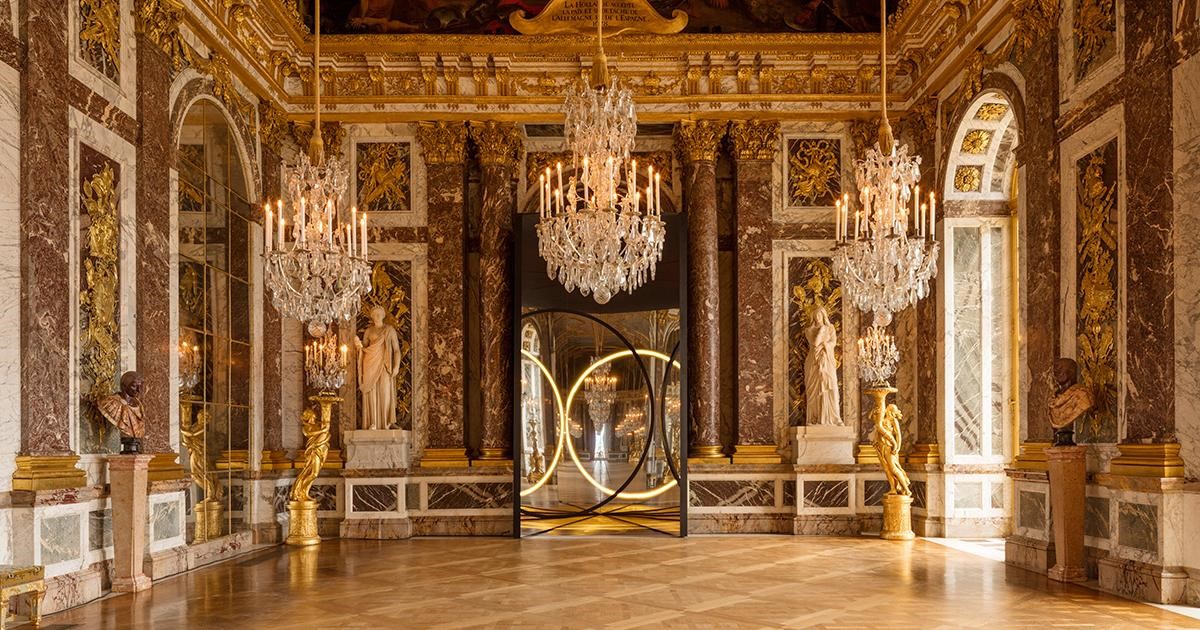
Located on the outskirts of Paris, Versailles is one of the most iconic symbols of French royal luxury and power. Built during the reign of Louis XIV, it served as the official residence of French monarchs until the 1789 Revolution. Its interior combines Baroque, Rococo, and Classical French art, and every detail, from ceilings to switches, was executed artistically and symbolically.
1. Gilding in the Hall of Mirrors
The Hall of Mirrors (Galerie des Glaces) contains over 350 large mirrors reflecting light throughout the hall, creating an unparalleled brilliance. In this hall, switches and handles are gilded, harmonized with carved ceilings and mirror frames. Each switch and socket features floral details and Baroque curves, creating a cohesive and majestic effect. The gilding enhances both beauty and the reflection of light, doubling the hall’s grandeur.
2. Chandeliers and Ceilings
Crystal chandeliers with real gold adorn the Hall of Mirrors and other significant rooms, creating a network of shimmering light and gold. Golden switches and sockets complement this ensemble, acting as small yet crucial design elements that reinforce the palace’s luxurious aura.
3. Private Rooms and Ceremonial Halls
Beyond the Hall of Mirrors, royal private rooms and formal halls also feature golden decorations. Gilded switches and sockets, along with handles, frames, and furniture, ensure visual cohesion and space magnificence. Even the smallest switch is coordinated with wall colors, furniture, and ceiling decorations.
4. Symbolism and Philosophy of Gold at Versailles
Extensive use of gold in switches, chandeliers, and frames was not merely for displaying wealth. These elements symbolized power, authority, and royal grandeur. During Louis XIV’s era, every detail, from ceilings to switches, had to reflect the king’s and France’s greatness. Golden switches communicated luxury, precision, and served as part of the palace’s visual language.
5. Inspiration for Modern Designs
Today, Versailles’ gilding inspires luxurious and classic interior designs worldwide. Using golden switches and sockets in contemporary homes and hotels recreates the palace’s opulent and harmonious aesthetic.
Kremlin Palace – Russia
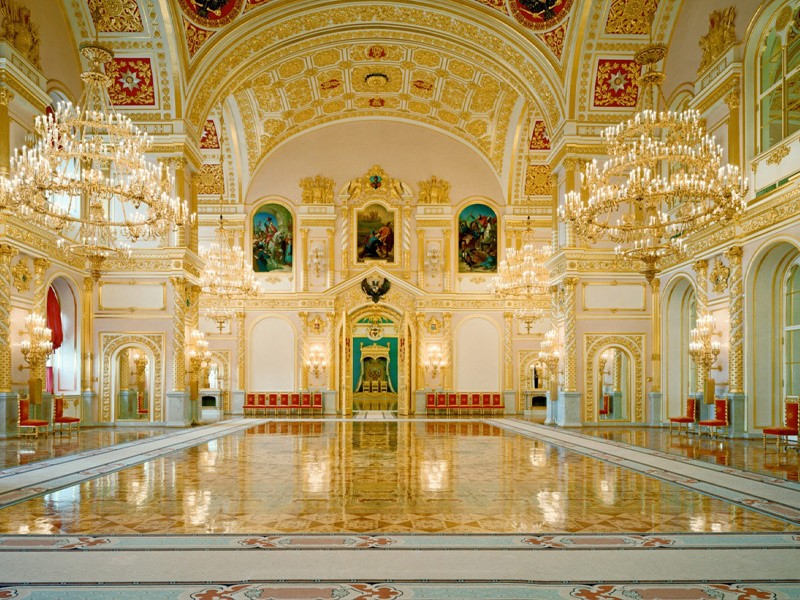
The Kremlin in Moscow is one of Russia’s largest and most historic palace complexes, symbolizing political and cultural power. It contains multiple palaces and churches, each uniquely decorated, with gold as a prominent interior element.
1. Extensive Use of Gold
Gold is seen not only on ceilings, frames, and chandeliers but also on internal switches, sockets, handles, and wall details. Golden switches often feature classic Russian motifs and religious designs inspired by Orthodoxy, creating harmony with other decorative elements.
2. Chandeliers and Gilded Ceilings
Large Kremlin chandeliers with bright crystals and intricate gilding distribute light uniformly. Golden switches, though small, enhance the reflection of light and the overall unity of the interior design.
3. Switches and Sockets in Formal Rooms
In Kremlin’s formal rooms, golden switches feature geometric and floral Russian patterns. These details, alongside luxurious furniture and handwoven carpets, create a complete and majestic visual ensemble.
4. Symbolic Role of Gold
Gold in the Kremlin transcends decoration, symbolizing the empire’s power and authority. Golden switches, chandeliers, and frames communicate grandeur, wealth, and political importance, reminding visitors of Russia’s historic magnificence.
5. Influence on Modern Design
Kremlin interior design inspires many luxury modern projects in Russia and elsewhere. Using golden switches in homes and hotels reflects the historical Russian style while integrating modern functionality.
Peterhof Palace – Russia

Known as the “Russian Versailles,” Peterhof showcases Russia’s imperial wealth. Constructed by Peter the Great, it features magnificent gardens, grand fountains, and luxurious interiors, with extensive gold use.
1. Golden Switches and Sockets
These elements are made from durable metals with gold plating and feature floral, Baroque curves, and royal decorations, harmonizing with architecture and furnishings.
2. Chandeliers and Gilded Ceilings
Grand crystal chandeliers and gilded ceilings create a radiant atmosphere. Golden switches reflect chandelier light, enhancing the room’s opulence.
3. Coordination with Other Decorations
Golden switches complement furniture, carpets, and frames, ensuring artistic cohesion. Every golden element contributes to the overall aesthetic effect.
4. Symbolism and Philosophy of Gold
At Peterhof, gold symbolizes imperial power and wealth. Golden switches, chandeliers, and frames convey royal authority and grandeur, allowing visitors to appreciate historical splendor.
5. Inspiration for Modern Design
Peterhof’s interior inspires contemporary luxurious homes and hotels, where golden switches can revive historical style while maintaining modern comfort and aesthetic coherence.
Dolmabahçe Palace – Turkey
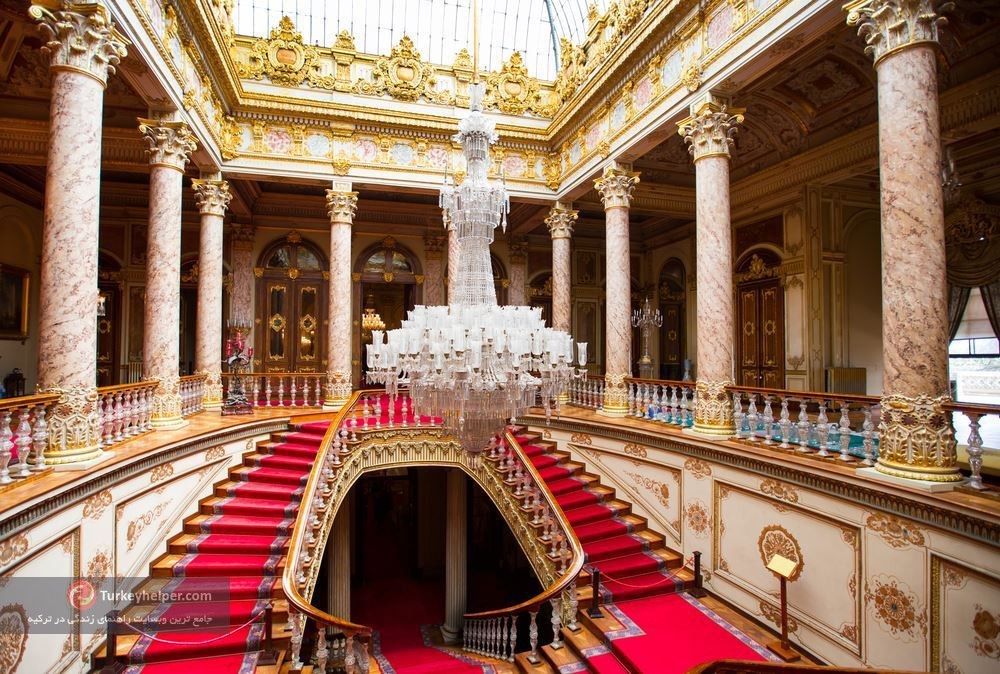
Located in Istanbul, Dolmabahçe Palace is one of the Ottoman Empire’s largest and most luxurious palaces. Built in the 19th century, it features European classical and Ottoman architecture, massive chandeliers, and golden decorations.
1. Golden Switches and Sockets
Essential design details, made of durable metals with gold plating, featuring floral, geometric, and Ottoman motifs. Installed in main rooms, ceremonial halls, and reception areas, they harmonize with luxurious furnishings and carpets.
2. Chandeliers and Gilded Ceilings
Dolmabahçe’s grand crystal chandeliers and gilded ceilings create a bright, majestic space. Golden switches reflect chandelier light, amplifying the visual impact of these details.
3. Coordination with Other Elements
Golden switches align with chandeliers, carpets, furniture, and frames to maintain artistic integrity throughout the palace.
4. Symbolic Role of Gold
Gold in Dolmabahçe symbolizes Ottoman imperial power, wealth, and grandeur. Golden switches, chandeliers, and ceiling decorations convey royal authority and historical magnificence.
5. Inspiration for Modern Design
Dolmabahçe’s interiors inspire luxury modern homes and hotels. Replicating golden switches and decorative elements brings a sense of historical opulence to contemporary spaces.
Schönbrunn Palace – Austria
Schönbrunn in Vienna, a symbol of European Baroque and Rococo architecture, served as the Habsburg royal family’s summer residence. Its luxurious interiors, expansive gardens, and crystal chandeliers are complemented by gold elements.
1. Golden Switches and Sockets
Delicate yet significant, made from durable metals with fine gold plating, featuring classic European Baroque patterns and curves, harmonized with furniture, frames, and chandeliers.
2. Chandeliers and Gilded Ceilings
Crystal chandeliers and golden details illuminate the interior, enhancing luxury and design cohesion.
3. Coordination with Other Elements
Golden switches align with furniture, artworks, and carpets, maintaining a unified artistic expression.
4. Symbolism of Gold
Gold in Schönbrunn signifies Habsburg power and prestige. Golden switches and decorations communicate royal luxury and historical grandeur.
5. Inspiration for Modern Design
Schönbrunn’s interiors inspire modern luxury homes and hotels. Golden switches and similar details revive Baroque and Rococo styles, bringing elegance and harmony to contemporary spaces.
Villa del Balbianello (Belvedere) – Italy
Known for Renaissance and Baroque Italian architecture, Villa del Balbianello is famous for golden decorations, painted ceilings, and luxurious furniture.
1. Golden Switches and Sockets
Small yet precise elements, made from plated metals with classic Italian designs, featuring floral and Baroque curves. Installed in reception rooms and formal spaces, fully harmonized with other interior elements.
2. Chandeliers and Gilded Ceilings
Grand chandeliers with gold decorations reflect light, enhancing the palace’s luxurious atmosphere.
3. Coordination with Other Decorations
Golden switches complement luxurious furniture, carpets, artworks, and frames, maintaining artistic unity.
4. Symbolism of Gold
In Belvedere, gold represents power, wealth, and Italian cultural significance. Golden switches, chandeliers, and ceiling decorations convey historical grandeur and artistic precision.
5. Inspiration for Modern Design
Villa del Balbianello inspires modern luxury homes and projects in Europe and beyond. Using golden switches and decorative details recreates historical opulence, artistic harmony, and a regal atmosphere in contemporary interiors.
Gold Switches and Sockets in Modern Homes – Introducing Two Luxury ZEM Group Models
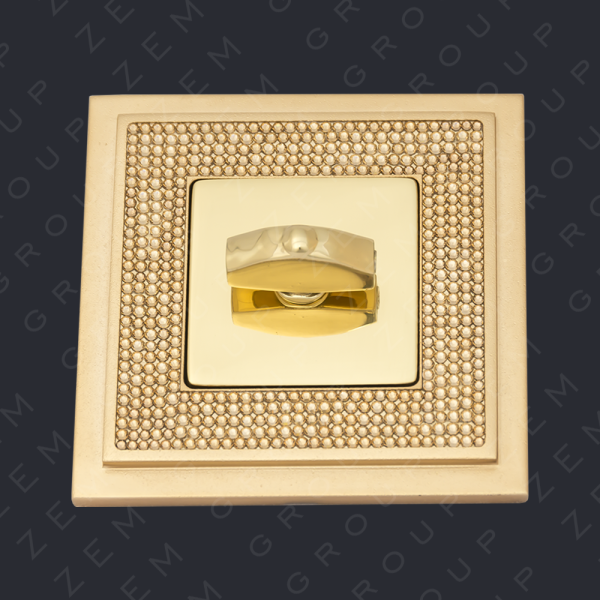
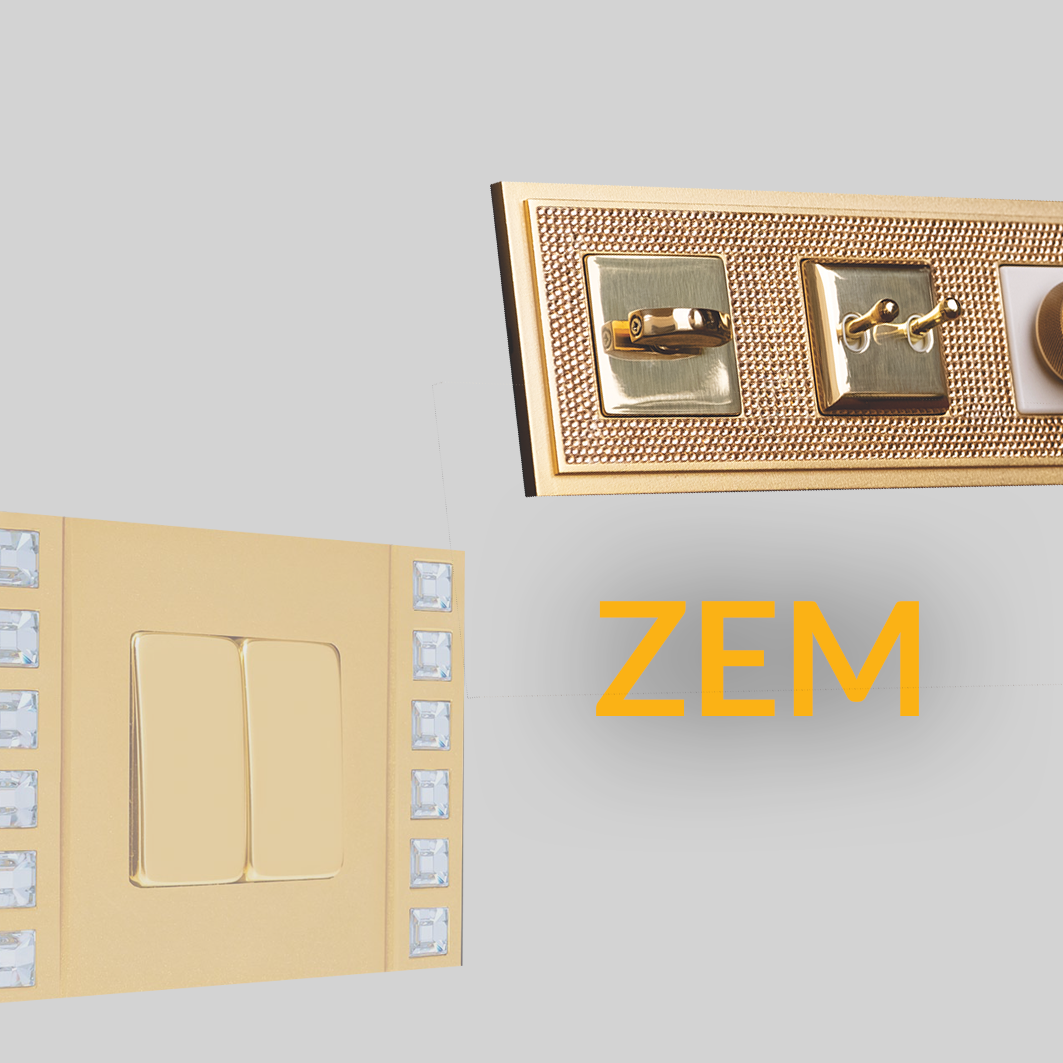
In modern luxury home design, using golden switches and sockets with artistic details adds opulence and visual harmony. ZEM Group offers two prominent models adorned with genuine Swarovski crystals, inspired by historic palace interiors.
1. Swarovski Art Switch and Socket
-
Design and Material: High-quality brass frame with glossy gold or patina finish, featuring artistic and classical details inspired by royal palaces.
-
Crystal Decoration: Adorned with genuine Swarovski crystals, carefully placed to provide a radiant, luxurious effect with every touch.
-
Application in Interiors: Recommended for classic, royal, or opulent spaces. Acts not only as a functional device but also as a key decorative element harmonized with golden chandeliers, frames, and furniture.
-
Highlights: The combination of glossy gold and Swarovski crystals reflects light and creates a regal visual effect reminiscent of historic palaces.
2. Sand and Velvet Switch and Socket
-
Design and Material: Brass frame with glossy gold or patina, blending modern simplicity with luxury. Sleek, minimal lines give a contemporary look.
-
Crystal Decoration: Genuine Swarovski crystals serve as luxurious accents, reflecting light and enhancing the space’s grandeur.
-
Application in Interiors: Suitable for modern, minimalist, or spaces combining simplicity and luxury. Can serve as a focal point without overwhelming the design.
-
Highlights: Combines glossy gold and Swarovski crystals to convey luxury, refinement, and artistic harmony, offering a palace-inspired experience in modern homes.
Using these ZEM Group golden switches and sockets goes beyond functionality:
-
Adds a royal and luxurious appearance,
-
Ensures harmony with furniture, chandeliers, and other decorative elements,
-
Draws inspiration from historic palace interiors,
-
Serves as a prominent artistic element while remaining functional.
Golden switches in historical palaces and modern homes are more than minor design details; they symbolize luxury, grandeur, and artistic precision. From European classic palaces like Versailles, Schönbrunn, and Belvedere to modern Middle Eastern palaces like the Emirates Palace, golden switches with Swarovski crystal accents highlight the importance of small details in creating cohesive, luxurious spaces.
In contemporary homes, revisiting these historical details through luxury products like ZEM Group’s golden switches allows for a regal, harmonious experience. Even in the smallest spaces, these pieces convey magnificence, coherence, and value, acting as visual focal points.
Ultimately, luxury golden switches combine functionality and decorative artistry, making everyday use convenient while inspiring modern and luxurious interior design.
FAQ
1. How do golden switches and sockets affect interior design?
Golden switches and sockets reflect light, creating a luxurious, radiant effect and visual harmony with other decorative elements like chandeliers, furniture, and frames.
2. Are golden switches suitable for modern homes?
Yes, models like the Sand and Velvet Switch and Socket, with minimalist design and crystal accents, are ideal for modern and minimalist homes, offering luxury without clutter.