


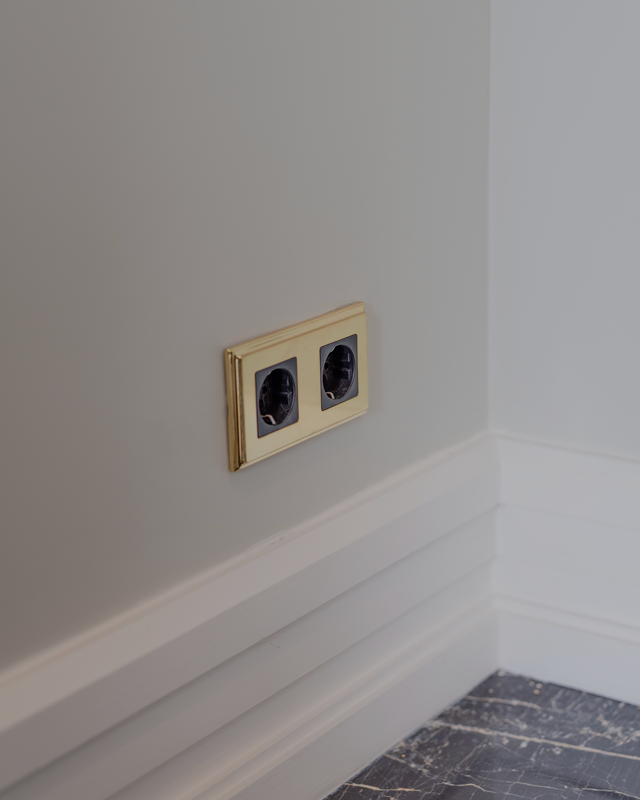
Electricity is one of the most essential needs of modern life. Imagining a day without electricity is almost impossible—from lighting your home to using appliances and digital devices, all rely on a safe and well-designed electrical system. In this context, switches and sockets serve as the primary interface between users and the electrical system, playing a vital role.
At first glance, installing switches and sockets may seem simple. However, if installation is not performed according to national and international standards and by qualified professionals, it can lead to serious issues such as electric shock, fire, or malfunction of devices. Therefore, adhering to proper installation standards and principles is crucial not only for safety but also for aesthetics and functionality.
This article provides a comprehensive and practical guide to switch and socket installation, covering both technical and user perspectives. It includes a comparison of Iranian and international standards, types of switches and sockets, safety and aesthetic considerations, and common installation mistakes.
Standards for Placing Switches and Sockets
One of the first considerations in designing and installing switches and sockets is their height and distance from the floor and other building elements. These standards are designed for convenience, safety, and prevention of potential hazards.
1. Iranian National Standards (Based on Chapter 13 of National Building Regulations)
-
Bedrooms and Living Rooms: Socket height should be 30–40 cm from the floor. This height ensures easy access while keeping them less visible.
-
Kitchen: Sockets are generally installed at 60 cm above the counter to avoid water and cleaning hazards.
-
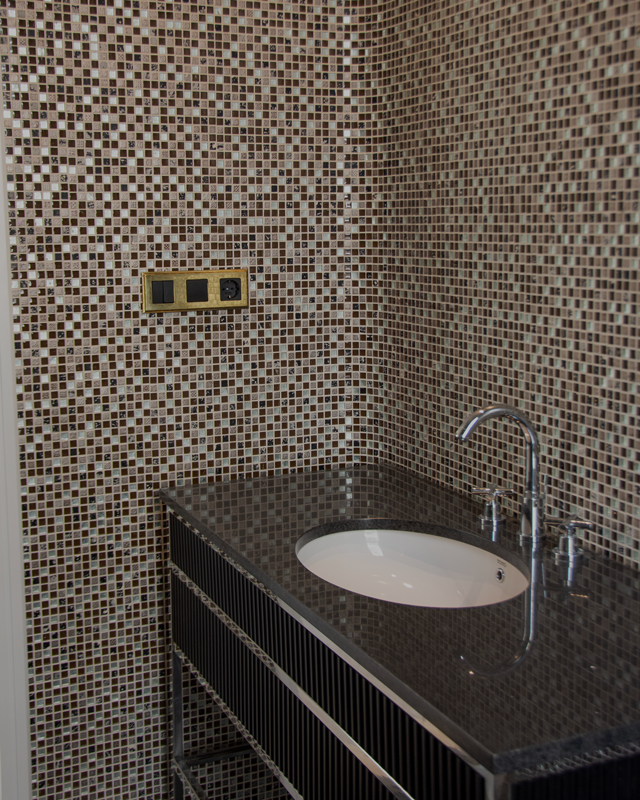
Bathroom and Restroom: Standard height is 90 cm, and waterproof sockets (IP44 or higher) are mandatory.
-
Balcony and Terrace: Standard height is 120 cm to protect from rain and moisture.
2. Comparison with International Standards
-
Europe (DIN Germany & BS UK): Residential socket height is usually 30 cm from the floor.
-
USA (NEC): Standard height is 30–45 cm, with higher heights for kitchens and bathrooms.
-
Japan: Sockets are sometimes installed lower (15–20 cm) to keep cables less visible.
Conclusion: Iranian standards largely align with European standards, though there are differences in kitchen socket heights.
| Space | Socket Height from Floor | Switch Height from Floor | Standard Distances | Key Notes |
|---|---|---|---|---|
| Bedroom/Living Room | 30–40 cm | 110–120 cm | Distance from switch to bedside socket: 30–40 cm; Distance between two lighting switches: 90–100 cm; Distance from switch to TV or desk socket: 60–70 cm | Install switches near the entrance and at least two sockets near the bed for lamps and charging |
| Kitchen | 30–40 or 60 cm | 110–120 cm | Distance from socket to sink: ≥60 cm; Distance from socket to stove: ≥60 cm; At least one socket per 2 m of countertop | Use grounded sockets with RCD protection |
| Bathroom/Restroom | 90 cm | Near door or easily accessible | Distance from socket to washbasin/shower: ≥30 cm | Only IP44 or higher; consider RCD protection |
| Balcony/Terrace | 120 cm | 110–120 cm | Distance from wall/floor to prevent rain damage | Use waterproof socket IP54 or higher with protective cover |
Types of Switches and Sockets and Their Applications
This section explains common types of switches and sockets in simple terms for regular users and includes technical notes for electricians and engineers. The goal is for both buyers and installers to benefit from the information.
1. Classification by Function
-
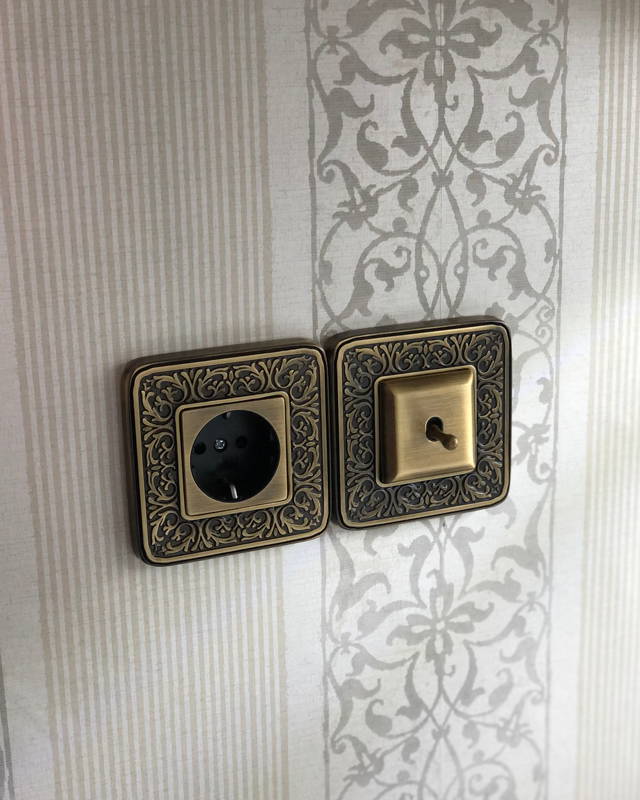
Single-Pole Switch: Controls one circuit (e.g., a single light).
-
For electricians: Works on the live wire (L); neutral (N) goes directly to the lamp.
-
Example installation: Switch next to the room entrance.
-
-
Double-Pole Switch: Two independent switches in one frame for controlling two circuits or lamp groups (e.g., chandelier + recessed lights).
-
Two-Way (Intermediate) Switch: Allows control of a light from two different points (e.g., hallway ends or both sides of a large bed).
-
For electricians: Requires traveler wires between the two switches.
-
-
Cross Switch: For controlling a light from three or more points (used in combination with two-way switches).
-
Dimmer Switch: Adjusts light intensity. Choose a dimmer compatible with the lamp type (LED vs. incandescent).
-
For electricians: Ensure load compatibility to prevent flickering or malfunction.
-
-
Touch Switch: Modern appearance, touch operation, sometimes with backlight, remote control, or smart home connectivity.
-
Timer, Sensor, and Special Switches:
-
Timer switch: Temporary lighting.
-
Motion sensor switch: Hallways, garages, or outdoor spaces.
-
2. Types of Sockets
-
Standard Socket: For general household devices (TV, vacuum). Grounded is recommended.
-
Grounded Socket: Includes earth pin for safety, especially for metallic appliances.
-
USB Socket: For charging devices without adapters; popular in modern spaces.
-
Waterproof Socket (IP-rated): For wet or outdoor areas; IP44+ recommended.
-
Industrial / Three-Phase Socket: For motors, machinery, or high-power equipment.
-
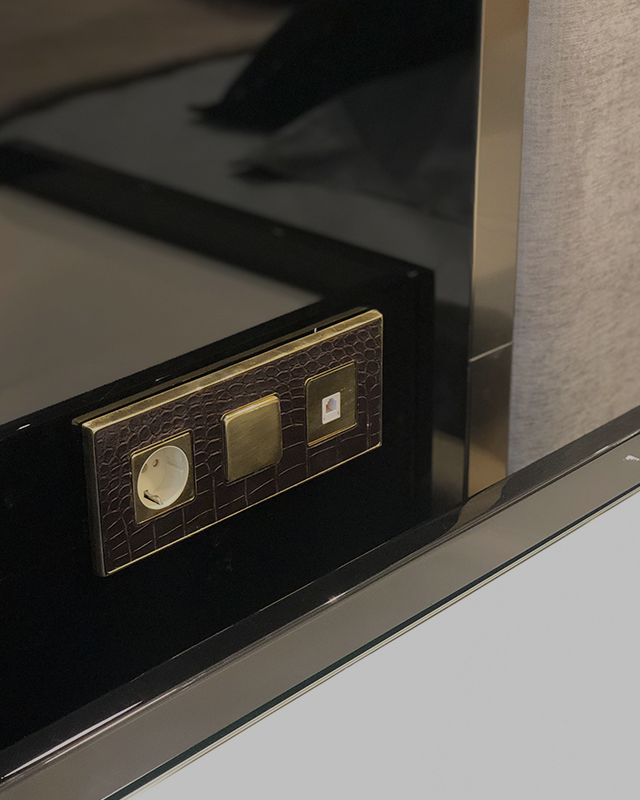
Surge-Protected Socket: Protects sensitive equipment (computers, TVs) from voltage fluctuations.
3. Technical Specifications to Know Before Installation
-
Rated Current and Voltage: Typical ratings include 6A / 10A / 16A / 20A. General-purpose sockets: 16A; high-load devices require dedicated circuits.
-
Cable Cross-Section (mm²):
-
Lighting circuits: 1.5 mm²
-
General sockets: 2.5 mm²
-
Heavy-load appliances: 4–6 mm² depending on power and distance
-
-
Wire Color Standards (IEC):
-
Live: brown (or black/red in old wiring)
-
Neutral: blue
-
Earth: yellow-green
-
-
Impact Resistance (IK Rating): IK07+ recommended in public or high-risk areas.
-
Internal Mechanism Quality: Ensures long life, minimal noise, stable connection.
4. Practical Tips Based on Location
-
Living Room: Single-pole switch at the entrance + switches near sofa/console. Socket near TV with earth and USB.
-
Bedroom: Bedside sockets for charging; two-way switches in large rooms; dimmers for adjustable lighting.
-
Kitchen: Countertop sockets at ~60 cm; dedicated socket for refrigerator and stove; use grounded sockets.
-
Bathroom: Prefer switches outside wet areas; waterproof sockets IP44+ at least 30 cm from water sources.
-
Balcony/Outdoor: Waterproof switches/sockets at higher height (~120 cm).
5. Common Wiring for Each Type of Switch
-
Single-Pole: Live → switch → lamp; neutral directly to lamp.
-
Two-Way: Live to first switch → two traveler wires to second switch → lamp.
-
Cross Switch: Placed between two two-way switches to control light from 3+ points.
6. Modern and Smart Features
-
Smart switches/sockets (Wi-Fi/Zigbee/Z-Wave) for mobile control, scheduling, energy monitoring.
-
Motion or presence sensor switches.
-
Sockets with additional protection (RCD).
-
USB-C sockets with Power Delivery for fast charging.
7. Common Mistakes in Selection/Installation
-
Choosing incorrect current/voltage for the load.
-
Using undersized cables for high-power sockets.
-
Installing non-grounded sockets where grounding is needed.
-
Incompatible dimmers for LED lights.
-
Ignoring IP rating in wet or outdoor areas.
8. Quick Checklist
For buyers:
-
Identify your needs (lighting, general socket, heavy-load appliance).
-
Check for grounding.
-
Check IP and rated capacity.
-
Ensure dimmer compatibility with LEDs.
For installers/electricians:
-
Verify wiring plan and colors.
-
Select appropriate cable size.
-
Secure connections and use a tester.
-
Perform functionality and earth continuity tests after installation.
Safety Tips for Switch and Socket Installation
1. Importance of Safety
Although small, switches and sockets can be significant sources of danger if safety is ignored:
-
Electric shock for users or installers
-
Short circuit and fire hazards
-
Damage to sensitive appliances
-
Costly wiring repairs
2. Preliminary Actions Before Installation
-
Turn off the main breaker.
-
Test with a voltage tester or multimeter.
-
Prepare insulated tools (screwdrivers, pliers).
-
Wear insulated gloves and proper footwear, especially in wet areas.
3. Wiring and Connection Safety Principles
-
Use appropriate cable cross-section (lighting: 1.5 mm², general sockets: 2.5 mm², heavy-load appliances: 4–6 mm²).
-
Never remove grounding.
-
Secure all connections to prevent sparks or overheating.
-
Keep wires separated; use terminals or insulation if necessary.
4. Protective Standards
-
IP Protection:
-
Dry indoor areas: IP20
-
Bathrooms/kitchens: ≥IP44
-
Outdoor: IP54 or IP65
-
-
RCD / Residual Current Device: Recommended for all socket circuits to cut power in case of leakage.
-
Miniature Circuit Breaker (MCB): Each lighting and socket circuit should have a separate MCB.
5. Common Installation Mistakes
-
Installing sockets near water without proper IP rating.
-
Connecting earth wire to neutral.
-
Using low-quality or counterfeit switches/sockets.
-
Excessive insulation stripping exposing too much bare wire.
-
Skipping final functionality tests.
6. Final Testing
-
Test switches with voltage tester.
-
Check sockets with a small device or lamp.
-
Test earth continuity (<2 ohms).
-
Ensure frame and mechanism are secure.
7. Special Tips for Electricians
-
Review wiring diagram and architectural plan before installation.
-
Keep wiring paths vertical or horizontal (not diagonal).
-
Identify old wiring in existing buildings; color codes may differ.
-
Use certified testers; low-quality testers can give false readings.
Choosing Color and Design for Switches, Sockets, and Recessed Light Frames in Interior Design
1. Why Color and Design Matter
Switches and sockets, though small, are constantly visible and impact overall aesthetics. Proper selection can:
-
Make the home appear more luxurious and cohesive
-
Complete decorative details
-
Enhance modern or classic ambiance
Brands like ZEMGROUP offer a wide range of luxurious colors and designs that are both functional and visually appealing.
2. Popular Colors for Switches and Sockets
-
Classic White: Simple, timeless, suitable for minimal and bright spaces.
-
Luxury Black: Modern and bold, ideal for industrial or contemporary design.
-
Gold and Rose Gold: Very luxurious, coordinates with metallic chandeliers and recessed light frames.
-
Silver and Stainless Steel: Modern, durable, ideal for kitchens or contemporary spaces.
-
Wood or Stone Patterns: Suitable for classic or natural styles like rustic and neoclassical.
3. Role of Recessed Light Frames
Beyond lighting, recessed light frames serve as decorative elements. Correct selection can:
-
Enhance false or gypsum ceilings
-
Harmonize with switches and sockets
-
Increase the luxurious feel of the space
Examples:
-
Glossy gold frames with gold switches create a cohesive luxury effect.
-
Matte black frames with black modern switches suit minimalistic or industrial spaces.
4. Combining Switch/Socket Colors with Recessed Frames
-
Use light colors (white, silver) in small spaces to visually expand the area.
-
Use dark colors (black, gold) in large spaces for a luxurious effect.
-
Gold + White combination: modern and luxurious
-
Black + Rose Gold: stylish and contemporary
5. Practical Tips
-
Match with furniture and flooring: wood furniture → wood-pattern switches or bronze frames.
-
Coordinate with lighting: frame color complements light color (warm light + gold/bronze frames).
-
Discreet or decorative:
-
Discreet: simple colors like white
-
Decorative: standout colors like gold or rose gold
-
6. Examples of ZEMGROUP Luxury Products
-
Matte black switches and sockets: modern, industrial style
-
Gold and rose gold models: luxurious spaces
-
Bronze and glossy gold recessed frames: ideal for living rooms and elegant halls
-
Simple white recessed frames: best for minimal or office spaces
Comprehensive Guide for Selecting, Installing, and Maintaining Switches, Sockets, and Recessed Frames
Switches, sockets, and recessed frames, though small, play a crucial role in safety, convenience, and interior design aesthetics. Key points covered in this article:
1. Importance of Standard Installation
-
Proper height and distance ensure convenience and safety.
-
Iranian Standards recommend varying heights for bedrooms, living rooms, kitchens, bathrooms, and balconies.
-
Following distances and standards prevents power outages, electric shock, and device damage.
2. Choosing the Right Color and Design
-
Colors and designs should match interior decor and lighting.
-
White, black, gold, rose gold, silver, and wood create different spatial effects.
-
Appropriate selection makes switches and sockets part of the interior design.
3. Importance of Material Selection
-
Material affects durability, tactile feel, and luxurious appearance.
-
Options include ABS plastic, metal (brass, steel), glass/crystal, and wood.
-
Correct material selection based on wet areas, decor style, and usage increases lifespan and satisfaction.
4. Maintenance and Longevity
-
Regular cleaning, connection checks, moisture and impact protection, and childproofing extend life.
-
Observing these tips enhances building safety and prevents early failure.
To maximize benefits:
-
Install according to standard heights and distances
-
Select colors and designs consistent with decor
-
Choose suitable materials for durability and luxury
-
Follow maintenance tips for longevity and safety
-
Consult a professional for special installations or unique sockets

