


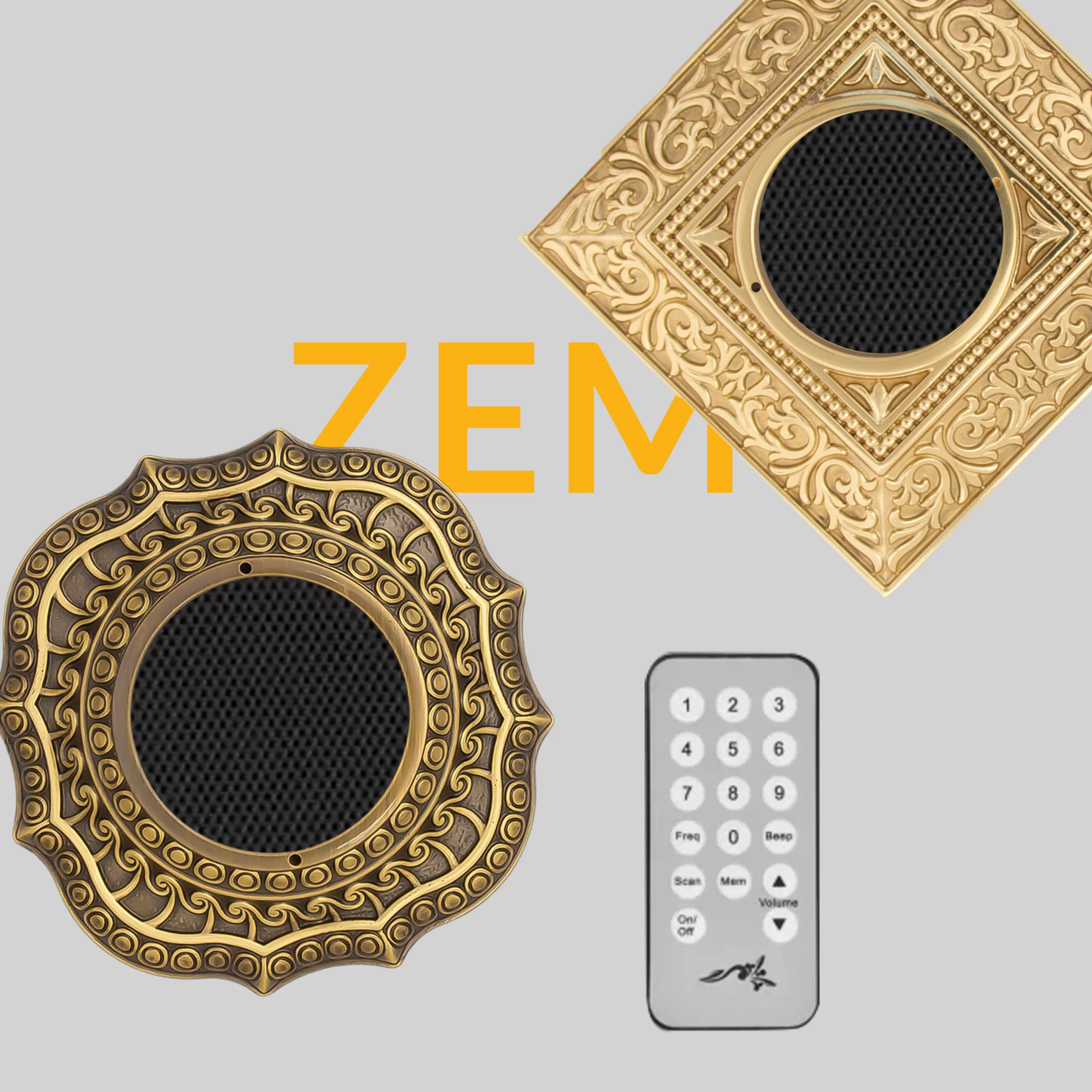
In today’s modern world, interior design is not limited to choosing wall colors or furniture types; the coordination of all elements in a space—from lighting to audio systems—plays a decisive role in creating a pleasant and professional environment. One of the most important trends in recent years is the use of recessed audio systems: a smart solution for those seeking a high-quality audio experience without cluttering the space with additional equipment and fully integrated with interior design.
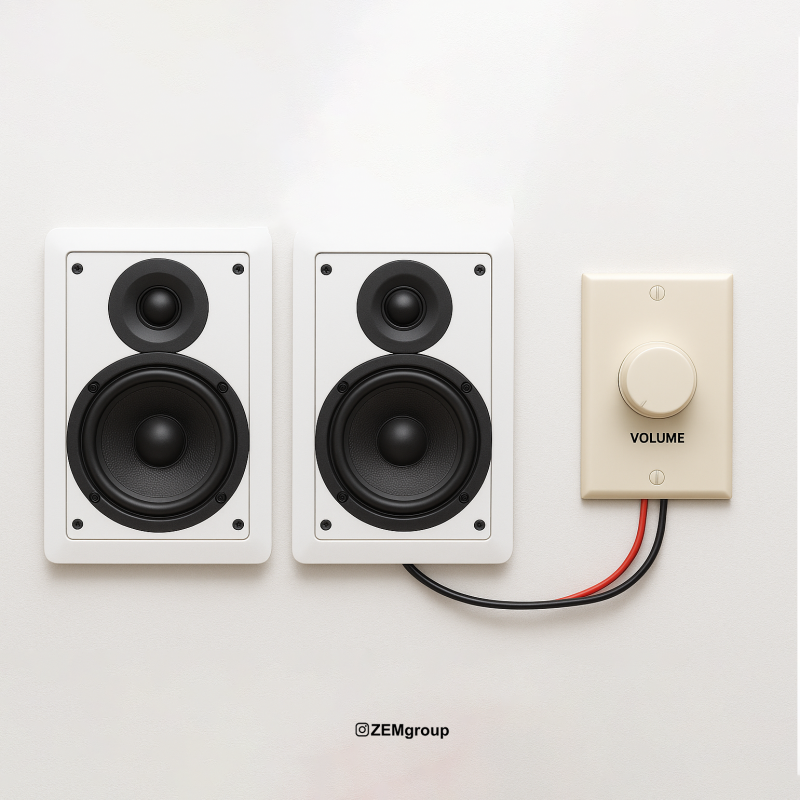
Recessed speakers are designed to be installed directly within walls or ceilings, seamlessly integrating with the space. This feature allows for clear, immersive sound throughout the environment without occupying any visible space. Whether in luxury modern homes, offices, or restaurants and commercial spaces, these speakers deliver a unique auditory experience.
Alongside these systems, volume control acts as a vital complement. Volume control allows users to independently adjust the sound in each area or zone, similar to dimmers used to regulate lighting intensity. Therefore, combining recessed speakers with volume control systems not only enhances sound quality but also provides greater convenience and flexibility to users.
An interesting point is that some modern products, such as ZEMGROUP ceiling halogen frames, also allow the installation of recessed speakers. This intelligent combination of light and sound is effective in saving space while offering a modern and unique aesthetic to interior design.
Types of Recessed Speakers
- In-Wall Speakers
These speakers are installed inside walls and are typically used for home theater systems or multi-room audio systems. Their main advantage is that they fully integrate with the wall surface and do not occupy any space. In homes with limited square footage, in-wall speakers are an ideal choice because they deliver clear and powerful sound without visual clutter.
- In-Ceiling Speakers
If the goal is to distribute sound evenly throughout the space, ceiling speakers are the best choice. These models provide an immersive, all-encompassing audio experience by distributing sound from above the environment. Therefore, they are widely used in living rooms, lounges, offices, and restaurants. One important advantage of this type is the ability to combine them with ZEMGROUP ceiling halogen frames, which are used for lighting and can also accommodate recessed speakers. This combination ensures that both light and sound are available seamlessly from a single installation point.
- Multi-Room Speakers
In larger projects such as villas, multi-story buildings, or commercial centers, it is necessary to independently control audio in different areas. Multi-room speakers are installed in various locations and allow the user to select which music or audio content is played in each room or area. These systems are typically managed with separate volume controls or through a mobile application.
- Outdoor In-Wall Speakers
For open spaces such as yards, terraces, or near swimming pools, weatherproof recessed speakers are designed. These models provide strong and wide sound coverage while resisting moisture and changing weather conditions. Installing these speakers can transform an outdoor space into an environment suitable for parties, gatherings, or relaxing with music.
Components of Recessed Speakers
Like any other audio system, recessed speakers consist of several key components, each of which plays a vital role in producing high-quality sound. Familiarity with these components helps make a more informed and smart purchasing decision.
- Woofer
The woofer is responsible for producing low-frequency bass sounds, providing the deep and powerful sound that makes the listening experience feel realistic and strong.
- The woofer is typically made of materials such as polypropylene, aluminum, or carbon.
- Lightweight and durable woofers can transmit sound without distortion or noise.
- In ceiling-mounted recessed speakers, choosing a high-quality woofer is especially important because it directly affects sound clarity in large spaces.
- Tweeter
Tweeters are responsible for reproducing high-frequency sounds, such as vocals or treble instruments.
- Some models are fixed, while advanced tweeters can be rotated or angled.
- Adjustable tweeters allow users to change the direction of sound and achieve a better listening experience.
- This feature is particularly useful in asymmetrical spaces or rooms with unique designs.
- Crossover Networks
Crossovers are the brain of the speaker.
- Their job is to properly divide frequencies between the woofer and the tweeter.
- Simply put: low sounds go to the woofer and high sounds go to the tweeter.
- The quality of the crossover directly affects sound clarity and coherence. Advanced models use precise circuits and stronger electronic filters.
- Grille and Cover
The grille and cover not only protect the internal components of the speaker but also play an important role in the final aesthetics.
- Usually made of thin metal or durable plastic.
- Most can be painted to match the color of the wall or ceiling.
- In modern products like ZEMGROUP ceiling halogen frames, the design ensures that the recessed speaker is fully minimal and integrates seamlessly with lighting. This combination makes the speaker invisible in the décor while providing high-quality sound and light.
Advantages of Recessed Speakers
Recessed speakers are not just simple audio devices; they combine modern design, advanced technology, and ease of use. This is why they have become the top choice for interior designers, architects, and residential users in recent years.
- Space-saving
One of the main advantages of recessed speakers is that they do not occupy space.
- Unlike floor-standing or desktop speakers, they do not take up any floor or shelf area.
- For small homes, apartments, or offices where every square meter matters, this feature is highly valuable.
- At the same time, the sound quality remains professional and uncompromised.
- Aesthetics and seamless design
Recessed speakers are virtually invisible in interior décor.
- The grille or cover can be painted to match the wall or ceiling.
- In models like ZEMGROUP ceiling halogen frames, the speaker is fully integrated with the lighting, completely hidden from view.
- This feature is a key advantage for those who prioritize minimal or luxury design.
- Even sound distribution
A common issue with desktop speakers is limited sound coverage: the audio is good in one spot but weaker elsewhere.
- Recessed speakers, especially ceiling models, distribute sound evenly and comprehensively.
- This is highly useful for large halls, restaurants, or public spaces.
- Even in homes, music or movie sound can be heard throughout the space without increasing volume.
- Flexibility in system design
Recessed speakers are not limited to one model or specific application.
- From a simple pair for a bedroom to complex multi-room systems in villas, all configurations are possible.
- Users can combine ceiling, wall, and outdoor speakers to create a fully customized system.
- They can also be connected to manual or digital volume control systems, enhancing the user experience.
- Suitable for smart homes
In modern projects, recessed speakers can easily integrate with smart home systems.
- Sound can be controlled via mobile, tablet, or wall-mounted smart panels.
- Volume in each room can be managed independently.
- This makes recessed speakers an indispensable component of luxury and modern homes.
- Increased property value
Having a professional, aesthetically pleasing recessed audio system can directly increase property value.
- Homes with such features are recognized in the real estate market as modern and luxurious options.
- For commercial or villa projects, this can be a significant competitive advantage.
Volume Control and Its Role in Recessed Audio Systems
Having high-quality speakers alone is not enough to enjoy the best audio experience. Just as dimmers are used for lighting control, volume control devices exist in audio systems to manage sound more efficiently.
What is Volume Control?
Volume control is an intermediary between the audio source (such as an amplifier or player) and the recessed speakers. It allows the user to adjust the volume or even mute sound in each zone or room. In simple terms, volume control is the “light switch” of the audio world.
Types of Volume Control
- Mechanical Volume Control (Rotary or Switch):
- The simplest and most common type.
- Usually installed as a rotary knob or lever on the wall.
- Affordable and easy to use.
- Digital or Touch Volume Control:
- More modern design, suitable for smart homes.
- Some models feature LED displays.
- Can connect to central smart systems.
- Wireless Volume Control:
- Can be operated via remote or mobile app.
- Ideal for large spaces or projects requiring multi-zone audio management.
Benefits of Volume Control
- Flexibility: Each room can have independent sound levels.
- Energy-saving: Sound in unused zones can be completely muted.
- Prolonged system life: Prevents overloading speakers and amplifiers.
- Aesthetic integration: Many volume controls have modern, stylish designs that match switches and outlets.
Applications
- Homes and apartments: Control sound in living rooms, kitchens, or bedrooms independently.
- Restaurants and cafes: Adjust sound in different sections of the environment.
- Commercial and office spaces: Manage audio in meeting rooms or public areas.
Combining Recessed Speakers with ZEMGROUP downlight
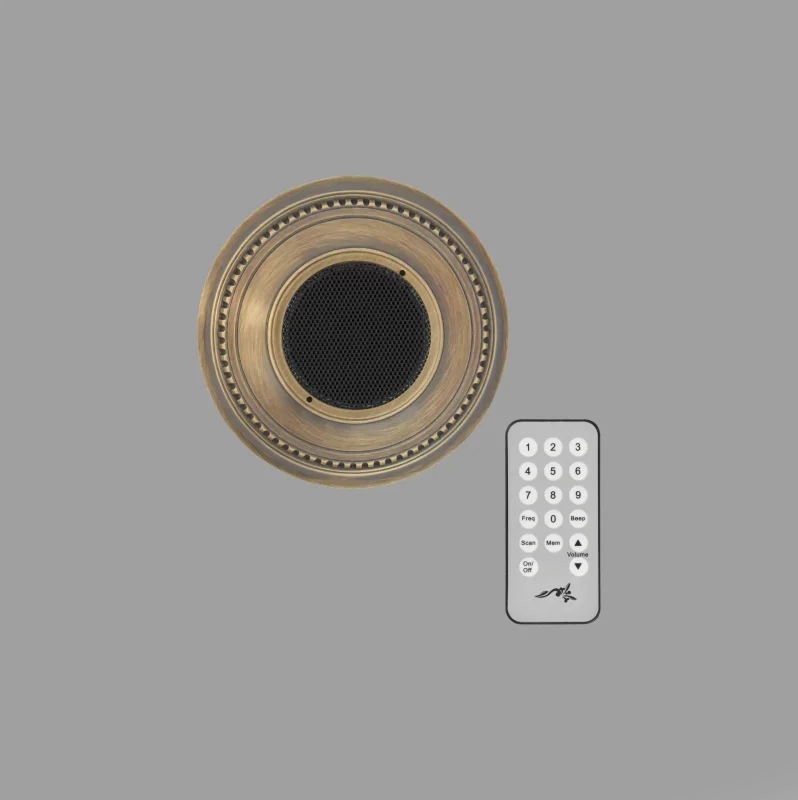
A remarkable innovation in modern interior design is the combination of lighting and audio systems into a single unit. ZEMGROUP, with its ceiling halogen frames equipped with recessed speakers, offers a unique solution that combines both aesthetics and functionality in one product.
Why Combine Light and Sound in One Frame?
- Space-saving: No need to install separate speakers and lights.
- Seamless aesthetics: The ceiling or wall appears clean and minimal without clutter.
- Simplified installation: Electricians can connect the recessed speaker directly in the halogen frame installation location.
- Multi-sensory experience: Simultaneous lighting and sound create a modern, distinctive environment.
Features of ZEMGROUP Halogen Frames with Recessed Speakers
- Modern design that integrates with interior décor.
- High-quality, durable materials.
- Available in various sizes and designs.
- Can connect to volume control systems and smart home devices.
Applications
- Luxury homes: Create a relaxing atmosphere in living rooms or bedrooms.
- Hotels: Combine light and music for a more enjoyable guest experience.
- Restaurants and cafes: Simultaneous lighting and music without occupying extra space.
- Commercial and office spaces: Enhance professional and modern aesthetics.
Advantages and Disadvantages of Recessed Speakers and Volume Control
Advantages of Recessed Speakers
- Minimalistic and aesthetic: Does not occupy space or show extra equipment.
- Uniform sound quality: Delivers balanced sound throughout the environment.
- Integrates with interior design: Fully blends with walls or ceilings.
- Compatible with smart systems: Works with modern smart homes.
- Can be combined with lighting: Installable in ZEMGROUP halogen frames for unique effects.
Disadvantages of Recessed Speakers
- Higher installation cost: Due to wall or ceiling cutting requirements.
- Requires proper wiring: Should be planned during construction or renovation.
- Difficult to relocate: Unlike portable speakers, moving is not easy.
Advantages of Volume Control
- Independent control for each zone: Manage sound separately in different rooms.
- Easy to use: Similar to a light switch or dimmer.
- Extends system life: Prevents excessive strain on speakers and amplifiers.
- Stylish designs: Can match switches and outlets.
Disadvantages of Volume Control
- Dependent on wiring: Requires correctly planned audio pathways.
- Limited features in basic models: Mechanical volume controls only adjust sound level.
- Higher cost for digital or wireless models: Although they provide more functionality.
Frequently Asked Questions (FAQ)
- What is a recessed speaker, and how does it differ from a regular speaker?
A recessed speaker is installed inside a ceiling or wall and integrates with the interior design, whereas a regular speaker is placed on the floor or a desk and occupies more space.
- Do recessed speakers provide good sound quality?
Yes. These speakers are designed to distribute sound evenly in the environment. In professional projects, with a sufficient number of speakers, very clear and powerful sound can be achieved.
- What is the purpose of a volume control?
Volume control allows you to independently adjust the sound level in each room or zone, similar to a dimmer for lights.
- Can recessed speakers be installed after construction is completed?
Yes, but the best time for installation is during renovation or initial construction, as it requires wall or ceiling cutting and proper wiring.
- Are ZEMGROUP halogen frames with recessed speakers practical?
Yes. These frames combine light and sound, saving space while adding a modern and distinctive aesthetic to interior design.
- What is the cost of recessed speakers and volume control?
Prices vary depending on the brand, quality, and features (such as digital or wireless). ZEMGROUP products offer diverse options for residential and commercial projects.
- Can recessed speakers connect to a smart home system?
Yes. Many modern models are compatible with smart home systems and can be controlled via an app or remote.

