


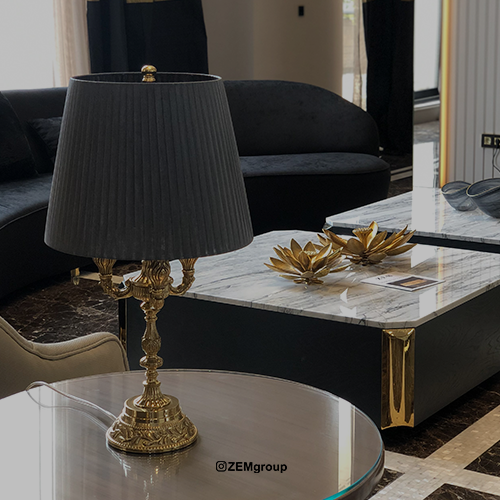
A bedroom is not just a place for sleep; it is a space for relaxation, quiet reading, preparing for the day ahead, and sometimes light work. The right lighting can make the difference between an ordinary room and a luxurious, peaceful retreat. This article aims to show readers how, by choosing and arranging the right lights and control equipment (such as modern switch panels and outlets), they can create a space that is both functional and inviting.
General Principles of Bedroom Lighting
Before selecting models and making purchases, it’s important to understand a few basic principles. These principles not only assist in visual design but also ensure that lighting promotes comfort and restful sleep.
Layered Lighting
Professional lighting design is based on layers:
-
Ambient Lighting: General illumination of the room that defines the overall atmosphere. Typically provided by ceiling lights or chandeliers.
-
Task Lighting: Light designed for specific activities like reading in bed, getting ready by a mirror, or working on a laptop. Bedside lamps, table lamps, and wall sconces are examples of this layer.
-
Accent/Decorative Lighting: Used to highlight decorative elements like the headboard, artwork, or feature walls. Examples include hidden lighting, profile lighting, or targeted spotlights.
The combination of these three layers creates a space that is both functional and atmospheric.
Color Temperature and Quality of Light
-
For bedrooms, warm lighting is usually recommended, as it helps create a sense of calm and encourages sleep. The typical range for a warm tone is 2700 to 3000 Kelvin. For more focused tasks like reading, a softer white light of around 3000–3500 Kelvin may be used in task lighting.
Dimming & Zoning Light Intensity
-
Using dimmers or modern switch panels with the ability to adjust light intensity is essential for a bedroom. Being able to control the light allows you to create different moods: from full brightness when tidying up the room to very soft lighting for sleep.
-
Ideally, the room should be divided into multiple light zones (for example, ceiling zone, bed zone, mirror zone), with each zone controllable independently. This not only saves energy but also makes daily use more convenient.
Light Direction and Distribution — Avoiding Glare and Harsh Shadows
-
Direct, intense light aimed at the eyes or placed at an inappropriate height causes glare. Using matte coverings or diffusers can help spread the light evenly.
-
Task lighting should be positioned to prevent shadows from interfering with the task (for reading in bed, the light should be placed opposite the hand, or a light with an adjustable beam should be used).
-
Be mindful of surface reflections: reflective surfaces scatter light and can cause unwanted glare, whereas fabrics and matte materials are generally more suitable for bedrooms.
Interaction of Light with Furniture and Colors
-
Wall colors, curtains, and pillows can change the intensity and perceived quality of light. Dark walls require more light, while light walls reflect more light.
-
When designing lighting, consider the arrangement of the bed, nightstands, and wardrobe so that lighting zones and placement make sense.
Technical and Practical Tips Often Overlooked
-
Replace all light bulbs with high-quality LEDs — they last longer, generate less heat, and are more energy-efficient.
-
Make sure the switches and dimmers are compatible with LED bulbs, as some older dimmers may have issues with them.
-
Switch placement: A control panel near the entrance and another panel by the bed can be useful for controlling lights efficiently.
For smaller bedrooms, using intelligent light reflections with mirrors and hidden lighting can make the space appear larger.
What Type of Lighting is Needed in a Bedroom?
For a bedroom to be both functional and create a calm, beautiful space, it should have multiple types of lighting. Each type serves a different purpose, and their absence can result in a flawed design. Below are three main categories of bedroom lighting:
1. Ambient Lighting
Role and Importance
Ambient lighting is the general illumination of the room, providing the main light source for the space. Its goal is to create even lighting throughout the room so that you can move around easily, arrange your clothes, or perform daily tasks.
Choosing Ceiling Lights
-
Modern Ceiling Light: If the room has a simple and minimalist design, modern flat ceiling lights are an excellent choice.
-
Chandelier or Luxurious Ceiling Light: In rooms with a classic or luxurious design, chandeliers not only provide sufficient light but also add a dramatic touch.
-
Recessed Ceiling Lights: For smaller or modern rooms, recessed lights are ideal as they distribute light evenly and help the room appear larger.
Installation Tips
The ceiling light should be installed at the center of the room or directly above the bed to ensure even light distribution. It’s better to use warm LED bulbs to create a more relaxing atmosphere.
Importance of Switch and Socket Placement
-
Easy Light Control:
A switch or panel next to the room entrance allows you, as soon as you enter, to turn the main light on or off.
A panel next to the bed allows adjusting the brightness, turning on the bedside lamp, or even changing the light color if you are using RGB lights, all without getting up. -
Compatibility with Activities:
The location of switches should be compatible with your activities: reading, resting, getting ready, and even working with a laptop. If switches are in inappropriate locations, using the lights becomes difficult and the comfort of the room decreases.


2. Task Lighting
Role and Importance
Task lighting is the light you need for specific activities like reading, applying makeup, or using a laptop. Without task lighting, you would either need to turn on the main ceiling light (which is too harsh at night) or work in inadequate lighting.
Choosing Bedside Lamps
-
Table Lamps: These are an excellent choice for those who like to read a book before bed. Besides being functional, they add a decorative touch to the nightstand.
-
Wall Sconces: If you want to free up space on your nightstand, wall sconces are a great option. These are usually installed on both sides of the bed and give a modern, chic look.
Choosing Wall Lights for Other Parts of the Room
-
Near the Mirror or Vanity: Wall-mounted lights help avoid shadows on the face, making tasks like applying makeup or getting ready easier.
-
Opposite the Bed: Installing a decorative wall light in this area can make the room feel more luxurious.


3. Accent & Decorative Lighting
Role and Importance
This type of lighting is more about aesthetics and creating an ambiance than providing general illumination. Accent lighting can transform a bedroom from a regular space to a unique, personalized retreat.
Ideas and Choices
-
Hidden Lighting Behind the Headboard: Creating a glowing outline can make the room feel calmer and more modern.
-
Decorative Recessed Lights: Installing halogen lights above artwork or shelves can highlight decorative details.
-
Decorative Wall Lamps: Models that are more about beauty than functionality can serve as focal points in the room.


The Role of Modern Switch Panels and Outlets in Bedroom Lighting
When it comes to bedroom lighting, many people focus only on the lights and forget about the importance of switches and outlets. However, these elements play a crucial role in the daily experience of using lighting.
The Importance of Switch and Outlet Placement
-
Easy Control of Light: A switch or panel near the entrance allows you to turn on the main light as soon as you enter. A panel next to the bed makes it easy to adjust the light intensity or turn on the bedside lamp without getting up.
-
Suitability for Activities: The placement of switches should align with your activities: reading, resting, preparing, or working. If switches are placed poorly, using the lights can become inconvenient, and the room’s comfort may decrease.
Modern Switch Panel Features and Benefits
-
Multi-functional Light Control
Modern panels allow you to control ceiling lights, wall sconces, and bedside lamps from one spot. Many models offer dimming options and even color-changing features if you use RGB bulbs. -
Luxurious Appearance and Decor Compatibility
The minimalistic design of modern panels helps them blend seamlessly with the lights and overall room decor. High-quality materials (glass, brass, aluminum) enhance the room’s appearance. -
Additional Smart Features
Some panels come with USB ports or can connect to a smart home system, offering remote control of the lights. You can program your lights for different scenarios, like soft lighting for sleep and full brightness for reading.
Installation Tips and Use
-
Install Near the Bed: For convenience, place a panel or switch by the bed to control bedside lamps and wall lights.
-
Install Near the Entrance: Another panel near the door makes it easy to control general room lighting.
-
Zoning Lights: If the panel supports multiple light zones, assign each light or group of lights to a separate zone.
Common Mistakes in Bedroom Lighting and How to Avoid Them
Proper bedroom lighting directly impacts your comfort, quality of sleep, and the room’s aesthetic. Even with the best lights and equipment, certain mistakes can undermine the lighting experience. Here are some common mistakes and solutions:
1. Using Too Bright or White Light
Bright white or harsh light can cause eye strain, reduce relaxation, and even disrupt sleep. Many people use very white lights, especially for reading or using the ceiling light, without considering the lighting’s color temperature.
Solution:
-
Use warm white light (2700–3000K) for general bedroom lighting.
-
For reading or light tasks by the bed, use soft white or natural white to ensure good visibility without disturbing relaxation.
-
Combine different layers of lighting: warm general light with slightly brighter and whiter task lighting for optimal results.
2. Lack of Proper Task Lighting
Without proper task lighting, activities like reading, using a mobile device, or working on a laptop become challenging. Relying solely on the ceiling light, especially at night, can cause discomfort.
Solution:
-
Install adjustable bedside lamps or wall sconces with dimming features.
-
Use wall-mounted lights with adjustable beams to reduce shadows and enhance readability.
-
For larger rooms, place multiple lights at different angles to ensure uniform lighting.
3. Poor Switch Placement
If switches or control panels are not installed in the right places, using the lights can become inconvenient. For instance, if the bedside light lacks an easy-to-reach switch, you’ll have to get out of bed each time to turn it on or off.
Solution:
-
Install a modern panel or switch near the bed for easy control of bedside lamps and wall lights.
-
Place another panel near the room entrance for controlling ceiling lights and general lighting.
-
Use smart panels that control multiple zones of light, offering maximum convenience and energy savings.
4. Not Using Dimmers or Light Intensity Control
Many bedrooms are equipped with simple on/off switches, meaning there’s no way to adjust the intensity of the light. As a result, the lighting remains static, failing to meet the varying needs of different activities.
Solution:
-
Use dimmers or smart panels to control light intensity.
-
Adjust light settings for different modes: reading, resting, sleeping, night light, or decorative ambiance.
-
Combining dimmers with ceiling, wall, and bedside lights allows for complete flexibility.
5. Poor Coordination Between Lighting and Interior Design
Sometimes, the lighting doesn’t match the room’s decor, like using cool-toned light in a room with warm-colored walls or harsh lights in a small space.
Solution:
-
Choose light color temperatures that complement the wall colors and furniture.
-
Use hidden lighting or wall lights that match the design of the room.
-
Pay attention to how light reflects off different surfaces (walls, ceiling, floor).
Frequently Asked Questions
-
What is the best color of light for a bedroom?
Warm white (2700–3000K) is ideal for relaxation and restful sleep. Soft white (3000–3500K) is suitable for reading or light tasks by the bed. -
Is it necessary to have multiple types of lighting in the bedroom?
Yes, combining ambient, task, and accent lighting ensures that the room is both functional and peaceful. -
Should bedside lamps be table lamps or wall-mounted?
If space on the nightstand is limited, wall-mounted lamps are a better option. If space is ample, a table lamp can enhance the room’s aesthetic and be easily repositioned. -
What role do switch panels and outlets play in lighting design?
Switch panels allow easy control of various lights and adjusting light intensity, creating a comfortable and functional experience, especially when placed near the bed or entrance. -
Is using a dimmer essential?
Yes, dimmers or smart panels help adjust light intensity for different activities (sleep, reading, relaxation) and optimize energy usage.

