


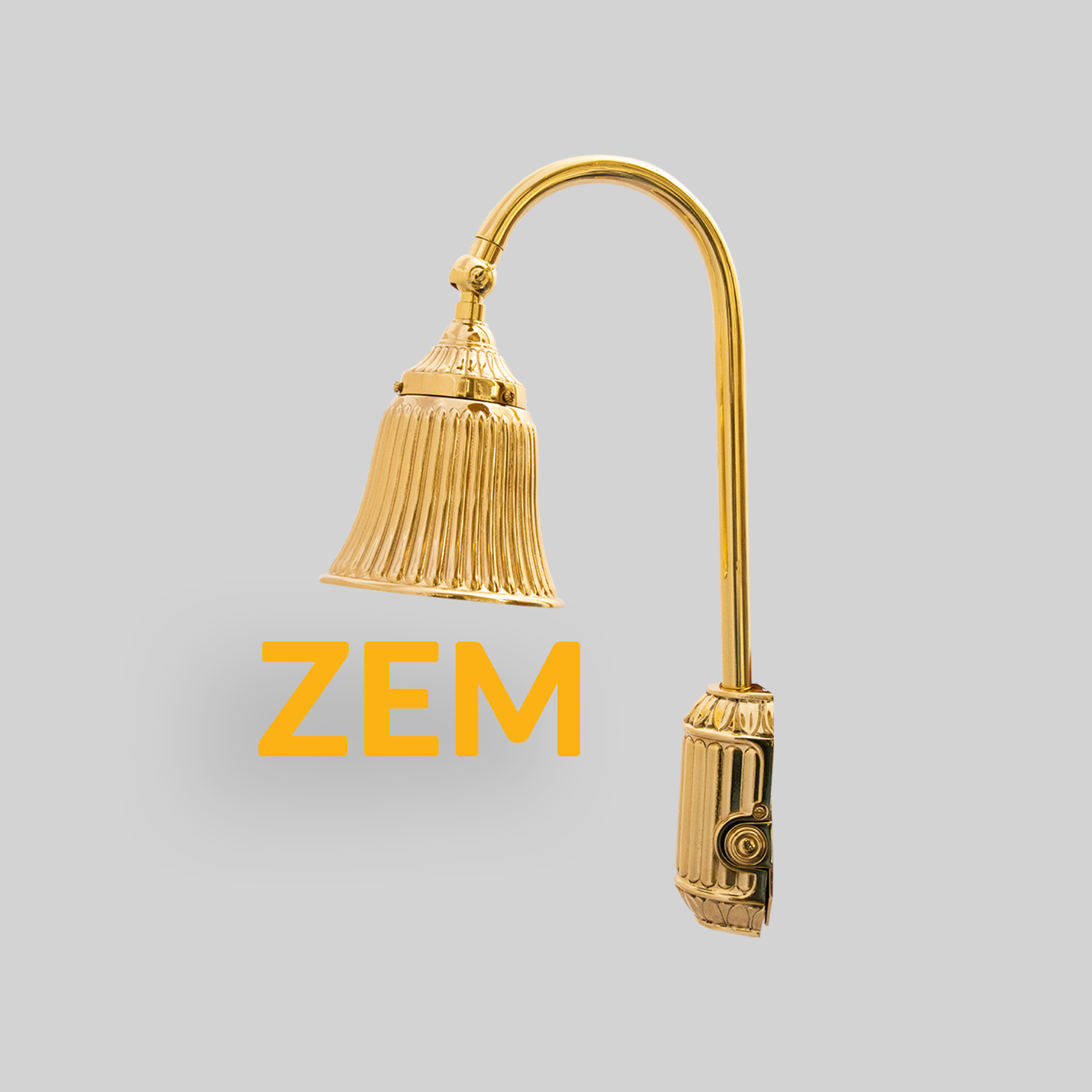
Lighting is one of the most powerful tools in hotel design — an element that not only defines the appearance of a space but also shapes the guest’s emotional experience, quality of rest, and perception of service.
Choosing the best hotel lighting is an investment in guest satisfaction, operational efficiency, and the overall brand image. When it comes to purchasing hotel lights, the right decision goes far beyond aesthetics; factors such as durability, safety, energy consumption, maintenance, and compatibility with the interior design style must also be considered.
In this article, we explore ten key features every hotel owner, interior designer, or contractor should know — along with practical tips for smart purchasing decisions.
Why Choosing the Right Hotel Lighting Matters
1. First Impressions Count
Lighting is one of the first things a guest notices upon entering a room or the lobby. Proper lighting can convey warmth and luxury — or, conversely, make the space feel cold and lifeless.
2. Direct Impact on Comfort and Sleep Quality
The color temperature and brightness of light in guest rooms directly affect circadian rhythm and sleep quality. Warm light at night and cooler light in work areas can enhance the guest’s comfort and well-being.
3. Reducing Operational Costs
Choosing energy-efficient LED lights with a long lifespan significantly lowers maintenance and replacement costs — especially in hotels with hundreds of rooms.
4. Reinforcing Brand and Design Identity
Thoughtful lighting design strengthens the hotel’s visual identity. From the lobby to the corridors, every light source contributes to a cohesive “lighting story.”
5. Safety and Functionality
In high-traffic areas like hallways and restrooms, lights with proper electrical safety ratings and high IP protection are essential.
1. Fixture Material and Durability in High-Traffic Areas
Selecting the right material for a hotel light fixture is one of the most fundamental decisions during purchase. Hotels — especially public areas like lobbies, hallways, and restaurants — experience constant traffic. Therefore, fixtures must be not only beautiful but also highly durable.
Common Materials and Their Advantages
-
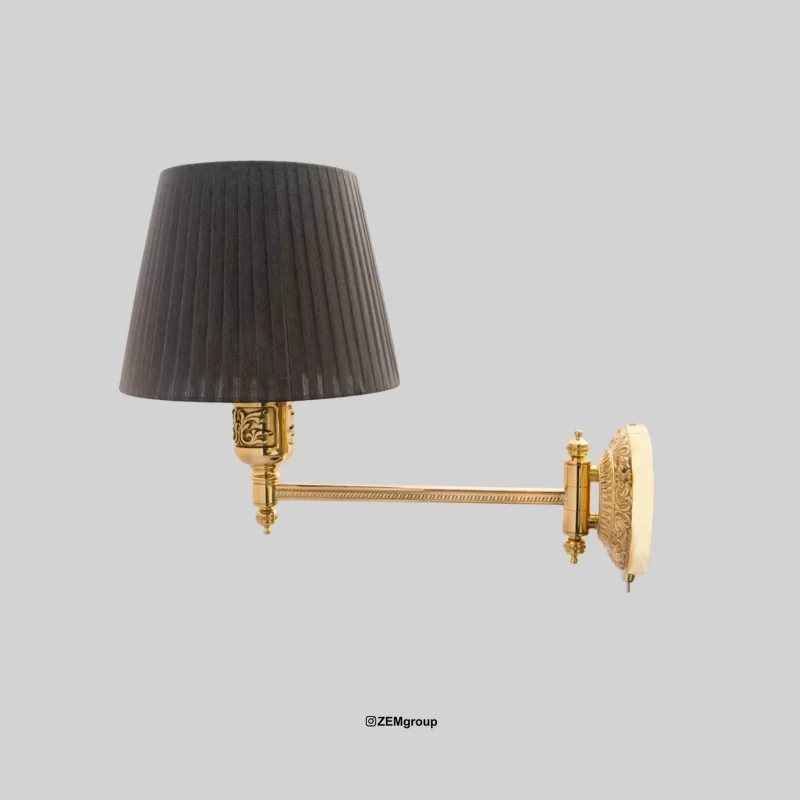
Brass: Offers a luxurious, classic look and resists corrosion; ideal for elegant and vintage interiors. Over time, brass develops a beautiful patina that adds character.
-
Aluminum: Lightweight, thermally efficient (suitable for higher-wattage fixtures), and generally more affordable than brass. With proper coatings, it has excellent longevity.
-
Glass and Crystal: Common in chandeliers and decorative fixtures. Always choose tempered or safety glass to minimize the risk of breakage injuries.
Resistance to Moisture and Environmental Conditions
For bathrooms or balconies, IP (Ingress Protection) rating is crucial:
-
IP44 is suitable for damp indoor environments.
-
IP65 is recommended for wet or outdoor areas.
Impact and Scratch Resistance
Hotels are high-traffic spaces where cleaning staff and luggage carts frequently move around. Choose fixtures with a proper IK mechanical resistance rating to withstand accidental impacts — particularly in hallways, behind doors, or near closets.
Practical Material Selection Tips
-
Luxury areas: Brass or stainless steel with glass or crystal details.
-
Service areas: Stainless steel or aluminum with protective coatings.
-
Guest rooms: A blend of soft materials (wood, fabric) and metals for warmth.
-
Always request technical datasheets detailing the material, finish, and resistance certifications.
Long-Term Cost Efficiency
A higher upfront investment in premium materials like brass often translates into lower maintenance and replacement costs over time — a critical financial advantage for medium to large hotels.
2. Harmony with the Hotel’s Interior Design Style
Hotel lighting is not just about illumination; it is an integral part of interior design and brand storytelling. Harmonizing lighting fixtures with the hotel’s design style creates unity, elegance, and a sense of luxury.
Common Design Styles in Hotels
-
Classic Style: Brass, crystal, or gold-plated fixtures with curved forms and decorative details. Crystal chandeliers and ornate wall sconces are common.
-
Modern Style: Clean lines, minimal shapes, and neutral colors (black, white, gray) made of steel or glass. Wall or ceiling fixtures with geometric designs work best.
-
Minimalist Style: Function-driven simplicity. Recessed or indirect lighting and linear lights are often used.
-
Neo-Classical Style: Combines the elegance of classic design with modern simplicity. Fixtures with polished metal and frosted glass details suit this look.
-
Industrial Style: Ideal for boutique or concept hotels. Raw materials such as iron, wire, and filament bulbs create an edgy aesthetic.
Color and Material Coordination
-
In rooms with wooden furniture or warm tones, brass or gold fixtures and warm lighting enhance coziness.
-
In modern spaces with light or metallic finishes, black or silver fixtures add contrast and sophistication.
-
In large lobbies, combining wall sconces and ceiling lights can help balance spatial proportions.
Custom Design for Unique Projects
Specialized brands like ZEMGROUP offer customized hotel lighting to match the architectural concept of each project — allowing designers to turn lighting into a distinctive design signature. For instance, a wall light with a unique lever arm or matte gold finish can perfectly align with the hotel’s furniture and wall textures.
Key Takeaways
-
Lighting should complement, not overpower, other design elements.
-
Match color temperature to wall and fabric tones.
-
Use repeating wall sconces in hallways to create rhythm and visual continuity.
-
In public spaces like cafés or lobbies, lighting can take on a more decorative role.
3. Light Quality and Appropriate Color Temperature
Even the most luxurious fixture will fail if its lighting quality is poor. Good hotel lighting should be uniform, flicker-free, and have a color temperature suited to the space’s purpose.
Understanding Color Temperature (Kelvin Scale)
-
Warm Light (2700K–3000K): Creates a cozy, relaxing atmosphere — ideal for bedrooms and suites.
-
Natural White (4000K): Balanced lighting for multifunctional areas like lobbies or hallways.
-
Cool White (5000K–6500K): Energizing and suitable for offices or meeting rooms.
Using overly cool white light in bedrooms can cause discomfort or insomnia.
Color Rendering Index (CRI)
A CRI rating above 80–90 is recommended so furniture, carpets, and artwork appear vivid and true to color.
Uniform Lighting and Shadow Control
Mixing different light sources (ceiling, wall, table lamps) ensures even illumination. Diffusers and lenses help soften shadows and prevent glare.
Dimming and Control Options
Modern hotel lights often include dimmers or smart control systems that adjust brightness according to time of day or guest preference — warm dimming at night or brighter light for reading and work.
Lighting Recommendations by Space
-
Guest Room: Warm, soft light from bedside wall lamps or table lights.
-
Lobby: A blend of warm and neutral tones for comfort and formality.
-
Hallways: Uniform, glare-free illumination for safety.
-
Restaurant: Warm, focused lighting for intimacy.
-
Bathrooms: Bright white light for visibility and hygiene.
4. Ease of Maintenance and Lamp Replacement
A key factor in hotel lighting design is ease of maintenance. Frequent repairs are costly and disruptive. Fixtures with modular designs and accessible components save time and expenses.
Modular Fixture Design
Modular lighting allows for quick replacement of components (lamp, diffuser, or housing) without discarding the entire fixture.
Easy Lamp Access
-
Wall lights should allow lamp replacement without special tools or damage to the fixture.
-
LED modules provide high efficiency and long life, reducing operational costs.
Routine Cleaning
Choose fixtures with smooth surfaces and durable coatings to simplify dusting and cleaning — especially in lobbies and corridors.
5. Trusted Brands and Recommended Models
Selecting a reputable lighting brand ensures product quality, warranty support, and long-term performance.
Key Brand Criteria
-
International certifications (CE, ISO, RoHS)
-
Proven experience in hospitality lighting
-
High-efficiency, high-CRI products
-
Customization options for design consistency
6. Uniform, Glare-Free Illumination
Proper lighting design ensures consistent brightness without dark spots or glare, creating comfort and a professional look.
Tips:
-
Use diffusers and lenses for even light distribution.
-
Combine wall and ceiling lights to eliminate harsh shadows.
-
In stairways and hallways, prioritize safety and directional lighting.
7. Electrical Safety and Standards Compliance
Hotel light fixtures must comply with electrical safety standards to minimize fire and electrocution risks. Choose fixtures from certified manufacturers and ensure correct installation by qualified electricians.
8. Ergonomic and User-Friendly Design
Hotel lights should be easy to install, operate, and adjust. Wall and ceiling lights with adjustable arms or dimming capabilities enhance guest comfort.
Tips:
-
Choose fixtures with adjustable arms or dimmers.
-
Ensure easy access for maintenance.
-
Select proper dimensions and mounting heights for each space.
9. Price and Value for Money
The best hotel light balances quality, durability, and aesthetics.
-
The upfront cost should correspond to long-term savings in maintenance and energy.
-
High-quality lights may be pricier but offer superior lifetime value.
10. Alignment with the Hotel’s Brand Experience
Every lighting element should reinforce the emotional and visual identity of the hotel — from the tone of light in the lobby to the bedside reading lamps. Consistency across spaces ensures a memorable guest experience.
Summary: The 10 Key Features of the Best Hotel Lighting
-
Fixture material and durability in high-traffic areas
-
Harmony with the hotel’s interior design style
-
Energy efficiency and lighting standards
-
Ease of maintenance and lamp replacement
-
Trusted brands and recommended models
-
Uniform, glare-free illumination
-
Electrical safety and compliance
-
Ergonomic, user-friendly design
-
Price and value for money
-
Alignment with the hotel’s brand experience
FAQs About Choosing Hotel Lighting
1. What are the main features of the best hotel lighting?
The best hotel lights combine elegant design, high durability, energy efficiency, even illumination, safety, and compatibility with the hotel’s design style. Easy maintenance and lamp replacement are also crucial.
2. What should I consider when buying hotel wall lights?
Focus on body material, IP rating (moisture protection), uniform light distribution, suitable color temperature, design harmony, and brand reliability.
3. How can hotel lighting energy consumption be managed?
Using high-efficiency LED lights, dimmable systems, and smart controls reduces energy use and maintenance costs.
4. What color temperature is best for guest rooms?
Warm light (2700–3000K) promotes relaxation. For lobbies and public areas, neutral or natural white (3500–4000K) works best.
5. How can lighting match the hotel’s design style?
First, define the overall interior style (classic, modern, minimalist, neoclassical, industrial). Then select fixtures whose color, material, and form harmonize with the furniture and finishes.
6. Why choose reputable lighting brands?
Reliable brands provide high-quality construction, warranties, international safety certifications, replaceable components, and long lifespan — ensuring a professional, luxury guest experience.
7. Why are LED hotel lights recommended?
LEDs offer low energy consumption, uniform illumination, long lifespan, and dimmability — ideal for guest rooms, corridors, and lobbies.
8. What is the purpose of hotel wall sconces?
Hotel wall sconces provide both decorative and functional lighting. They enhance the room’s ambiance and are typically installed near beds, mirrors, or along hallways.

