


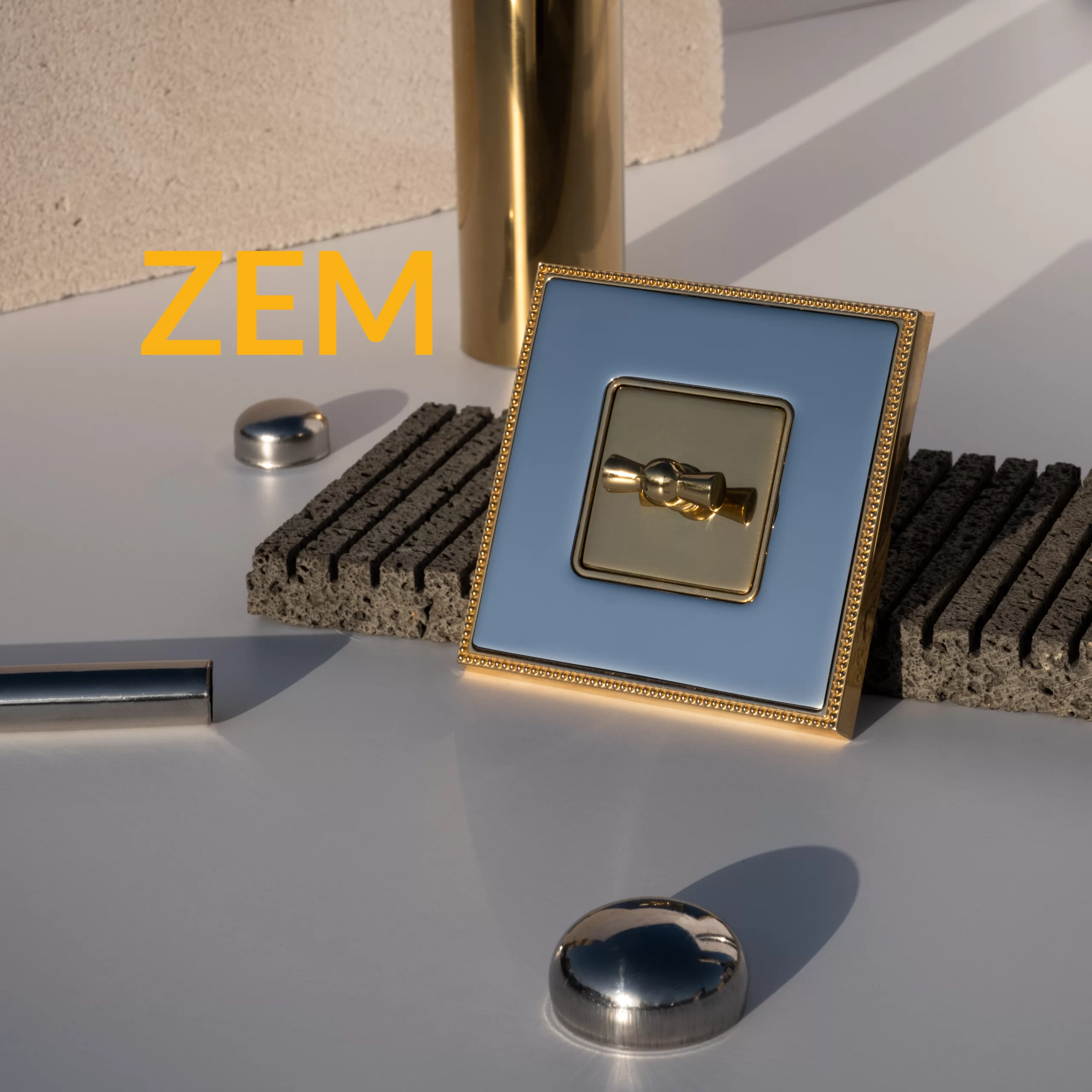
Choosing the right switches and sockets is crucial for the safety and optimal operation of electrical systems. Every electrical device requires a specific amount of current, which is supplied through switches and sockets. If a switch or socket cannot handle the required current, it can cause serious damage to appliances, wiring, and even fire hazards. Therefore, understanding the principles of selecting switches and sockets based on their ampere rating is essential.
1. Amperage and Electrical Current
Ampere (A) is the unit used to measure electrical current. Electrical current is the flow of electric charge through a circuit. Each device requires a specific current to function properly.
For example:
-
A small lamp may only need a few amperes.
-
High-power appliances like air conditioners or electric heaters require much higher current.
Choosing a switch or socket that can withstand the necessary current is vital for safety and functionality.
2. How Device Power Affects Ampere Selection
Every electrical device has a power rating measured in watts (W). To select the appropriate switch or socket, you first need to know the device’s power and then calculate the required current using the formula:
I=PVI = \frac{P}{V}I=VP
Where:
-
III = current in amperes (A)
-
PPP = power of the device in watts (W)
-
VVV = voltage of the power supply (usually 220V for household systems)
Example:
A 2200W appliance operating on a 220V supply draws:
I=2200220=10 AI = \frac{2200}{220} = 10\text{ A}I=2202200=10 A
3. Types of Switches and Sockets by Ampere Rating
Switches and sockets are categorized based on the maximum current they can safely handle. Choosing the right type ensures both optimal performance and safety.
10-Ampere Switches and Sockets
-
Suitable for: Low-power devices such as small lights, fans, and electronic gadgets.
-
Not suitable for: High-power devices like refrigerators or washing machines.
-
Risk: Using them for heavy appliances can lead to overheating and potential fire hazards.
16-Ampere Switches and Sockets
-
Most common in homes
-
Can handle medium-power devices such as refrigerators, washing machines, and dishwashers.
-
Safe for most household appliances and suitable for everyday use.
20-Ampere Switches and Sockets
-
Designed for high-power devices such as electric heaters, air conditioners, and water heaters.
-
Require proper installation and compatible wiring to handle higher current safely.
25-Ampere and Industrial Switches
-
Typically used in industrial or commercial environments with very high current requirements.
-
Rarely used in households, except for large industrial appliances or central heating systems.
4. Factors Affecting Ampere Selection
Choosing the correct ampere rating depends on multiple factors:
Device Power
The most critical factor. Calculate the required current using the device’s power and the supply voltage.
Wiring Type and Cable Capacity
Even if the socket rating is correct, the wires must be able to handle the current. Using undersized cables can cause overheating and fire.
Environmental Conditions
-
Moist areas: Bathrooms, kitchens → Use IP-rated switches and sockets (IP44 or higher)
-
Dusty areas: Workshops, garages → Use covers or IP65 protection
-
Hot areas: Near heaters or ovens → Avoid heat-sensitive materials
Type of Device
Appliances with motors (refrigerators, air conditioners) require higher inrush current at startup. This should be considered when selecting the socket.
5. Safety Tips When Using Switches and Sockets
-
Always choose switches and sockets with national or international certification.
-
Never exceed the rated current of the switch or socket.
-
Installation by a professional is crucial for safety.
-
Regular inspection can identify potential issues before accidents occur.
6. Physical Features and Quality of Switches and Sockets
-
Dimensions: Must match standard outlet boxes (usually 8.6 × 8.6 cm, depth 3.5–5 cm).
-
Body Material: Polycarbonate, thermoplastic, bakelite, or metal for durability and heat resistance.
-
Internal Mechanism: High-quality brass terminals, silver-plated contacts, and strong spring mechanisms improve conductivity and durability.
-
Frame & Cover Plate: Should match the décor, protect internal components, and prevent dust or moisture ingress.
7. Frequently Asked Questions (FAQ)
Q1: How can I calculate the ampere requirement of a device?
I=PVI = \frac{P}{V}I=VP
Where PPP is the power in watts, and VVV is the voltage (220V in most homes).
Q2: Which socket should I use for an air conditioner?
-
Recommended: 20A socket
-
Proper wiring: 2.5–4 mm² cable
-
Dedicated circuit breaker
Q3: Can I plug multiple high-power devices into one socket?
No. This can overload the socket, cause overheating, and create a fire hazard.
Q4: Which devices are suitable for 10A sockets?
-
Lamps
-
Small fans
-
Mobile chargers
-
Study lamps
Q5: Which devices are suitable for 16A sockets?
-
Refrigerators
-
Washing machines
-
Dishwashers
-
Microwaves
-
Electric kettles
Q6: Do high-ampere sockets require separate wiring?
Yes.
-
20A–25A sockets must use cables with adequate thickness (2.5–4 mm²).
-
Incorrect installation can lead to overheating and electrical hazards.
Q7: How to know if a socket is damaged and needs replacement?
-
Excessive heating
-
Yellowing or burn marks
-
Loose plug fit
-
Sparking
-
Burning smell
Conclusion
Choosing the right ampere rating for switches and sockets is crucial for safety, efficiency, and longevity of electrical systems. By considering the device’s power, wiring type, environment, device type, and using high-quality certified products, you can prevent accidents, reduce wear on appliances, and ensure reliable electricity in your home.
Remember: Safety always comes first—never compromise on quality, proper installation, or ampere rating.

