


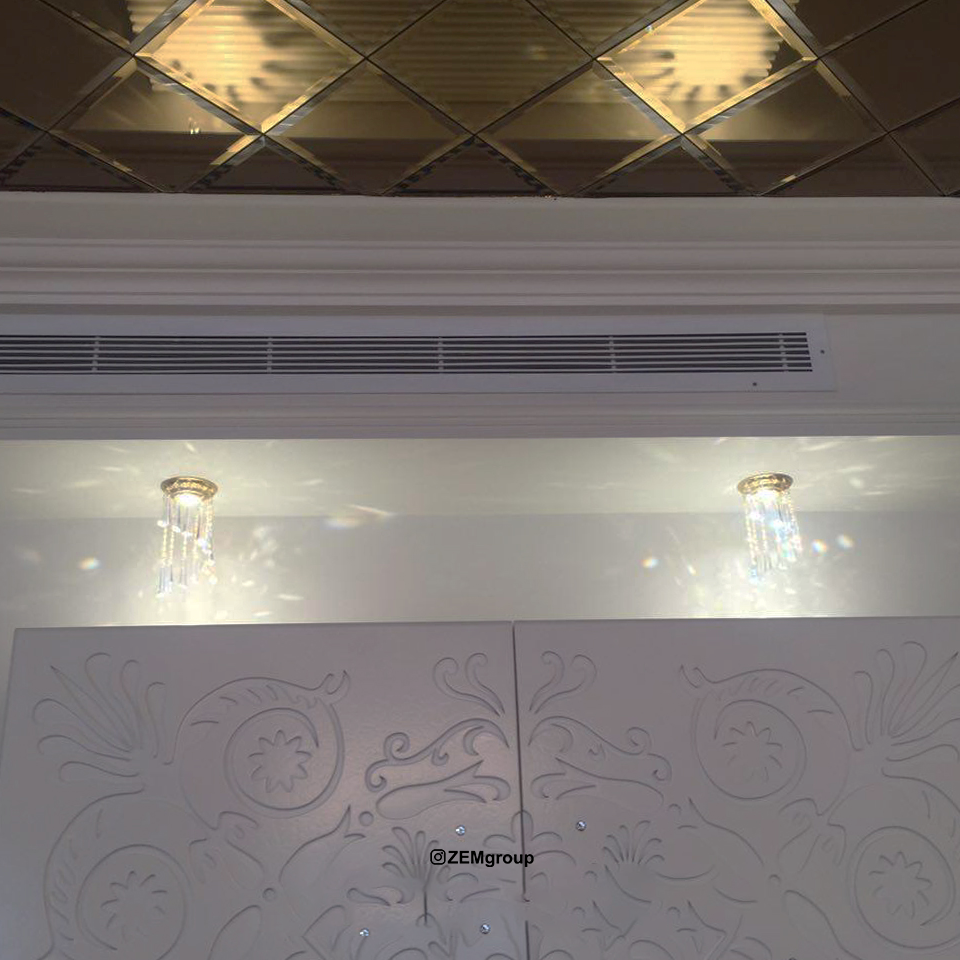
In the competitive world of hospitality, it’s the small details that create a lasting impression for guests. From choosing furniture and wall colors to designing lighting, every design decision can evoke a sense of luxury, relaxation, or even intimacy in the guest’s mind. Among these elements, hotel ceiling lights play a key role in shaping both the visual and functional experience of each hotel area. Often overlooked, they have a profound impact on how guests perceive quality and the overall appeal of the space.
Proper lighting not only highlights the architecture and interior décor but also directly affects guest comfort and satisfaction. For example, soft and warm lighting in the lobby can create a welcoming atmosphere, while focused, precise lighting in suites enhances concentration and relaxation during rest.
Hotel lighting design must balance beauty, functionality, and durability. Ceiling lights in various hotel areas must not only create aesthetic appeal but also meet different lighting needs: ambient lighting in the lobby, guiding lights in corridors, and task-oriented lighting in rooms and suites.
But the main question is:
Which type of ceiling light is best suited for each area of the hotel? Should the lobby feature classic, luxurious fixtures or modern, minimalist ones? Is brass ceiling lighting the right choice for humid spaces or tropical climates?
In this article, we take a detailed and professional look at the best hotel ceiling lights for every space—from the lobby to the suites—evaluating their features and offering practical tips for smart selection and purchase.
Ceiling Lights for the Hotel Lobby
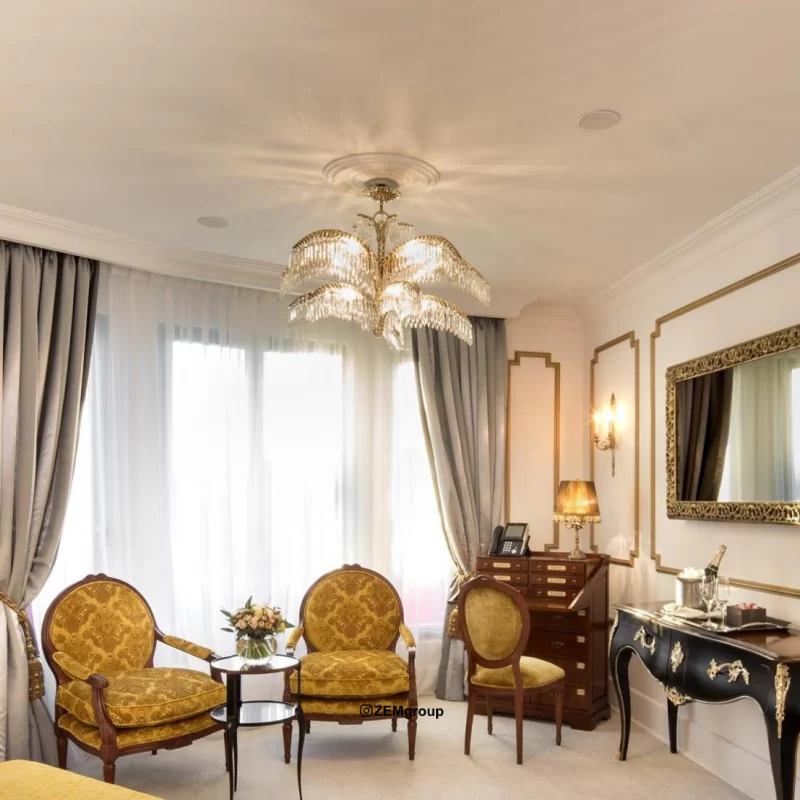
The lobby is the heartbeat of any hotel, where guests form their first impression of the space and the quality of service. This area should not only be visually striking but also convey trust, grandeur, and comfort. Hotel ceiling lights play a critical role in evoking these feelings, as proper lighting can make the space warm, inviting, and simultaneously impressive.
The choice of ceiling light for the hotel lobby depends on the interior design style and the level of luxury. In modern and minimalist hotels, modern ceiling lights with simple designs, natural light color (3000–4000K), and high brightness are commonly used. These lights are often recessed or surface-mounted, with metal bodies in neutral colors like white, black, or silver to complement the minimalist space.
Conversely, in a lobby with classic décor, decorative columns, or luxurious materials such as marble and natural wood, classic or brass ceiling lights are the best option. These models feature intricate designs with gold or bronze accents, adding a unique shine to the ceiling and creating a majestic and regal atmosphere.
Other important factors include ceiling height and lobby size:
-
In tall and spacious lobbies, combining multiple modern ceiling lights or flat chandeliers optimizes light distribution.
-
In low-ceiling lobbies, flat or LED panel lights are ideal to provide sufficient illumination without occupying space.
To further emphasize design and guest pathways, combining ceiling lights with hidden lighting can create depth and layers, enhancing both general illumination and the aesthetic experience.
Overall, lobby ceiling lights should balance beauty and function—illuminating design details while providing a pleasant guest experience.
Ceiling Lights for Corridors and Entrances
Corridors and entrances serve as connections between main hotel areas and, though seemingly simple, play a crucial role in guiding guests and creating a sense of calm and security. Lighting in these areas should be functional while aligning with the hotel’s overall décor.
In corridors, the main goal is pathway guidance and uniform lighting. Ceiling lights with wide light distribution, moderate brightness, and a warm color temperature (around 3000–4000K) are recommended. Modern recessed or surface-mounted ceiling lights are ideal because they illuminate the path evenly without creating shadows or glare.
For entrances or corridors connecting to the lobby, slightly more distinctive designs—like metal bodies in matte gold or black—can strengthen visual continuity with the lobby. Brass or classic ceiling lights are also excellent choices, especially if walls feature moldings or luxurious decorations.
Proper spacing of lights is crucial. In narrow or long corridors, widely spaced lights create dark spots. Installing lights at regular intervals with wide beam angles ensures even illumination throughout.
Many modern hotels use smart ceiling lights with motion sensors in corridors. These lights activate only when guests pass, saving energy and enhancing a modern feel.
For main entrances, slightly brighter lighting than the corridor provides a sense of security and welcome. Combining ceiling lights with wall-mounted fixtures creates visual balance.
In summary, the best corridor and entrance ceiling lights provide balanced, uniform lighting that reduces eye fatigue while enhancing order, cleanliness, and guest security—subconsciously impacting the overall hotel quality perception.
Ceiling Lights for the Restaurant and Breakfast Hall
The restaurant and breakfast area significantly influence the guest experience. This space is not only for dining but also for interaction, conversation, and daily relaxation. Lighting design should balance aesthetics, functionality, and intimacy, as lighting here contributes both to practical use and the visual identity of the restaurant.
Selecting the right ceiling light must consider space usage. Excessively white or intense lighting may feel cold and formal, while overly yellow or dim lighting can create fatigue. The best choice is warm or natural white lighting (2700–3500K) to make food and surroundings appear natural and inviting.
In modern hotels, simple, geometric, or ring-shaped modern LED ceiling lights with dimming capability are ideal. Installing them at varying heights ensures soft, diffuse lighting over tables, enhancing both functionality and ambiance.
For classic and luxurious spaces, brass or classic ceiling lights with decorative gold finishes complement wooden furniture, light-colored tablecloths, and mirrors, reinforcing a sense of elegance and tradition.
Key lighting strategies include:
-
Decorative ceiling lights for central areas with soft, even illumination.
-
Focused lighting over small or private tables to enhance intimacy.
-
Brighter, wide-angle lighting near buffet stations for practicality.
Combining ceiling lights with flat chandeliers and indirect lighting can create a uniquely immersive experience. Many modern hotels use smart color-adjustable lights to match the atmosphere at different times of day.
Ultimately, restaurant ceiling lights should provide adequate dining illumination while reinforcing the hotel’s brand identity, stimulating appetite, and creating a relaxed, high-quality ambiance.
Ceiling Lights for Hotel Rooms and Suites
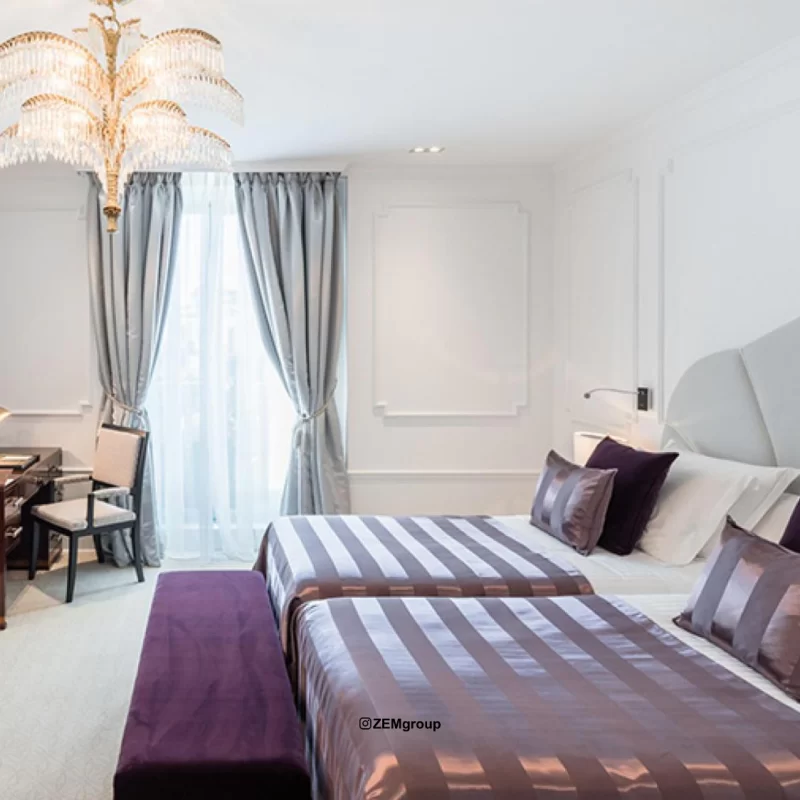
Guest rooms and suites are the most private and impactful areas of a hotel stay. Guests expect a calm, comfortable space to unwind. Lighting here is vital, as intensity, color, and type of light directly influence rest, sleep quality, and mood.
Ceiling lights for rooms should focus on visual comfort and functional intelligence. Modern hotel ceiling lights with soft, evenly distributed light are common, typically recessed or panel-mounted for a clean, calming effect. Ideal color temperature is 2700–3000K (warm white), creating a cozy, relaxing atmosphere.
Luxury hotels or premium suites often combine ceiling and indirect lighting to enhance a sense of sophistication. Dimmable lights allow guests to adjust brightness for reading or resting.
In more classic designs, brass ceiling lights with intricate gold details are popular, offering durability and a luxurious appearance alongside warm-colored décor and wooden furniture—perfect for executive suites or royal-style rooms.
Light direction is important: avoid placing sources directly in line of sight or over beds, as this causes eye strain. Central or complemented wall lighting achieves ideal balance.
Many modern hotels now adopt smart ceiling lights controllable via touch panels or mobile apps, with adjustable color, scheduling, and integration with curtains or HVAC systems—elevating the stay to a luxurious, tech-savvy experience.
In summary, room and suite ceiling lights should combine beauty, comfort, and functionality, providing sufficient illumination while fostering relaxation and a “home away from home” feeling.
Ceiling Lights for Service and Auxiliary Areas (Bathrooms, Gyms, Conference Rooms)
Though less visible, service and auxiliary spaces impact overall guest experience. Lighting here should prioritize functionality, safety, and durability.
1. Bathrooms and Restrooms:
Use moisture-resistant ceiling lights capable of withstanding steam and water. Durable brass fixtures with proper coatings offer longevity, a luxurious appearance, and warm, even illumination.
2. Gyms and Fitness Areas:
These spaces require sufficient light for safe physical activity. Ceiling lights with adjustable angles and uniform distribution minimize shadows. LED lights with moderate brightness and low energy consumption optimize efficiency and longevity.
3. Conference and Meeting Rooms:
Lights should allow brightness and angle adjustment for optimal focus. Combining primary ceiling lights with adjustable side lighting and dimmers creates flexible environments suitable for presentations, projectors, or laptops.
Choosing Between Modern, Classic, Brass, and Imported Ceiling Lights
| Light Type | Design Style | Best For | Main Advantage |
|---|---|---|---|
| Modern | Minimal, LED | Rooms, Corridors | Low energy consumption, contemporary appearance |
| Classic | Decorative, Luxurious | Lobby, Restaurant | Long-lasting luxury and elegance |
| Brass | Luxurious, Durable | Bathrooms, Lobby | High durability and distinctive shine |
| Imported | Unique, Imported | Suites | Exclusive, one-of-a-kind design |
This comparison helps hotel managers and interior designers select the best ceiling lights according to style, budget, and design goals.
Hotel Ceiling Light Buying Tips and Pricing
Ceiling light prices depend on several factors:
-
Material: Brass or crystal lights are pricier but more durable.
-
Brand and Origin: Imported products usually cost more but offer unique designs.
-
Lighting Technology: LED, dimmable, or smart capabilities increase cost.
-
Installation Type: Recessed or moisture-resistant lights are often higher-priced.
Pre-purchase considerations:
-
Check warranty and after-sales service.
-
Ensure harmony with décor and color scheme.
-
Consider room function (public, private, humid areas).
-
Choose lights balancing aesthetics, functionality, and longevity.
Selecting hotel ceiling lights is not just a technical decision—it combines beauty, performance, and guest experience. Smart choices can:
-
Enhance the guest stay experience.
-
Make the hotel space feel luxurious and lasting.
-
Reduce energy and maintenance costs.
By considering space type (lobby, room, restaurant, service area, or conference room) and hotel design style (modern, classic, luxurious), you can select suitable ceiling lights to achieve a visually appealing and practical environment.
Frequently Asked Questions (FAQ)
-
What is the best lighting for hotel room ceilings?
Warm white light between 2700–3000K is ideal for creating a relaxing and comfortable atmosphere. -
Are brass lights suitable for humid areas?
Yes, brass lights with moisture-resistant coatings are perfect for bathrooms and wet areas. -
What is the difference between modern and classic hotel ceiling lights?
Modern lights are minimalistic and energy-efficient, suited for contemporary spaces. Classic lights are decorative and luxurious, creating an elegant and grand ambiance. -
What factors affect the price of hotel ceiling lights?
Material, brand, lighting technology, dimmable features, installation type, and design style are key factors. -
Are imported ceiling lights worth buying?
Imported lights usually offer unique designs and high quality but come at higher costs. They should match the hotel décor and budget.

