



Classic Living Room Lighting with Coordinated Classic Ceiling Lights and Classic Switches & Sockets
Lighting is one of the most important elements in classic living room décor—an element that, if chosen and executed correctly, can bring depth, warmth, and authentic elegance to the space. In this idea, the focus is on using a classic ceiling light combined with matching classic switches and sockets to create a fully harmonious and cohesive design line.
1. Classic Ceiling Light: The Focal Point of the Living Room
Classic ceiling lights usually feature curved forms, delicate engravings, cut-glass details, and metal frames in gold, bronze, or brass finishes. These characteristics make the light spread softly and warmly, giving the space a luxurious and aristocratic feel.
To maximize visual impact:
-
Adjust the installation height so the light illuminates both the space and the architectural ceiling details (such as molding or paneling).
-
If you have a large living room, using several smaller classic ceiling lights instead of one big fixture can improve light distribution.
2. The Role of Lighting in Enhancing the Classic Atmosphere
The classic style is defined by symmetry, balance, and visual warmth. Therefore, the lighting should:
-
Use warm light temperatures (2700–3000K);
-
Create soft highlights and shadows;
-
Include complementary light sources such as classic table lamps or classic wall sconces to create layered lighting.
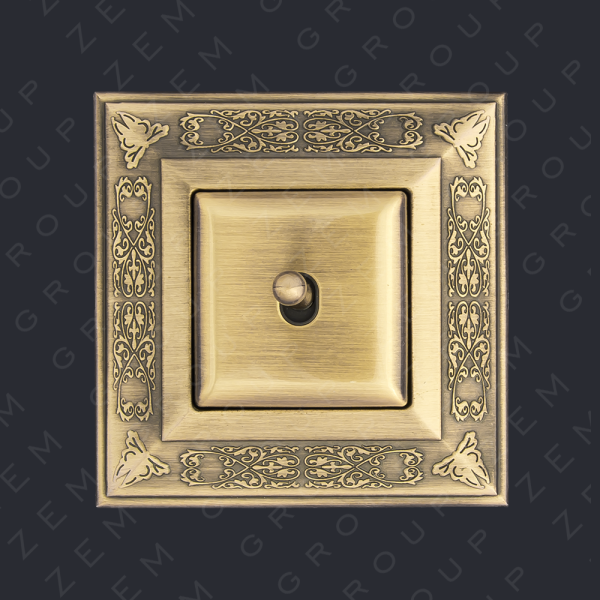
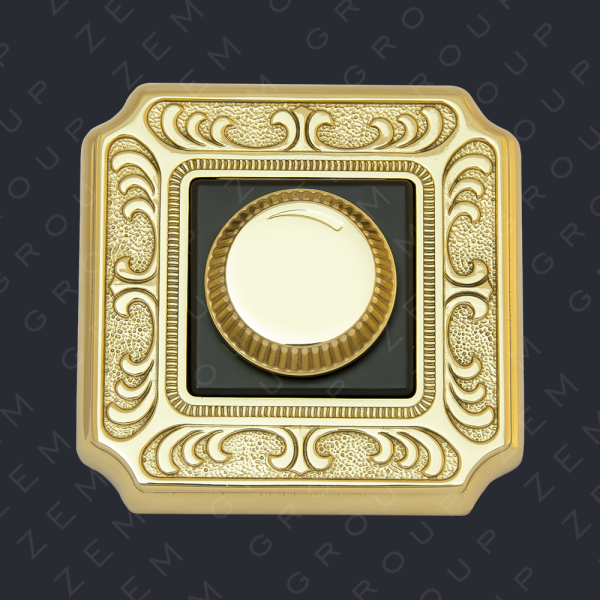
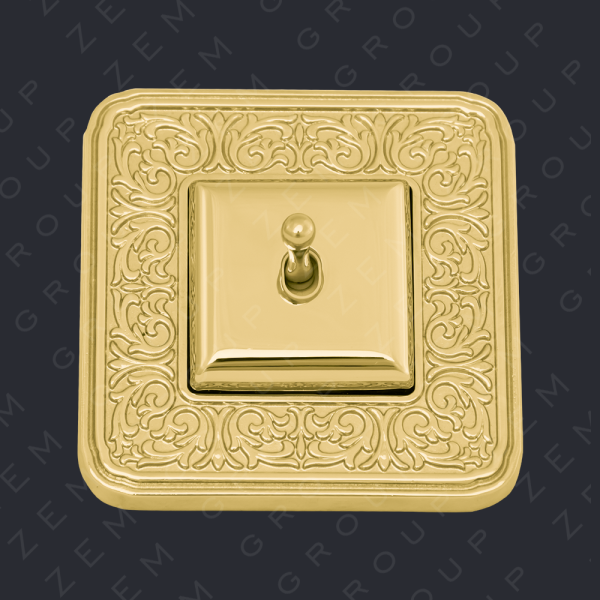
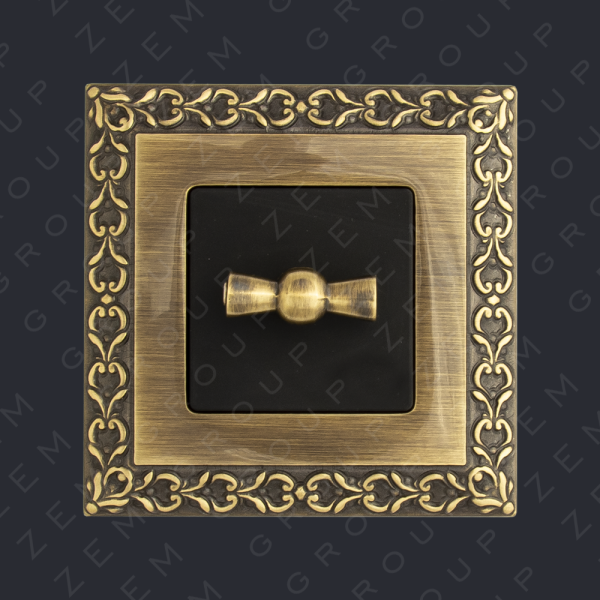
3. Choosing Classic Switches & Sockets: Small Details with Big Impact
Although switches and sockets are small in size, they play a major role in classic design because they are fully visible on the walls. Using classic switches and sockets with:
-
Metal or brass frames,
-
Lever or rotary mechanisms,
-
Antique, bronzed, or matte gold finishes
ensures perfect harmony with the classic ceiling light.
It is important that classic switches and sockets do not look modern or plastic. The best options are models inspired by old European architectural styles, ensuring visual consistency with lighting and furniture.
4. Coordinating Colors and Materials
To achieve a truly professional and unified design:
-
Match the frame and color of the switches and sockets with the body color of the ceiling light (gold with gold, bronze with bronze, etc.).
-
If you are also using classic chandeliers or wall sconces, extend this harmony throughout the space.
-
In living rooms with wooden details, classic switches and sockets with wood frames or wood-like finishes can enhance the classic vibe.
5. Using Classic Dimmers to Control Light Intensity
To create both a formal atmosphere and a relaxing evening ambience, a classic dimmer switch is the best choice. These models preserve the old-fashioned aesthetic while offering modern functionality. You can adjust the brightness based on the mood:
-
Bright light for gatherings
-
Soft light for evenings
-
Medium light for everyday use
Classic dimmers visually match lever or rotary switches perfectly.
6. The Final Result: A Truly Classic and Authentic Living Room
When a classic ceiling light is combined with classic switches and sockets and layered lighting, your living room transforms into a warm, elegant, and authentic classical space—one that conveys the essence of classic interior design without major structural changes.
2. Combining Classic Furniture with Warm Colors and Luxurious Fabrics
In classic living room décor, furniture is the “heart of the space”—the first element that catches the eye upon entering. Classic furniture usually features curved shapes, wooden carved details, and luxurious fabrics. To highlight the beauty of such furniture, warm and noble colors are ideal.
Best Fabrics for Classic Furniture:
-
Velvet (plain or patterned)
-
Jacquard with paisley motifs
-
Shiny silk fabrics
-
Damask (classic floral patterns)
These fabrics not only convey luxury but are also long-lasting. Suitable color palettes include cream, light brown, mahogany, burgundy, navy blue, and emerald green. These tones make the living room feel warm and inviting.
To complete the classic vibe, consider pairing it with a wooden coffee table topped with marble. Side tables, consoles, and classic wooden vitrines also add depth and richness to the space.
3. Symmetrical Layout Using Classic Frames and Artwork
One of the most essential design techniques in classic interiors is symmetry. Symmetry creates visual order, mental calmness, and unity. Classic picture frames and artworks are perfect tools for achieving this effect.
How to Create Proper Symmetry:
-
Choose a central focal point: the fireplace, a three-seater sofa, or a console table.
-
Install two or four artworks symmetrically around this axis.
-
Keep spacing precise to avoid visual imbalance.
Artwork Suitable for Classic Décor:
-
Renaissance-style paintings
-
Warm-toned landscapes
-
Classic portraits
-
Designs inspired by Greek or Roman architecture
-
Soft, misty artworks
Frames in gold, bronze, black leather, or dark wood greatly enhance the sophistication of the artwork. This arrangement transforms plain walls into a classic art gallery.
4. Long, Heavy, and Layered Curtains
A classic living room is incomplete without long, luxurious curtains. In this style, curtains are not merely functional—they are a major decorative feature.
A Perfect Classic Curtain Set Includes:
-
A heavy main layer (velvet, chenille, or jacquard)
-
A sheer or lace layer
-
A classic valance or pelmet (optional but very luxurious)
Velvet curtains create warmth and richness. Jacquard curtains are ideal for those who prefer a lighter space. When combined with golden or bronze tiebacks and carved curtain rods, the décor becomes dramatically more elegant.
One of the biggest advantages of long curtains is that they visually increase the height of the room. Installing curtains from ceiling to floor—even if the window is short—creates vertical visual elongation and a luxurious feel.
5. Using Classic Beveled Mirrors with Decorative Frames
Large mirrors with classic frames are among the most influential elements in a living room. They not only serve as decoration but also reflect the light from the classic ceiling light, brightening the room.
Why Classic Mirrors Are Essential:
-
They make the space appear larger.
-
They increase overall brightness.
-
They create a strong visual focal point.
-
When paired with a console, they form a striking centerpiece.
Suitable frames include gold, silver, bronze, or intricately carved wood. Beveled or full-length mirrors are excellent choices for classic living rooms.
6. Using Antique Metal Accessories and Classic Decorative Items
Finally, accessories breathe life into the classic aesthetic. Although small, they significantly influence the overall atmosphere.
Accessories That Truly Enhance a Classic Living Room:
-
Brass or bronze candlesticks
-
Small classic sculptures (angels, busts, Greek columns)
-
Antique gold or silver trays
-
Classic wall or console clocks
-
Traditional patterned porcelain vases
-
Leather-bound books for styling tables or consoles
When these accessories coordinate with the ceiling light, switches and sockets, and picture frames, they create perfect visual unity.
FAQ: Common Questions About Classic Living Room Décor
1. What type of ceiling light is best for a classic living room?
The best choice is a classic ceiling light, including branch-shaped chandeliers, brass or crystal ceiling fixtures, or models with traditional patterns. These provide both proper illumination and a luxurious aesthetic.
2. Do classic switches and sockets really affect the appearance of the living room?
Yes. Classic switches and sockets with decorative, brass, or gold-toned frames create full harmony among the room’s details. Even small elements matter in classic décor, and coordinated switches make the walls look more elegant and cohesive.
3. What colors work best for classic living room curtains?
Cream, gold, burgundy, jade green, and light brown are ideal. These colors harmonize beautifully with classic ceiling lights and furniture.
4. Is using mirrors necessary in a classic living room?
Not mandatory, but highly recommended. Classic-framed mirrors make the room appear larger, increase the brightness from the ceiling light, and create a strong focal point.
5. How can we keep a classic living room luxurious without making it look cluttered?
Focus on a few main elements: the classic ceiling light, heavy furniture, long curtains, and classic switches & sockets. Avoid too many accessories—select a few high-quality antique pieces instead.
6. What are the best colors for classic switches and sockets?
Antique colors such as matte gold, bronze, black-gold, and aged silver are excellent options. They match classic ceiling lights and picture frames, enhancing the walls’ elegance.
7. Can classic décor work in small living rooms?
Yes—with the right choices. Use smaller furniture pieces, smaller classic ceiling lights, light-colored curtains, and simpler classic switches & sockets. Avoid clutter to maintain elegance and clarity.

